

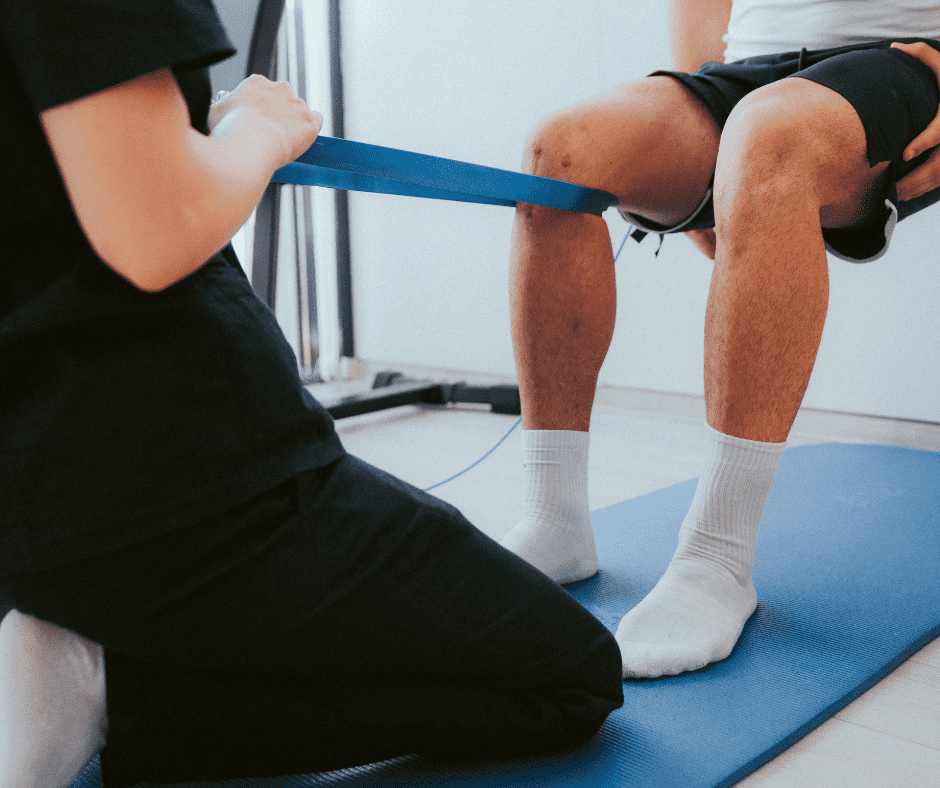
Knee pain can be a debilitating condition that affects your daily activities, necessitating effective management methods. Understanding the underlying causes and symptoms is the first step toward managing discomfort, and specific exercises help strengthen the joint. Here is more information on knee pain, its causes, and exercises that can help alleviate symptoms:
What Is Knee Pain?
Knee pain is any discomfort felt in or around the knee joint, which can originate from any of the bony structures, cartilage, ligaments, or tendons. The pain ranges from a dull ache to a sharp, intense sensation, and it is either acute or chronic. The specific location and severity of the pain vary depending on the underlying cause.
What Causes It?
Various factors can lead to knee pain, with injuries and medical conditions being common culprits. Injuries such as torn cartilage or a ruptured ligament often result from sudden movements or direct impact, while medical conditions like arthritis may cause chronic pain. Other causes include mechanical problems, such as a dislocated kneecap, and foot and hip pain that alters your gait, which places extra stress on the knee joint.
What Are the Accompanying Symptoms?
Symptoms accompanying knee pain may provide clues to its cause, and they vary in presentation. You may experience swelling and stiffness, especially in the morning or after periods of inactivity. Redness and warmth to the touch indicate inflammation. Some people experience a popping or clicking sound during movement, with instability making the knee feel like it’s going to give out.
What Exercises Provide Relief?
Performing targeted exercises may strengthen the muscles around the knee, which helps support the joint and reduce pain. Low-impact activities such as swimming or cycling are beneficial, as they minimize stress on the knee. Specific exercises like partial squats and hamstring curls can build muscle without putting excessive strain on the joint.
Stretching is also beneficial for maintaining flexibility and reducing stiffness. Quadriceps and hamstring stretches improve knee range of motion, while calf stretches help alleviate tension that contributes to discomfort. Always perform exercises with proper form, as incorrect technique can worsen your symptoms.
How Is Professional Guidance Beneficial?
Seeking professional guidance is beneficial for an accurate diagnosis and a tailored treatment plan designed to address your specific needs. A healthcare provider can determine the exact cause of your pain through a physical examination and imaging tests, and they can recommend appropriate interventions. This approach helps you receive the most effective care while avoiding activities that cause further damage.
A professional offers various treatment options to address pain. These include:
- Anti-inflammatory medications to reduce pain and swelling.
- Injections of vitamins or hyaluronic acid (HA) to lubricate the joint.
- Custom orthotic footwear inserts to correct mechanical issues.
- Casting, splinting, or bracing to stabilize the knee during healing.
Alleviate Pain Today
Managing knee pain effectively involves understanding its causes, and professional guidance is beneficial for creating an effective treatment plan. Strengthening the muscles around your knee and improving flexibility can reduce discomfort, allowing you to return to your daily activities with greater ease. If you are experiencing persistent pain, consulting a healthcare professional can provide you with a comprehensive strategy for relief.
- Planning Chiropractic Visits Around Pain, Recovery, and Daily Life
- When Should You Speak to a Casselberry Car Accident Lawyer?
- How Corporate Lawyers Help Companies Manage Risk and Compliance
- Ken Raymie: Why a Healthy Work-Life Balance Matters for Today’s Workforce
- How to Buy Antique Furniture at Auction Without Overpaying