

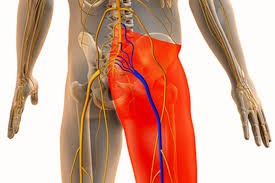
Sciatica is a condition marked by pain due to irritation or compression of the sciatic nerve, which runs from the lower back down each leg. The experience of sciatic nerve pain can range from mild discomfort to severe, radiating pain that disrupts daily activities and mobility. Learning about pain management strategies can help individuals recognize symptoms early and seek appropriate professional care.
What Is Sciatica?
Sciatica describes pain resulting from irritation or compression of the sciatic nerve. This nerve travels from the lower back through the buttocks and down the legs. This pain can range from a mild ache to sharp, severe discomfort. Sciatica typically arises from underlying conditions such as a herniated lumbar disk or spinal stenosis. Typical symptoms of sciatica include pain, numbness, tingling, or muscle weakness affecting one side of the lower body, leg, or foot. The type and intensity of symptoms depend on the location of nerve compression.
When Should You Seek Treatment?
Prompt medical evaluation for sciatica is advised if pain is severe, persistent for several weeks, worsening, or follows a significant injury. Immediate attention is required for symptoms such as sudden, severe pain with numbness or muscle weakness. Loss of bowel or bladder control or difficulty standing or walking may indicate serious nerve involvement. Health professionals use physical examinations and imaging tests to determine the cause and guide management. Accurate diagnosis is necessary to identify the cause of sciatica and to choose an effective management plan tailored to individuals.
How Is Pain Managed?
Pain management for sciatica focuses on reducing pain and restoring function. Initial strategies include at-home interventions such as cold packs, heat application, nonprescription pain relievers, and gentle movement or stretching. At-home management for sciatica may include applying cold packs to reduce inflammation during the first few days. This can then be followed by heat to help relax muscles. Nonprescription pain relievers and gentle stretching or low-impact activities, such as walking, can also be helpful for some people. Physical therapy for sciatica may include posture correction, exercises to strengthen back and core muscles, and stretches to improve flexibility. All of these are aimed at reducing pressure on the sciatic nerve and improving mobility.
Physicians may use prescription medications, such as anti-inflammatory drugs, muscle relaxants, or medicines for nerve pain. For severe cases, epidural steroid injections may be given to target inflammation around the affected nerve root and provide short-term relief. If these measures do not offer relief, healthcare professionals may recommend physical therapy, prescription medications, or injections. Treatment plans are selected based on symptom severity, underlying causes, and individual patient needs.
Seek Professional Pain Management Services
Pain management specialists have expertise in diagnosing and treating complex cases of sciatica, offering evaluation and guidance tailored to each individual. Through advanced diagnostic tools and a range of treatment modalities, including minimally invasive procedures, these professionals can address persistent or severe symptoms when more basic approaches do not provide relief. Working with a qualified pain management specialist supports optimal care and helps individuals regain comfort and mobility.
- Planning Chiropractic Visits Around Pain, Recovery, and Daily Life
- When Should You Speak to a Casselberry Car Accident Lawyer?
- How Corporate Lawyers Help Companies Manage Risk and Compliance
- Ken Raymie: Why a Healthy Work-Life Balance Matters for Today’s Workforce
- How to Buy Antique Furniture at Auction Without Overpaying