

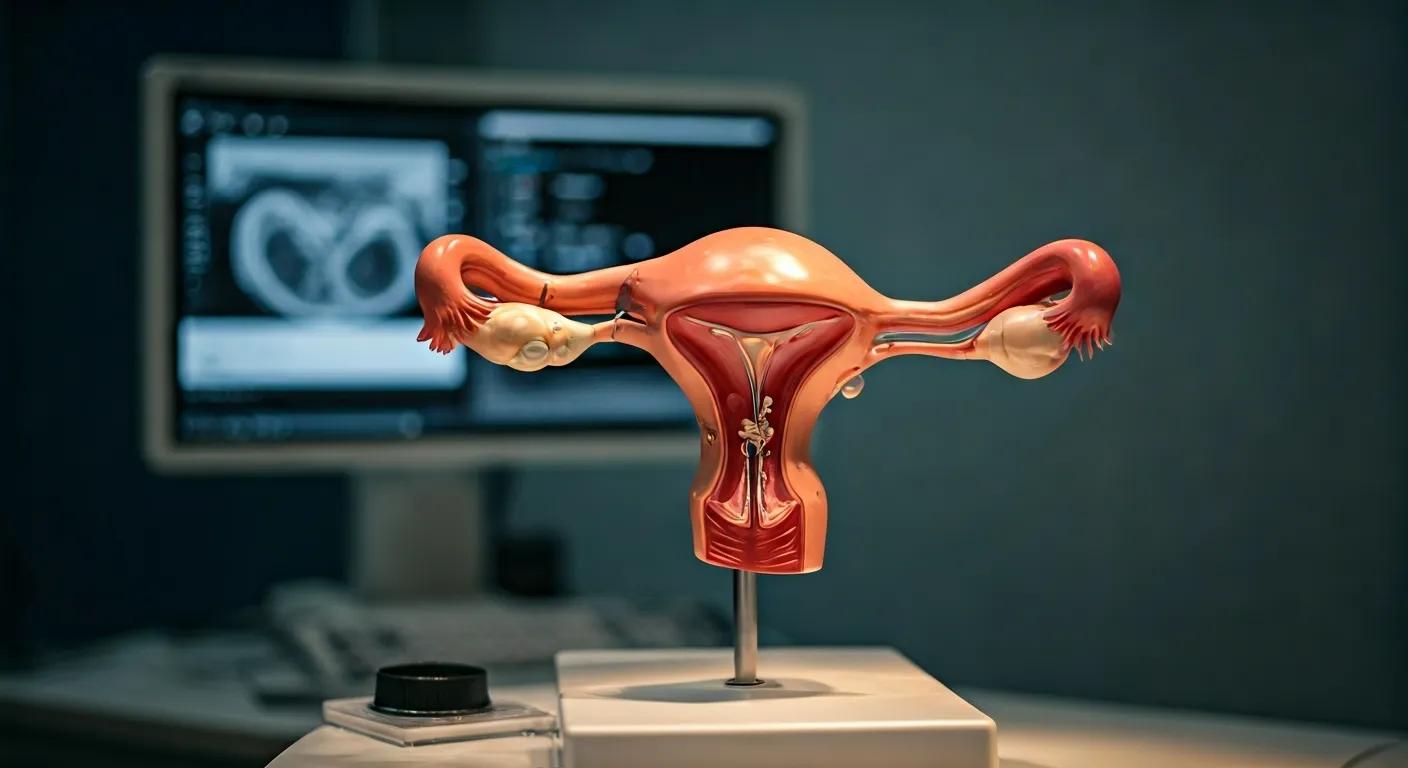
Fertility clinics provide specialized medical support for individuals and couples who face challenges when trying to conceive. While these medical facilities offer diagnostic testing and advanced reproductive technologies, they also emphasize holistic health factors that influence conception. Stress remains a significant physiological factor that requires attention during fertility treatments. Here is more information about the impact of stress on fertility:
Interfering With Pregnancies
High levels of cortisol flood the body during stressful periods, and this hormonal shift potentially interferes with early pregnancy development. The body prioritizes survival over reproduction when it perceives a threat or excessive strain. Implantation may fail if the uterine environment is not optimal. This biological response serves a protective evolutionary purpose, but it frustrates those who actively seek pregnancy.
Lowering Chances
Chronic anxiety may create a persistent state of alertness that depletes the body’s energy reserves. Due to the physical toll of mental strain, the reproductive system relies heavily on extra energy to function correctly. Conception rates may drop when the body redirects resources to manage ongoing stress responses.
A partner’s stress levels matter just as much as the individual carrying the pregnancy. Male fertility suffers when stress impacts sperm count and motility, which could reduce the likelihood of successful fertilization. Both partners must manage their mental well-being to maximize their collective fertility potential.
Lifestyle choices can also impact your health. Individuals might skip meals, lose sleep, or neglect exercise, and these habits further compound fertility issues. Healthy habits support reproductive health, while poor choices stemming from anxiety create additional barriers to conception.
Affecting Timing
The menstrual cycle relies on a delicate balance of hormones that stress easily disrupts. Ovulation may occur late or not at all if the brain stops sending the necessary signals to the ovaries. This irregularity makes tracking fertile windows difficult for couples trying to time intercourse effectively.
Predictability is key when attempting to conceive naturally or through assisted methods at a fertility clinic. You cannot easily plan for procedures like intrauterine insemination when cycles fluctuate wildly. Medical teams may recommend stress-reduction techniques because consistent cycles help improve the accuracy of fertility treatments. Maintaining open communication with healthcare providers is helpful to create strategies that address individual needs and optimize fertility outcomes.
Disrupting Functions
The reproductive system may function better when the body remains in a state of relative calm and balance. Stress affects several mechanisms necessary for reproduction. It may lead to these conditions:
- Reduced libido and sexual drive
- Imbalanced hormone production
- Decreased blood flow to reproductive organs
The autonomic nervous system may shift blood flow away from the reproductive organs during high-stress moments. This effect can limit the oxygen and nutrients available to the uterus and ovaries.
Find a Fertility Clinic
Understanding the link between stress and fertility enables patients to take control of their reproductive process and navigate unexpected changes. Many clinics now incorporate counseling and wellness programs because mental health plays a substantial role in physical outcomes. Contact a local fertility clinic today to schedule a consultation and discuss your options.
- Fort Lauderdale, Florida Property Cleanout Guide: How to Plan a Smooth Clear-Out
- Enhancing Your Backyard with an Outdoor Shower Installation
- How West Odessa, Texas Homeowners Can Plan a Remodel for Heat, Wind, and Everyday Life
- How to Maintain and Restore Your Teak Outdoor Furniture
- 8 Best Furnace Installation Companies In Toronto