

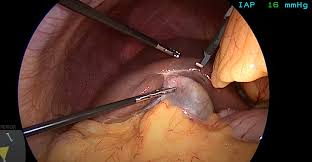
Laparoscopic gallbladder removal, also known as a cholecystectomy, is a common and minimally invasive procedure used to treat certain gallbladder conditions. This approach involves small incisions and specialized instruments, which often leads to a quicker recovery compared to traditional open surgery. Gaining knowledge about the details of the surgical procedure can provide clarity for patients and their families.
What Is the Gallbladder?
The gallbladder is a small, pear-shaped organ located in the upper right quadrant of the abdomen, situated just beneath the liver. Its primary function is to store and concentrate bile, a digestive fluid produced by the liver. Bile helps the body break down fatty foods in the small intestine.
When you eat a meal containing fats, the gallbladder releases bile through a series of small tubes called bile ducts. These ducts transport the bile from the gallbladder into the small intestine, where it aids in digestion. The gallbladder is not necessary for survival. After its removal, bile flows directly from the liver into the small intestine.
What Conditions Affect It?
Several conditions can impair the function of the gallbladder and cause significant discomfort. The most prevalent issue is the formation of gallstones, which are hard, pebble-like deposits that can develop inside the gallbladder. Gallstones can range in size from as small as a grain of sand to as large as a golf ball. While many people with gallstones experience no symptoms, a stone can block the flow of bile out of the gallbladder. This blockage can lead to inflammation, a condition known as cholecystitis, which may cause severe pain, fever, and nausea. Other complications related to gallstones include inflammation of the bile duct or pancreas.
When Is Gallbladder Removal Necessary?
A surgeon may recommend gallbladder removal when a patient experiences symptoms from gallstones or other gallbladder-related conditions. The most common indication for a cholecystectomy is symptomatic gallstones that cause recurrent episodes of pain. Surgery is also a standard treatment for cholecystitis (gallbladder inflammation) to prevent further complications. The decision to proceed with surgery is made based on a patient’s symptoms, medical history, and the results of diagnostic tests like ultrasounds or other imaging studies.
What Does the Procedure Entail?
Laparoscopic cholecystectomy is performed under general anesthesia. The surgeon begins by making several small incisions in the abdomen. Next, a laparoscope is inserted through another incision. The camera transmits images from inside the abdomen to a video monitor in the operating room. The surgeon watches the monitor while using specialized surgical instruments inserted through the other small incisions to carefully detach the gallbladder from the liver and bile ducts. Once freed, the gallbladder is removed through one of the incisions. The incisions are closed with stitches or surgical tape.
Confer With a Surgeon
Discussing your specific health situation with a qualified surgeon is the appropriate next step if you are experiencing symptoms related to your gallbladder. A surgeon can provide a thorough evaluation, review your diagnostic tests, and explain the potential benefits and risks associated with gallbladder removal surgery. This conversation will allow you to ask questions and receive personalized information regarding your condition and the recommended course of action. A medical professional can offer guidance on preparing for the procedure and what to expect during recovery.
- Planning Chiropractic Visits Around Pain, Recovery, and Daily Life
- When Should You Speak to a Casselberry Car Accident Lawyer?
- How Corporate Lawyers Help Companies Manage Risk and Compliance
- Ken Raymie: Why a Healthy Work-Life Balance Matters for Today’s Workforce
- How to Buy Antique Furniture at Auction Without Overpaying