

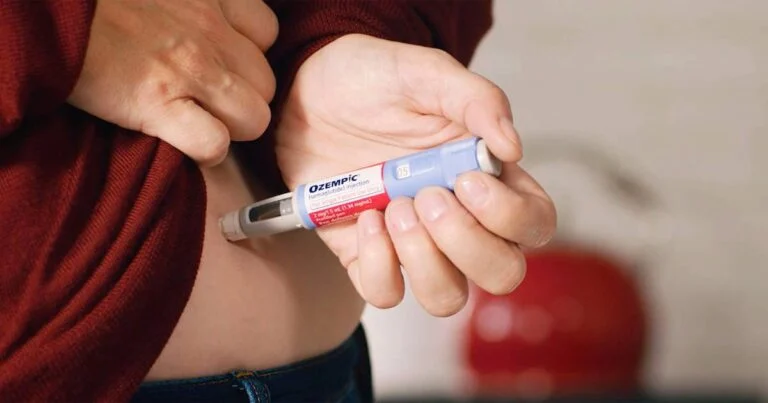
Weight management is a complex medical field that sometimes requires intervention beyond diet and exercise alone. Tirzepatide is a pharmaceutical option used for chronic weight management. It functions through specific physiological mechanisms to regulate appetite and metabolic processes. Here is more information on this medication, how it works, what the process involves, and the benefits:
What Is Tirzepatide?
Tirzepatide is an injectable prescription medicine used for chronic weight management in adults with obesity or overweight who also have weight-related medical problems. It belongs to a class of drugs that mimic hormones naturally produced in the body. These hormones signal fullness and regulate blood sugar levels after meals.
The medication is unique because it acts on two different receptors simultaneously. It targets both the gastric inhibitory polypeptide (GIP) and glucagon-like peptide-1 (GLP-1) receptors. This dual-action approach distinguishes it from other medications that only target the GLP-1 receptor.
Physicians prescribe this treatment as an adjunct to a reduced-calorie diet and increased physical activity. It is not intended as a standalone solution but as part of a comprehensive weight management plan. Specific formulations of Tirzepatide are approved for the treatment of type 2 diabetes and chronic weight management.
How Does It Work?
The mechanism of action involves mimicking the hormones GIP and GLP-1. These hormones are released from the intestine after eating and play a key role in how the body handles sugar and fat. By activating these receptors, the medication enhances the body’s natural response to food intake.
One primary effect is the delay of gastric emptying, which means food remains in the stomach longer, contributing to a prolonged feeling of fullness after eating. Patients may experience reduced appetite, and their overall calorie intake is decreased. The drug also influences the brain’s appetite centers. It signals satiety, reducing hunger cravings and the urge to overeat.
What Does the Process Involve?
Initiating treatment with Tirzepatide begins with a thorough medical consultation, during which a healthcare provider evaluates the patient’s medical history, current health status, and weight loss goals. This assessment determines if the patient is a suitable candidate for the medication. The administration involves a once-weekly subcutaneous injection. Patients typically start on a low dose to allow their body to adjust to the medication, and the dosage is gradually increased until a maintenance dose is reached.
What Are the Benefits?
The primary benefit is significant weight reduction. Patients using Tirzepatide may achieve greater weight loss than individuals who change their diet and exercise habits alone. This reduction in body weight contributes to improvements in obesity-related health markers.
Metabolic health may show improvement alongside weight loss, as patients observe better regulation of blood sugar levels and improved insulin sensitivity. These changes are beneficial for individuals who have pre-diabetes or metabolic syndrome. Cardiovascular risk factors may also improve during treatment. These systemic benefits support overall long-term health beyond just reducing body mass.
Consult a Specialist Today
Medical supervision is required to determine if this treatment aligns with your specific health needs. A qualified healthcare professional will provide a comprehensive evaluation and discuss expected outcomes. They will guide you through the process of obtaining a prescription and managing the medication effectively. Contact a healthcare provider to discuss your options and develop a tailored plan for your weight loss journey.
- Planning Chiropractic Visits Around Pain, Recovery, and Daily Life
- When Should You Speak to a Casselberry Car Accident Lawyer?
- How Corporate Lawyers Help Companies Manage Risk and Compliance
- Ken Raymie: Why a Healthy Work-Life Balance Matters for Today’s Workforce
- How to Buy Antique Furniture at Auction Without Overpaying