

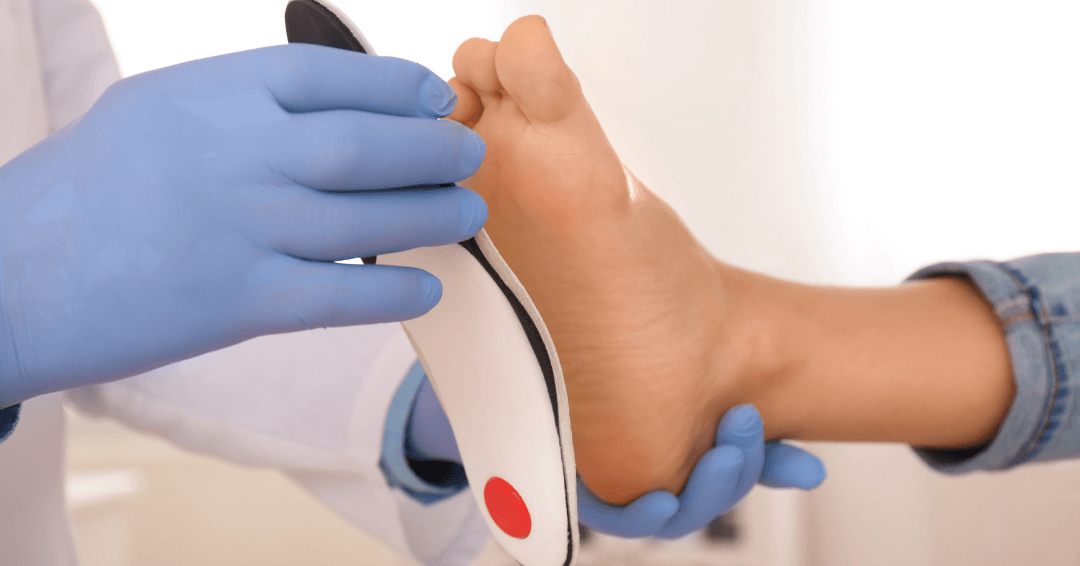
Foot doctors possess specialized knowledge of the complex structures of your feet and ankles, and they treat a variety of issues. Since you rely on your feet every day, experiencing pain or discomfort can disrupt your daily routine. Podiatrists diagnose and treat a range of conditions, from minor skin issues to severe structural deformities. Here is more information about choosing the proper foot doctor:
Determine Foot Concerns
Identify the specific problems affecting your feet or ankles before searching for a provider. Some doctors focus on sports injuries, while others specialize in diabetic foot care or pediatric conditions. If you understand your symptoms clearly, you can narrow down your search for the most appropriate specialist effectively. Your condition might require a surgeon, or it might need a doctor who focuses on conservative management.
Pain manifests in different ways, and observing these patterns helps you communicate better during your appointment. You might notice sharp pain in the morning, or perhaps you experience dull aches after standing all day. By recording these details, you can help the doctor more accurately understand the root cause of your discomfort.
Typical foot conditions include:
- Plantar fasciitis
- Bunions
- Ingrown toenails
- Heel spurs
- Arthritis
Evaluate Range of Services
A comprehensive clinic offers diagnostic tools and treatment options that address various stages of foot conditions. Find a facility that offers on-site X-rays or ultrasounds, as this may speed up your care. Doctors who provide orthotics, physical therapy, and surgical options give you comprehensive care.
Before your visit, ask about the specific technologies available at the clinic during your initial research phase. Advanced equipment may lead to less invasive treatments, and it supports faster recovery times for many patients. A clinic that invests in modern diagnostic tools demonstrates a commitment to precise and effective patient care.
Look for Laser Treatments
Many modern podiatry practices now utilize laser technology to address fungal infections and manage chronic pain effectively. These treatments offer a non-invasive alternative to oral medications, which sometimes carry unwanted side effects for certain patients. If you suffer from stubborn toenail fungus, laser therapy targets the infection directly without harming surrounding tissue.
Prioritize Personalized Care
An ideal foot doctor listens to your concerns, and they build a treatment plan around your lifestyle. If you enjoy running marathons, your treatment goals differ vastly from those of someone who wants to walk without pain. The doctor must understand these nuances to provide advice that actually works for you.
Communication style is significant when selecting a medical partner for your long-term health plan. You need a doctor who explains complex medical terms in plain language you can easily understand. When you leave the office visit, you can understand your next steps and your home care routine. A supportive provider enables you to begin your recovery process with clear instructions.
Transparency also plays a role in how personalized and accessible your care feels. Before your visit, you need to know upfront about practicalities and risks for procedures or devices. The office staff should help you navigate these details so you focus entirely on healing.
Visit a Foot Doctor
Taking the first step toward relief requires scheduling a consultation with a qualified foot specialist. You do not have to live with foot pain, and professional help is available. Once you find a doctor who meets your criteria, you begin the path toward better mobility. Contact a local podiatrist today to discuss your symptoms and start treatment.
- Ensuring Flawless Audio with Professional Event DJ Services
- 6 Best AI Recruiting Platforms And Applicant Tracking Systems
- 6 Best Walk-In Tub Installers In Sacramento And The Bay Area
- Understanding the Benefits of Hormone Optimization Therapy
- Fort Lauderdale, Florida Property Cleanout Guide: How to Plan a Smooth Clear-Out