

Navigating the landscape of weight management options often feels overwhelming due to the sheer volume of information available. Many individuals seek medical interventions when diet and exercise alone do not yield the desired outcomes. One medication that has gained significant attention in recent years is semaglutide. Originally developed for type 2 diabetes, this medication has shown promise in helping individuals manage their weight effectively. Understanding how it functions and what to expect can help you make informed decisions about your health.
What Is Semaglutide?
Semaglutide is a type of medication called a glucagon-like peptide-1 (GLP-1) receptor agonist. It works by mimicking a natural hormone that your body releases after you eat, helping to regulate your blood sugar and appetite. This process helps you feel less hungry by interacting with parts of your brain that control fullness.
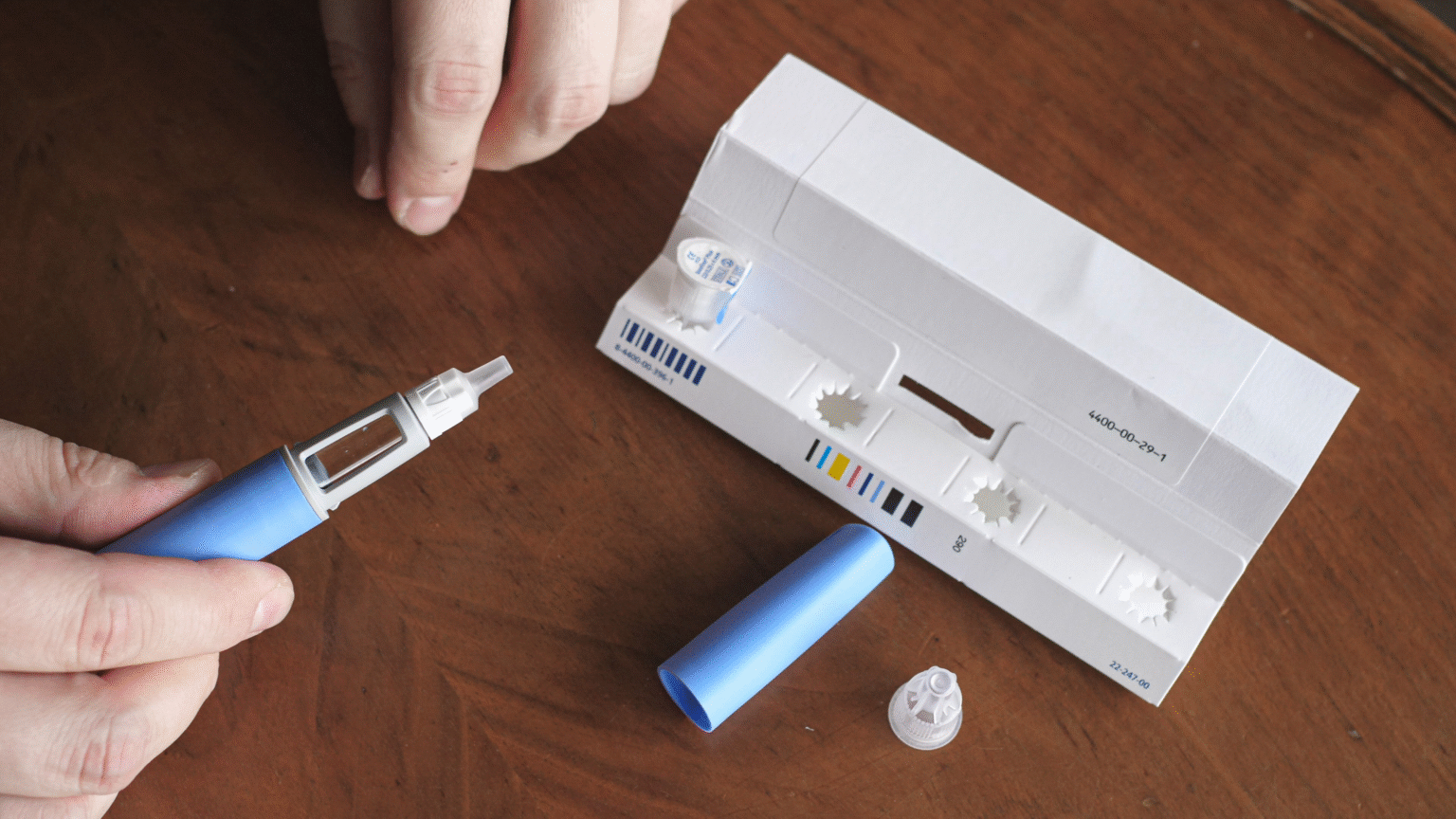
Doctors typically prescribe semaglutide as a once-weekly injection, with specific versions approved for long-term weight management. You will usually begin with a small dose that increases over time, which helps your body get used to the medication and reduces side effects. Working with your doctor is key to finding the right dosage for your needs.
How Does It Work?
Semaglutide helps with weight loss by affecting your body in a few key ways. It works by making you feel full, reducing hunger signals in your brain, and keeping your blood sugar steady. Here’s a breakdown of how it works:
- Slows down digestion: The medication keeps food in your stomach longer after you eat. This helps you feel fuller for a longer period, so you’re satisfied with smaller meals.
- Reduces hunger and cravings: Semaglutide acts on the part of your brain that controls your appetite. It lowers hunger signals, which means you may think about food less often and have fewer cravings for high-calorie foods.
- Balances blood sugar: It helps your pancreas release insulin when your blood sugar is high and reduces the release of glucagon, a hormone that raises blood sugar. This keeps your energy levels stable, preventing the crashes that can lead to overeating.
By combining these actions, semaglutide helps you manage your appetite and reduce your calorie intake without feeling constantly hungry.
What Results Are Expected?
Clinical trials have demonstrated significant weight loss outcomes for individuals using semaglutide alongside lifestyle modifications. Participants in these studies often achieved a reduction in body weight that surpassed results seen with placebo groups. It is worth noting that individual results vary based on adherence to the treatment plan and lifestyle factors.
The potential benefits observed during treatment often include:
- Substantial reduction in body weight
- Improved waist circumference measurements
- Better control of blood sugar levels
- Reduced feelings of hunger
- Enhanced physical mobility due to weight loss
Sustaining these results requires a commitment to long-term lifestyle changes, including a balanced diet and regular physical activity. The medication acts as a tool to facilitate these changes rather than a standalone cure. Most healthcare providers recommend continuing the medication as long as it remains tolerated and effective. Stopping the medication often leads to weight regain if healthy habits are not firmly established.
Consult a Specialist
To determine if this treatment is right for you, speak with a healthcare provider for a professional evaluation. They will review your medical history and discuss potential side effects, like nausea or gastrointestinal discomfort, to create a personalized plan. Your provider will offer the support and monitoring needed to navigate this process safely and effectively. Reach out to a medical professional to discuss your options and see if semaglutide is the right fit for your health goals.
- How to Compare Non-Surgical Skin Tightening Options
- Exploring Next-Generation Wellness Trends: A Beginner’s Guide to Advanced Health Peptides
- Comprehensive Approaches to Mental Health and Behavioral Support
- Accessible Home Modifications for Seniors and Handicapped Individuals
- 6 Bathroom Renovation Resources Spokane Homeowners Can Use for Safer, Easier-Care Spaces