

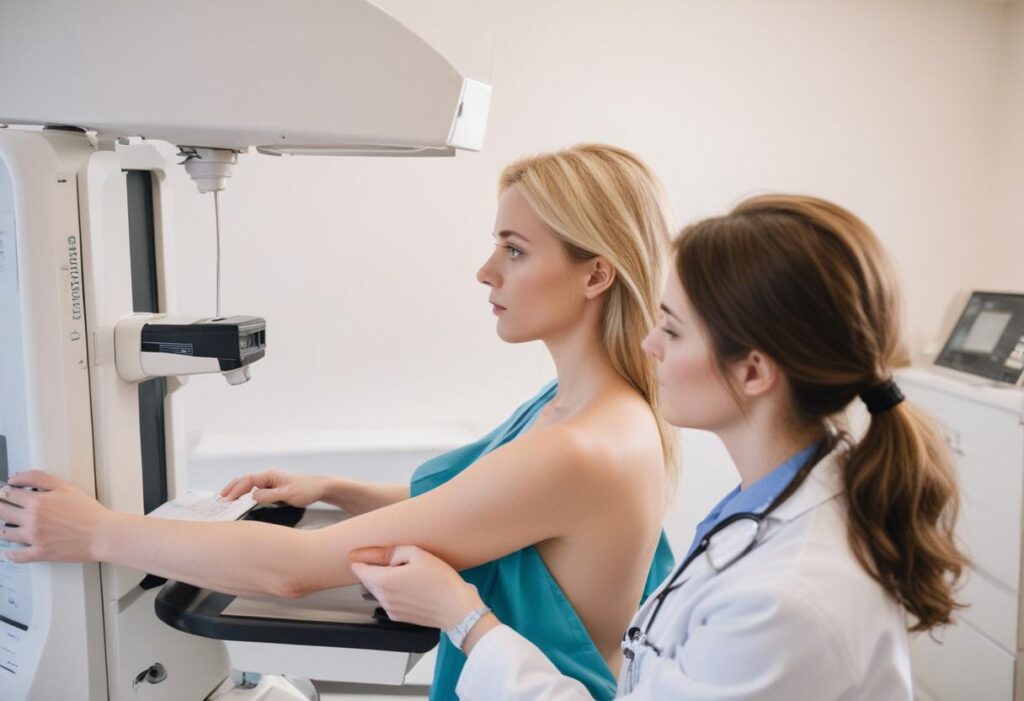
A mammogram is a specialized medical imaging technique that uses low-dose X-rays, and healthcare providers use it to look at breast tissue for early signs of breast cancer. For many women, this screening tool is a key part of routine health care. Here is more information about the role of regular mammograms for women’s health:
Detecting Breast Cancer Early
Regular mammograms are designed to find breast abnormalities, and they detect changes that might be too small for you or your doctor to feel. Because a mammogram can detect small clusters of calcium or tiny masses, it is a valuable tool for early detection. The goal is to identify potential concerns before they advance.
Early detection may significantly increase the chances of successful treatment. This is why medical professionals recommend regular screenings, and they are part of standard preventive health measures. While some may worry about the discomfort from mammograms, the benefits of identifying potential issues early far outweigh these concerns.
Improving Outcomes
Finding breast cancer at an early stage may lead to better health outcomes. Early-stage cancers are typically confined to the breast, and they have not spread to other parts of the body. When cancer is located, it may be easier to manage with treatment.
Treatment for early-stage breast cancer is typically less aggressive. The focus remains on removing the cancerous tissue while preserving as much healthy tissue as possible. When cancer is detected before it has grown or spread, the prognosis generally improves, and the path forward becomes clearer.
Managing health proactively involves staying informed about available screenings. A regular screening schedule, as recommended by a healthcare provider, provides a consistent way to monitor breast health over time. This consistent monitoring helps establish a baseline, making it easier to spot any changes that may occur.
Enabling More Treatment Options
Early detection through a mammogram might expand the range of available treatment plans. When a tumor is small and has not spread, more treatment choices are typically available to you and your healthcare team. This allows for a more personalized approach to care.
Options could include:
- Lumpectomy
- Radiation therapy
- Hormone therapy
The ability to choose a less invasive treatment is one potential result of early detection. This gives you more control over your healthcare decisions, while you work with your doctor to find the ideal path for your specific situation.
Minimizing Surgery Needs
Finding breast cancer when it is small may reduce the need for extensive surgery. A lumpectomy, which removes only the tumor and a small margin of surrounding tissue, might be an option instead of a mastectomy. A mastectomy is the removal of the entire breast. Smaller tumors require less invasive procedures. This approach helps preserve more of the natural breast tissue, which can be a positive outcome for many women.
Schedule a Mammogram Today
Taking charge of your health includes scheduling regular screenings. A mammogram is a straightforward procedure that gives a detailed view of your breast health. While the process itself is quick, the information it provides is valuable for long-term wellness. Talk to your healthcare provider to determine the right screening schedule for you and book your appointment.
- 6 Bathroom Renovation Resources Spokane Homeowners Can Use for Safer, Easier-Care Spaces
- How R&D Center Helps People Find Personalized Drug Treatment in Philadelphia, Pennsylvania
- How Play Builds School Readiness for Preschoolers in Greensboro, North Carolina
- How to Choose the Right Way to Sell a House in Fayetteville, North Carolina
- Navigating Mental Health Resources and Therapy Options