

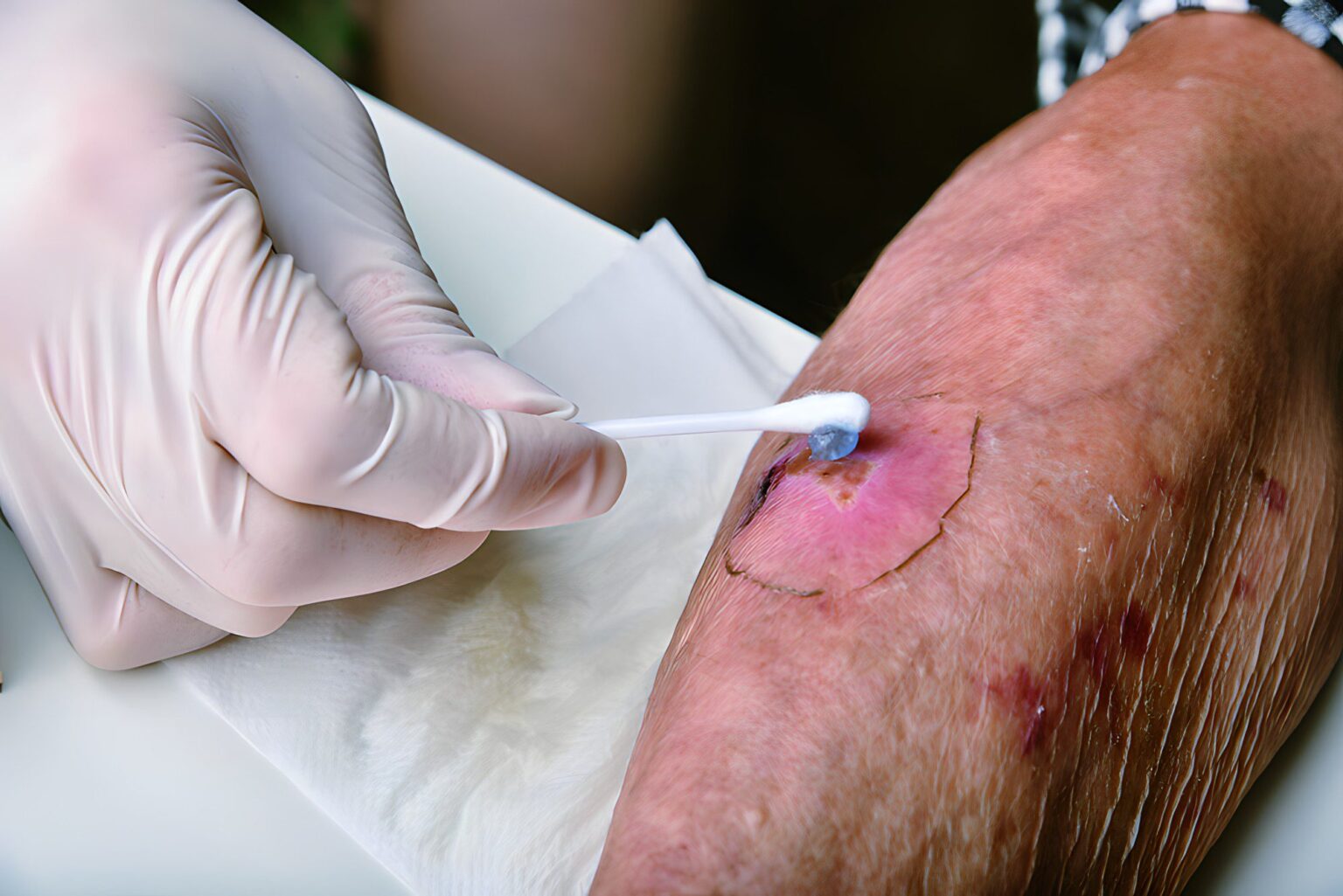
Proper wound care following a surgical procedure directly influences recovery outcomes. Managing the incision site correctly helps reduce the risk of infection, delayed healing, or excessive scarring. An informed approach to post-operative care supports the body’s natural healing processes and facilitates a smoother return to daily activities.
What Is Wound Care?
Wound care encompasses the management of a surgical incision to promote healing and prevent complications. The process involves more than applying a bandage. It includes keeping the site clean, monitoring for signs of infection, and protecting the new tissue as it repairs itself. Surgical wounds are often closed with sutures, staples, or medical adhesives, a method known as healing by primary intention. In these cases, the skin edges are brought together to heal. Other wounds may be left open to heal from the base upwards. For most routine surgeries with primary intention, care focuses on maintaining closure and preventing bacterial entry until the skin has regained its strength.
What Are Some Best Practices?
While your surgeon will provide specific instructions tailored to your procedure, several universal best practices apply to most post-operative recovery plans. Dressings act as a protective shield for the incision. Changing them according to your provider’s schedule helps prevent fluid buildup and bacterial growth. If a dressing sticks, moistening it with a small amount of saline solution can help it release without disrupting the new tissue underneath.
Monitor for Signs of Infection
Daily inspection of the incision is a key part of self-care. Look for increasing redness, swelling, warmth, or the presence of pus-like drainage. A fever is also a signal to contact your provider. Some mild swelling and redness are normal parts of the initial healing process, but symptoms that worsen over time require attention.
Manage Activity Levels
Adhering to activity restrictions is necessary to prevent the incision from reopening. Avoid strenuous exercise, heavy lifting, and any movements that place stress on the surgical site until your surgeon clears you. Even when the surface appears healed, the underlying tissues are still fragile and need time to gain strength.
Optimize Nutrition and Hydration
The body requires specific nutrients to rebuild tissue. A diet containing protein and vitamins like Vitamin C supports healthy healing. Staying well-hydrated may also be beneficial.
What Should You Expect?
The healing process follows a general timeline, though it varies for each person and surgery. In the beginning, you will likely notice some pain, swelling, and bruising as the body enters the inflammatory phase. Over the next few weeks, new tissue forms, and the wound starts to close. During this stage, it is common to feel itching or tightness around the incision.
Seek Professional Medical Care
While diligent home care is foundational to recovery, professional medical oversight remains necessary. Attending all scheduled follow-up appointments is also necessary, as it allows your surgeon to assess your healing progress and remove any sutures or staples at the appropriate time. Open communication with your medical team helps facilitate the best possible functional outcome from your surgery.
- Creating a Welcoming and Memorable Waterfront Event
- 7 Best Custom Plastic Manufacturers For OEM Parts And Production Programs
- Fast Cash or Full Listing? How to Find the Better Home-Sale Option
- Finding the Right Mental Health Counseling and Therapy
- Planning Chiropractic Visits Around Pain, Recovery, and Daily Life