

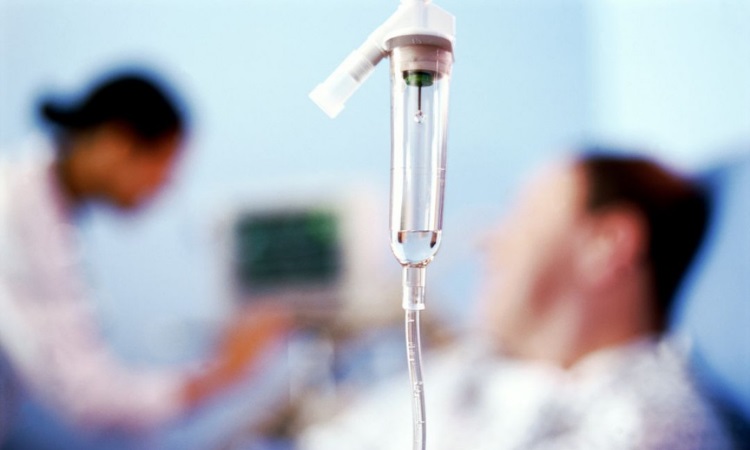
Surgical recovery places increased demands on the body. The body must repair tissue, manage infection risk, and restore normal function. Standard protocols may include rest and oral medications. Some patients use IV therapy to deliver support during this period. IV therapy allows the delivery of fluids and nutrients directly into the bloodstream without going through digestion.
Therapy For Surgery
Surgery places the body in a state that requires greater energy and nutrients for tissue repair. After an operation, many people experience nausea, fatigue, or reduced appetite. Pain medications may further decrease the desire or ability to eat and drink. This combination can make it difficult to consume the recommended amounts of vitamins and minerals needed for healing.
IV therapy can bypass these obstacles. Fluids and nutrients given intravenously are absorbed directly by the body. This approach does not depend on digestive function. Nutrients can be available for use by cells without delay. For patients with limited oral intake, this method addresses immediate nutritional needs.
Therapy For Hydration
Hydration is important during recovery. Surgical procedures often require fasting and may cause fluid loss. Dehydration is a common concern. It can supply fluids rapidly, helping maintain blood volume and supporting circulation. This may help eliminate substances used in anesthesia and reduce the likelihood of complications from fluid deficit.
IV therapy may include nutrients such as calcium, magnesium, vitamin B, and vitamin C. These components are often used in therapy protocols. Calcium and magnesium support various metabolic functions. Vitamin B and C are associated with tissue repair and immune response. Vitamin C is required for collagen production and wound healing. Magnesium may reduce muscle tension, and vitamin B can address fatigue or low energy post-surgery.
Effects may last for several days. The therapy can be integrated with other protocols, such as lifestyle adjustments or the use of other supplements. The composition of the IV drip and frequency of administration are tailored to the needs of each person.
Therapy For Oxygen
Ozone therapy introduces a form of oxygen into the body. The method may help manage bacteria, viruses, fungi, and yeast. This technique may also influence inflammation levels after surgery. Some inflammation is necessary for tissue repair, while excessive inflammation can slow recovery. Ozone introduced intravenously may help modulate the inflammatory response.
Ozone therapy is associated with increased metabolism and improved circulation. Improved blood flow brings more oxygen to recovering tissue. The process may also stimulate antioxidant production in the body. Antioxidants can play a role in controlling oxidative stress, which can occur after injury or surgery.
IV Therapy
IV therapy can offer fluids and nutrients for people. This method does not rely on digestive processes, and nutrients are available for use soon after delivery. IV therapy can contain specific combinations of fluids, vitamins, and minerals, and the plan is adjusted for each person’s needs. Ozone therapy may provide additional support by influencing inflammation and supporting infection control. The use of these therapies is determined by clinical evaluation and individual recovery goals. Consultation is important before beginning these approaches to make sure they are appropriate for each situation.
- Finding the Right Mental Health Counseling and Therapy
- Planning Chiropractic Visits Around Pain, Recovery, and Daily Life
- When Should You Speak to a Casselberry Car Accident Lawyer?
- How Corporate Lawyers Help Companies Manage Risk and Compliance
- Ken Raymie: Why a Healthy Work-Life Balance Matters for Today’s Workforce