

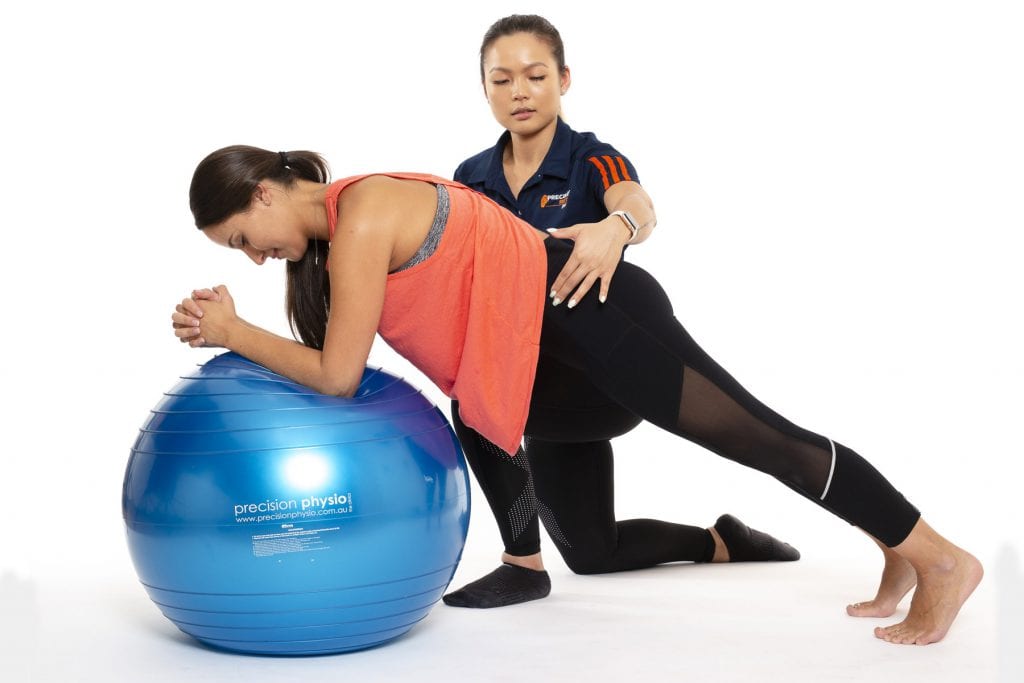
Back pain is a concern that affects people of all ages and activity levels, often limiting mobility and daily function. While injury and medical conditions can contribute to discomfort, lifestyle factors play a significant role in spinal health. Here’s a closer look at the role of exercise in preventing back pain:
Protecting the Spine
The human spine relies on a complex network of muscles, ligaments, and tendons for support and mobility. Regular physical activity strengthens these supporting elements that stabilize the vertebral column. Here’s how engaging in a consistent exercise program protects spinal health and prevents back pain:
- Muscle Strengthening: Exercise builds the core, gluteal, and back muscles, which act as a brace for the spine and reduce the load on the vertebrae.
- Improved Flexibility: Stretching and mobility exercises increase hip and spine range of motion.
- Enhanced Nutrient Delivery: Movement promotes blood flow to soft tissues and facilitates nutrient diffusion into the spinal discs.
- Weight Management: Physical activity helps maintain a healthy weight, reducing the load and constant pressure on the lower back structures.
- Better Posture: Strengthening the posterior chain helps correct alignment issues caused by sitting or slouching.
Exercise functions as a rehabilitation tool and a fundamental component of preventive spinal care.
Preventing Back Pain
To effectively prevent back pain, a regimen should ideally include a balanced mix of low-impact aerobic conditioning, strengthening exercises, and flexibility training. Aerobic exercise helps with weight control and improves overall blood flow. Low-impact options like walking and swimming provide the cardiovascular benefits without jarring forces.
Exercises such as planks, bridges, and bird-dogs activate the core stabilizing muscles. When the core is strong, it acts as a central support, taking pressure off the lumbar spine during daily activities. Tightness in the hamstrings, hip flexors, and glutes can alter pelvic alignment, which in turn pulls on the lower back. Stretching these areas relieves this tension. Approach stretching with caution; hyperextension or forcing a stretch can lead to injury.
Reducing Pain Triggers
Many cases of back pain are not the result of a single traumatic event, but the accumulation of micro-stresses from daily habits. When the body remains static for extended periods, the hip flexors tighten, the glutes weaken, and the spinal discs are compressed. Frequent, short bouts of activity break the cycle of compression and stiffness. A body that is accustomed to movement is more resilient. When an individual with a conditioned back performs an unexpected physical task, their muscles engage and protect the spine.
Building Safe Exercise Habits
While exercise is beneficial, starting a new routine requires a strategic approach to avoid causing the very pain one seeks to prevent. To make sure that exercise remains a safe and effective tool for back pain, keep the following guidelines in mind:
- Start Slowly: Begin with low-intensity activities and gradually increase the duration and intensity as your strength and endurance improve.
- Listen to Your Body: Differentiate between the mild discomfort of muscle effort and sharp, shooting pain.
- Focus on Form: Seek guidance from a physical therapist or certified trainer if unsure about proper mechanics.
- Warm Up and Cool Down: Prepare the muscles with light aerobic activity before intense exercise and finish with stretching to aid recovery.
- Consistency Over Intensity: Regular, moderate exercise is generally more effective for long-term back health than sporadic, high-intensity workouts.
Adhering to these principles helps establish a sustainable routine that supports spinal health.
Book Your Back Pain Consultation
Exercise is a tool for maintaining spinal health, but it is one part of a broader approach to wellness. If back discomfort persists despite home care and lifestyle adjustments, professional evaluation becomes necessary. To address chronic issues and develop a personalized recovery plan, contact a qualified pain specialist near you to book your consultation today.
- Fort Lauderdale, Florida Property Cleanout Guide: How to Plan a Smooth Clear-Out
- Enhancing Your Backyard with an Outdoor Shower Installation
- How West Odessa, Texas Homeowners Can Plan a Remodel for Heat, Wind, and Everyday Life
- How to Maintain and Restore Your Teak Outdoor Furniture
- 8 Best Furnace Installation Companies In Toronto