

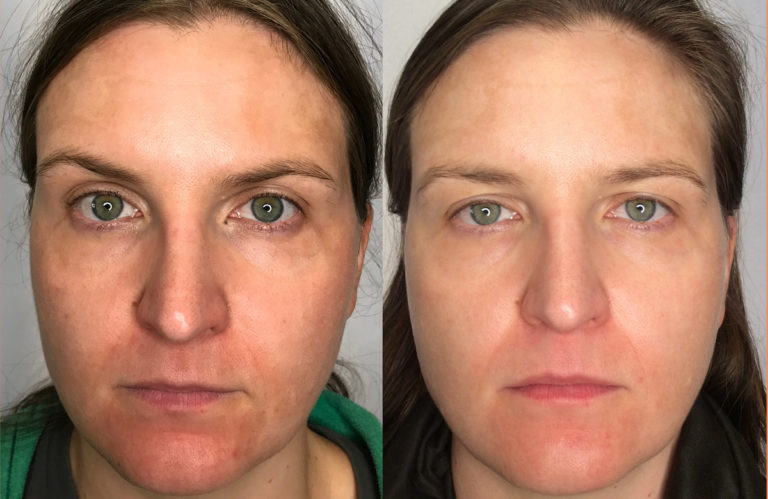
Skin resurfacing treatments offer various methods for addressing complexion concerns, ranging from mild exfoliation to deep tissue stimulation. Understanding the differences between Laser Genesis and traditional laser treatments helps in selecting the appropriate protocol for specific dermatological needs. Here is more information on laser treatments, how they work, what the process involves, and their benefits:
What Is Laser Genesis?
Laser Genesis is a non-invasive laser treatment designed to revitalize the skin by heating the upper dermis. It uses a laser to gently raise the temperature of the tissue, stimulating collagen production without damaging the surface. This procedure typically targets fine lines, redness, and scarring, and it may require multiple sessions to achieve the desired results. It is classified as a non-invasive treatment, meaning it penetrates the skin without removing the top layer.
How Does It Work?
The technology functions by delivering micro-pulses of laser energy into the skin at a high repetition rate. This energy is absorbed by the skin, generating heat that stimulates the body’s natural healing response. As the temperature rises, the body begins to produce new collagen, and this process gradually improves skin texture and tone. The heat generated also reduces the redness associated with conditions like rosacea.
What Does the Process Involve?
Patients usually begin the appointment with a thorough cleansing of the treatment area to remove makeup or oils. Protective eyewear is provided to shield the eyes from the laser light, and the practitioner selects the appropriate settings. The handpiece is held just above the skin and moved back and forth over the target area.
During the session, individuals may experience a gentle warming sensation. The treatment is quick, and it allows patients to return to daily activities immediately. Following the procedure, practitioners advise patients to apply a broad-spectrum sunscreen to protect the treated area. The skin may appear slightly flushed, but this effect typically subsides quickly.
What Are the Benefits?
One primary advantage of Laser Genesis is the lack of downtime following the procedure. Patients may notice slight redness that dissipates quickly, enabling a quick return to daily activities. The treatment improves skin texture and overall radiance. It effectively addresses:
- Fine lines and wrinkles
- Uneven skin texture
- Large pores
- Diffuse redness and rosacea scars
This modality is safe for use on all skin types, including both dark and light skin tones. The gradual nature of the results provides a natural-looking enhancement, and consistent sessions lead to sustained collagen remodeling.
How Do Traditional Treatments Differ?
Traditional laser treatments may refer to ablative lasers, which vaporize the outer layer of the skin. These devices remove the epidermis to reach the underlying dermis, thereby initiating a wound-healing response. While this approach produces dramatic results, it involves a more extended recovery period.
Recovery from traditional ablative resurfacing can take several weeks and involves redness, swelling, and peeling. Laser Genesis provides a gentler alternative, while traditional lasers are reserved for deep wrinkles and severe sun damage. Traditional treatments also typically require anesthesia due to the procedure’s intensity.
Improve Your Appearance Now
Choosing between Laser Genesis and traditional laser treatments depends on specific skin concerns and tolerance for downtime. Laser Genesis offers a non-invasive route to skin rejuvenation, while traditional lasers provide aggressive correction for deep structural issues. Consulting with a qualified medical aesthetician helps determine the most appropriate protocol. Contact a clinic today to schedule an appointment and discuss your skin goals.
- After Death And Meaning: A Practical Guide To Grief, Hope, And End-Of-Life Conversations
- What to Do in the First Few Minutes of a Suspected Cardiac Arrest
- 6 Leading Dental Implant Providers In Palm Beach County
- 7 Downtown Chicago Hotels For Rooftop Views, Events, And Memorable Stays
- A Practical Guide to Safer, Smarter Food Storage at Home