

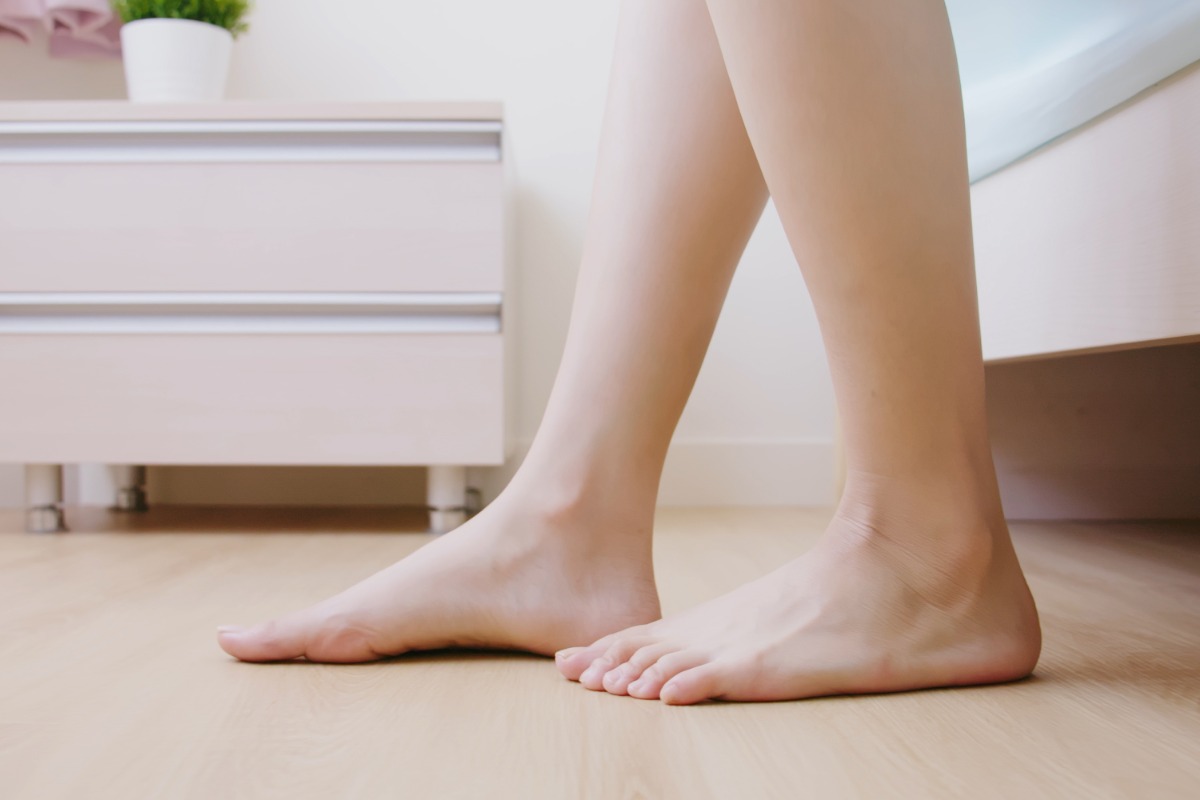
Flat feet, or fallen arches, are a common condition where the arches on the inside of your feet flatten when pressure is put on them. When people with this condition stand up, the entire sole of their foot touches the floor. This structural change occurs because the tendons in your foot, which normally pull together to create an upward curve, loosen or do not develop properly.
For many individuals, flat feet are a painless condition that doesn’t require treatment. For others, the lack of arch support leads to discomfort in the feet, ankles, and lower legs. Specific injuries may cause the tendon structure creating your arches to collapse. Understanding why this happens and recognizing the signs can help you seek the right support.
Common Causes
Flat feet can occur at various stages of life. While it is often seen as a developmental part of childhood, adults can also develop the condition. This is often referred to as “acquired flatfoot.” The condition is generally the result of the tissues holding the arch together becoming weakened or torn.
Several factors can contribute to the development of flat feet:
- Genetics: Many people simply inherit the foot structure from their parents. If the arches do not develop during childhood, the feet remain flat into adulthood.
- Aging and Wear and Tear: Years of walking, running, and standing can weaken the posterior tibial tendon, which is the primary support structure for the arch.
- Injury: A traumatic injury to the foot or ankle can tear tendons or dislocate bones, leading to a collapse of the arch.
- Health Conditions: Certain medical issues, such as rheumatoid arthritis, can attack the cartilage and ligaments in the foot. Additionally, conditions like obesity and diabetes may increase the risk of developing flat feet due to increased pressure or nerve damage.
Common Symptoms
It is possible to have flat feet and experience no symptoms at all. When the alignment of the legs and feet is altered, it can create stress on other parts of the body. You may not experience any immediate pain, but addressing the issue early can prevent future complications.
If you are experiencing discomfort, common symptoms often include:
- Pain in the heel or arch area: This is the most frequent complaint and typically worsens with activity.
- Swelling: You might notice swelling along the inner ankle.
- Leg and Back Pain: A lack of foot support can cause pain in the calves, knees, hips, and lower back.
- Visible Changes: The bottom of your feet may lay completely flat on the ground.
Professional Help for Flat Feet
Recognizing when to seek professional help is part of managing your foot health. Occasional foot fatigue can be normal, but it is needful to pay attention to persistent pain or discomfort. You should consider contacting a specialist if your flat feet begin to interfere with daily activities or limit mobility. Seek medical advice if you experience feet that tire easily or feel heavy after walking short distances, pain that does not improve with rest or over-the-counter support, or if you notice a sudden change in the appearance of your foot. A specialist can assess your gait and foot structure and recommend the most appropriate options for support.
Contact a Specialist Today
Living with foot pain can be challenging, but you do not have to manage it alone. If you suspect your symptoms are related to flat feet, a professional evaluation can provide clarity and relief. Specialists may offer non-invasive solutions, like custom orthotics, physical therapy, or supportive footwear recommendations, to realign your feet and reduce discomfort. Reach out to a specialist today to discuss your options and take the first step toward better foot health.
- How to Compare Non-Surgical Skin Tightening Options
- Exploring Next-Generation Wellness Trends: A Beginner’s Guide to Advanced Health Peptides
- Comprehensive Approaches to Mental Health and Behavioral Support
- Accessible Home Modifications for Seniors and Handicapped Individuals
- 6 Bathroom Renovation Resources Spokane Homeowners Can Use for Safer, Easier-Care Spaces