

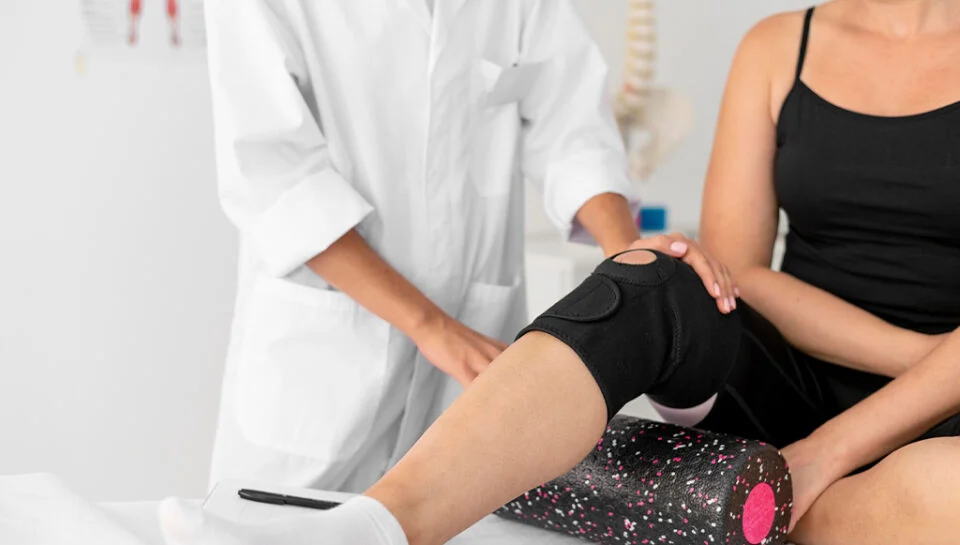
Joint mobility refers to the range of motion available in any given joint. Healthy joints allow the body to move freely, bend, and twist without restriction. Arthritis changes this dynamic by causing inflammation or degradation within the joint structure. These changes often lead to stiffness and reduced range of motion over time. Understanding this connection helps individuals manage their symptoms more effectively.
How Does Arthritis Affect the Ankles?
The ankle joint bears the weight of the entire body, making it susceptible to wear and tear. When arthritis targets this area, it alters how the joint functions and moves. The cartilage that cushions the bones may wear away, or inflammation may cause swelling in the joint lining.
- Pain during movement: Walking or standing often triggers discomfort as bones rub against one another. This sensation discourages individuals from using the full range of motion in their ankles.
- Stiffness in the morning: Many people notice that their ankles feel rigid when they first wake up. The joint fluid thickens during periods of inactivity, which limits flexibility until movement warms it up.
- Swelling and tenderness: Inflammation causes fluid accumulation around the joint. This physical swelling acts as a mechanical block that restricts how far the ankle can bend or flex.
- Bone spurs: The body may produce extra bone in an attempt to repair damage. These hard lumps can physically obstruct movement and further reduce the joint’s ability to flex.
Ignoring these symptoms can lead to a permanent loss of motion. Regular assessment helps track changes in flexibility and function. Early intervention strategies often focus on maintaining current mobility levels before they decline further.
Why Does Mobility Decline?
Mobility declines primarily because pain creates a cycle of inactivity. When a joint hurts, the natural reaction involves limiting movement to avoid discomfort. This protective mechanism inadvertently causes the surrounding muscles to weaken and tighten.
Weak muscles provide less support to the joint structure. Without strong muscular support, the joint experiences more stress during daily activities. This increased stress accelerates the degradation of cartilage and bone.
Scar tissue also plays a role in reduced movement. Chronic inflammation can lead to the formation of adhesions within the joint capsule. These adhesions bind tissues together that normally slide past each other. The result is a stiff joint that resists stretching or bending.
How Does Movement Preserve Function?
Keeping the body in motion remains the most effective way to combat stiffness. Exercise lubricates the joints by circulating synovial fluid. This fluid provides nutrients to the cartilage and reduces friction between bones.
- Low-impact aerobic exercise
- Range-of-motion stretches
- Strength training
- Water aerobics
- Tai Chi or Yoga
Regular activity signals the body to maintain muscle mass and bone density. Strong muscles act as shock absorbers that take pressure off the damaged joint. Even small amounts of daily movement can prevent the joint capsule from shrinking.
Consult a Specialist
Consulting a healthcare provider is a practical step toward managing arthritis and protecting your long-term mobility. A specialist can evaluate your specific joint limitations and offer personalized strategies, such as tailored exercises or treatments. Address persistent pain or stiffness early, as proactive care helps prevent more complex issues from developing down the road. By scheduling an appointment today, you can gain the clear guidance and reassurance needed to maintain your independence.
- 6 Bathroom Renovation Resources Spokane Homeowners Can Use for Safer, Easier-Care Spaces
- How R&D Center Helps People Find Personalized Drug Treatment in Philadelphia, Pennsylvania
- How Play Builds School Readiness for Preschoolers in Greensboro, North Carolina
- How to Choose the Right Way to Sell a House in Fayetteville, North Carolina
- Navigating Mental Health Resources and Therapy Options