

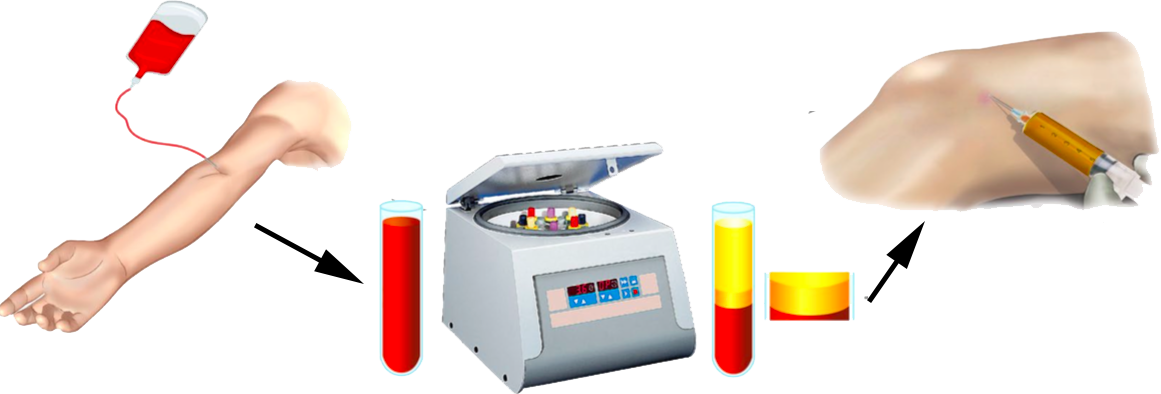
Platelet-rich plasma, commonly known as PRP, is a concentration derived from a person’s own blood. It contains a higher number of platelets than normally found in blood. These platelets hold growth factors, which are proteins that can assist the body’s natural reparative processes. Understanding how PRP is prepared and its function in supporting tissue regeneration may help you determine if this therapy is right for you.
How Does PRP Promote Tissue Growth?
The process begins with a medical professional drawing a small sample of your blood. A machine called a centrifuge then spins the blood at high speeds, separating it into different components: red blood cells, white blood cells, plasma, and platelets. The medical professional then isolates the platelet-rich plasma portion and prepares it for use.
Once prepared, the professional introduces the concentrated PRP to a specific area of the body. The growth factors within the platelets are released, signaling to local cells. This process supports your body’s own ability to rebuild and repair tissues by encouraging new cell development. The concentrated nature of the growth factors in PRP makes it a subject of ongoing study in regenerative applications.
Which Tissues Respond Most?
Researchers are exploring the application of PRP across various types of tissues due to the fundamental role of platelets in the body’s healing mechanisms. Different tissues may respond in unique ways, and research continues to clarify these interactions. Below are some tissue types that professionals frequently discuss in relation to PRP.
- Tendons: These strong, fibrous cords connect muscle to bone. Tendon tissue has a limited blood supply, which can sometimes slow down the natural healing process.
- Ligaments: Ligaments are tough bands of tissue that connect bone to bone, providing stability to joints. Like tendons, they can heal slowly.
- Muscles: Muscle injuries can range from minor strains to more significant tears. The body’s natural response involves repairing the damaged muscle fibers.
- Skin and Hair Follicles: In dermatology and cosmetic applications, researchers study PRP for its potential to support skin rejuvenation and stimulate hair follicles.
Understanding how different tissues react helps guide the appropriate use of PRP. The goal is always to support the body’s inherent ability to heal itself in a targeted manner.
What Conditions Do Practitioners Treat?
Practitioners use PRP for a wide range of musculoskeletal and aesthetic conditions. They are exploring its application for various issues to help manage symptoms and support tissue health. A healthcare provider can determine if it is a suitable option for your specific situation.
- Tendon injuries (e.g., tennis elbow, Achilles tendinopathy)
- Ligament sprains
- Muscle strains
- Joint conditions
- Skin rejuvenation
- Hair loss
These are just a few of the conditions where practitioners apply PRP. The list continues to evolve as researchers conduct more studies and discover new applications.
Consult a Specialist
PRP utilizes components from your own body to support its natural healing functions. The process involves concentrating platelets and their growth factors to assist in tissue regeneration for various conditions. If you are curious about whether PRP could be right for you, scheduling a consultation with a qualified specialist is a practical next step. A specialist can evaluate your specific condition, answer your questions, and help you understand your care options.
- Finding the Right Mental Health Counseling and Therapy
- Planning Chiropractic Visits Around Pain, Recovery, and Daily Life
- When Should You Speak to a Casselberry Car Accident Lawyer?
- How Corporate Lawyers Help Companies Manage Risk and Compliance
- Ken Raymie: Why a Healthy Work-Life Balance Matters for Today’s Workforce