

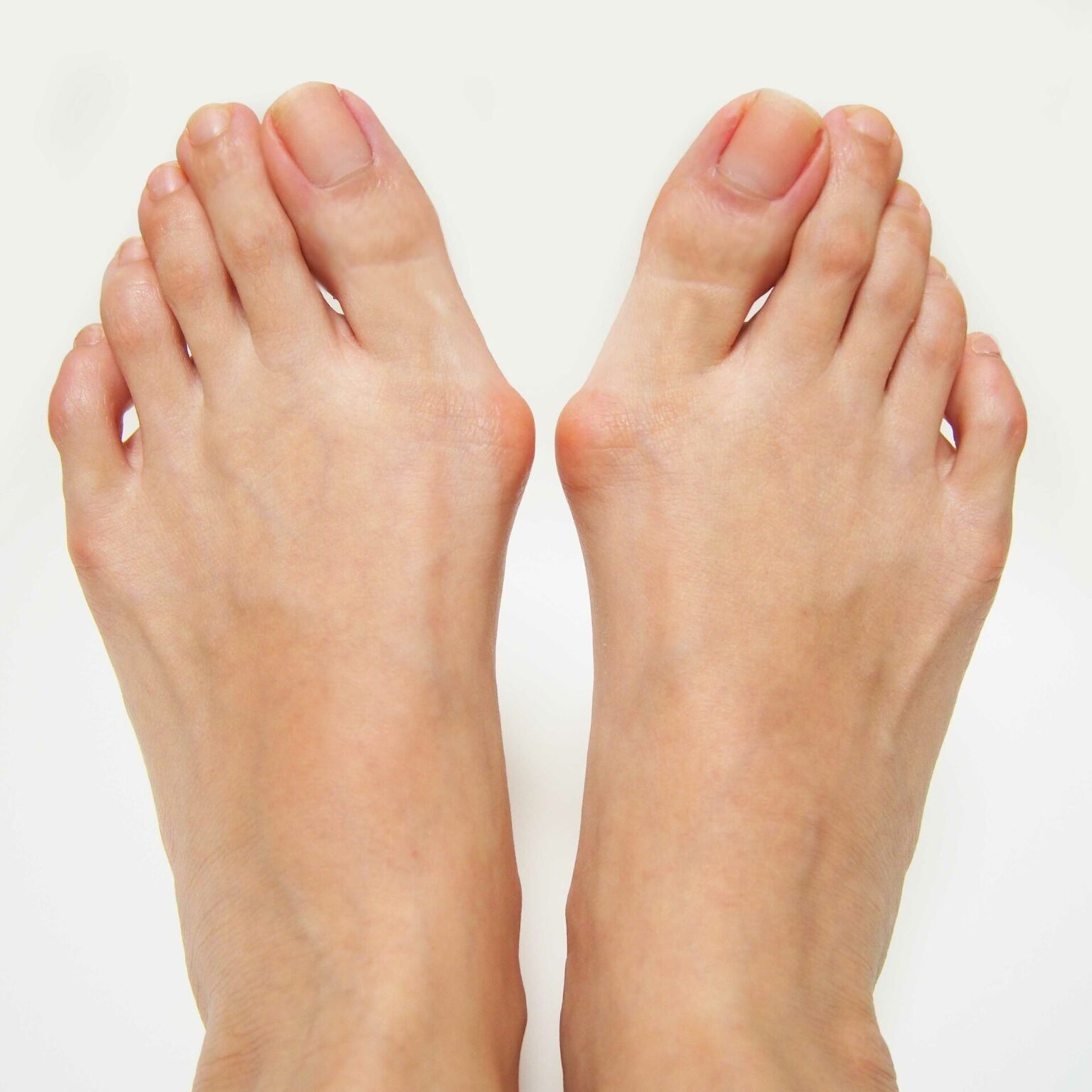
A bunion is a bony bump that forms at the joint at the base of the big toe, and it can cause discomfort and make it difficult to wear certain shoes. While surgery is an option for severe cases, many people find relief through nonsurgical treatments. These approaches focus on alleviating symptoms such as pain and pressure and may help slow the progression of the bunion. Exploring these conservative methods can provide significant relief and improve your quality of life without the need for surgery.
Lifestyle & Footwear Changes
One of the most effective ways to manage bunion symptoms is to adjust your daily habits and footwear. The shoes you wear directly affect the pressure on your big toe joint. Choose shoes that fit your foot’s natural shape to reduce discomfort and stress on the joint.
- Choose Proper Footwear: Look for shoes with a wide toe box that provides ample room for your toes to lie flat. Avoid narrow, pointed shoes or high heels, as these may crowd the toes and worsen irritation. Softer materials, such as leather or canvas, can also reduce pressure on the bunion.
- Use Bunion Pads: Over-the-counter bunion pads, often made of gel or moleskin, may be placed over the bunion to provide cushioning. This simple addition helps prevent rubbing against the inside of your shoe, reducing friction and discomfort throughout the day.
- Custom Orthotics: Custom orthotic inserts are designed to fit your feet and shoes, providing additional support and distributing pressure more evenly across the foot. Using these supportive devices may reduce strain on the bunion and improve comfort during daily activities.
Pain & Inflammation Management
When a bunion becomes inflamed and painful, several methods help manage the immediate symptoms. The goal is to reduce swelling and alleviate the discomfort that can interfere with your daily routine. Consistent management may help keep pain at a manageable level.
- Ice Application: Applying an ice pack to the bunion for 15-20 minutes several times a day can help reduce swelling and numb the area. Wrap the ice pack in a thin towel to protect your skin.
- Over-the-Counter Medications: Nonsteroidal anti-inflammatory drugs (NSAIDs), such as ibuprofen or naproxen sodium, may help reduce both pain and inflammation.
Physical Therapy & Exercise
Targeted exercises and physical therapy can play an significant role in managing bunion symptoms. Stretching techniques maintain big toe mobility, like gently aligning and holding the toe or flexing and extending it with your fingers. Strengthening exercises, such as picking up objects with your toes or pressing them into the floor, help build foot muscles. A physical therapist may demonstrate taping methods designed to hold your foot and toe in a more natural position, which may relieve pressure and discomfort during your daily activities. These strategies increase flexibility, strengthen muscles, and reduce strain so you can manage symptoms proactively.
Ask About Bunion Relief Today
Bunion pain is challenging, but nonsurgical treatments may help manage symptoms and improve comfort. By changing your footwear, managing pain and inflammation, and incorporating targeted exercises, you can take proactive steps toward relief. If your symptoms persist or worsen, it is always a good idea to seek professional guidance. A specialist can help you develop a comprehensive treatment plan tailored to your needs.
- How to Compare Non-Surgical Skin Tightening Options
- Exploring Next-Generation Wellness Trends: A Beginner’s Guide to Advanced Health Peptides
- Comprehensive Approaches to Mental Health and Behavioral Support
- Accessible Home Modifications for Seniors and Handicapped Individuals
- 6 Bathroom Renovation Resources Spokane Homeowners Can Use for Safer, Easier-Care Spaces