

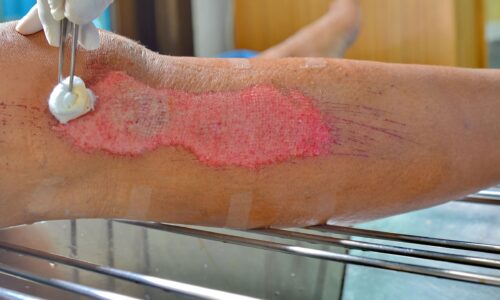
Managing pain is a key component of effective wound care, and pain can arise from the wound itself, during dressing changes, or as a persistent background sensation. A proactive approach to pain management, which can support the healing process and improve overall well-being, begins with understanding the different types of wound-related pain. This involves communicating with healthcare providers to develop a plan that addresses pain before, during, and after wound care procedures.
Before Dressing Changes
Pain associated with dressing changes is common, but several techniques can help minimize discomfort. Timing is a significant factor, so coordinating with your healthcare provider to take prescribed pain medication 30 to 60 minutes before a dressing change can be effective. This allows the medication to begin working before the procedure starts.
Simple adjustments to the environment can also make a difference.
- Use distraction techniques, such as listening to music, watching television, or practicing deep breathing exercises.
- Ask your provider about using non-adherent dressings, which are designed to prevent adherence to the wound bed and can make removal less painful.
- Soaking the old dressing with saline solution can help loosen it if it adheres to the wound.
For Ongoing and Background Pain
Background pain is a constant or intermittent discomfort that occurs even when the wound is not being touched. This type of pain requires a consistent management strategy developed with your healthcare team. Your healthcare provider may prescribe oral or topical medications for ongoing pain management. Following the prescribed schedule can help maintain a steady level of pain relief. Keeping a simple pain diary can also be helpful; you can track your pain levels, note what makes it better or worse, and record when you take medication. This information provides valuable feedback to your healthcare provider, helping them adjust your pain management plan as needed.
Holistic and Advanced Strategies in Wound Care
Besides traditional methods, various holistic and advanced strategies can complement a pain management plan for wound care. Techniques like guided imagery, mindfulness, and meditation can help manage the emotional and physical aspects of pain. Your healthcare provider may also recommend physical therapy to improve mobility and reduce stiffness around the wound area, which can contribute to discomfort. For persistent or severe pain, advanced options may be considered; these can include specialized dressings that create a moist healing environment or contain pain-relieving agents. Your provider can discuss if these are appropriate for your specific situation. Open communication with your care team helps make all available options are explored to find the most effective combination of strategies for you.
Ask Your Doctor Today
Effective wound pain management is achievable through a collaborative, personalized approach. Your experience of pain is unique, so what works for one person may not work for another. It is recommended to communicate openly with your doctors and nurses about your pain. Describe its intensity, location, and what seems to trigger it. Ask questions about your treatment plan, and discuss any concerns you have about medications or procedures. By working together, you and your healthcare team can create a plan that effectively manages your pain and supports your healing journey.
- 6 Bathroom Renovation Resources Spokane Homeowners Can Use for Safer, Easier-Care Spaces
- How R&D Center Helps People Find Personalized Drug Treatment in Philadelphia, Pennsylvania
- How Play Builds School Readiness for Preschoolers in Greensboro, North Carolina
- How to Choose the Right Way to Sell a House in Fayetteville, North Carolina
- Navigating Mental Health Resources and Therapy Options