

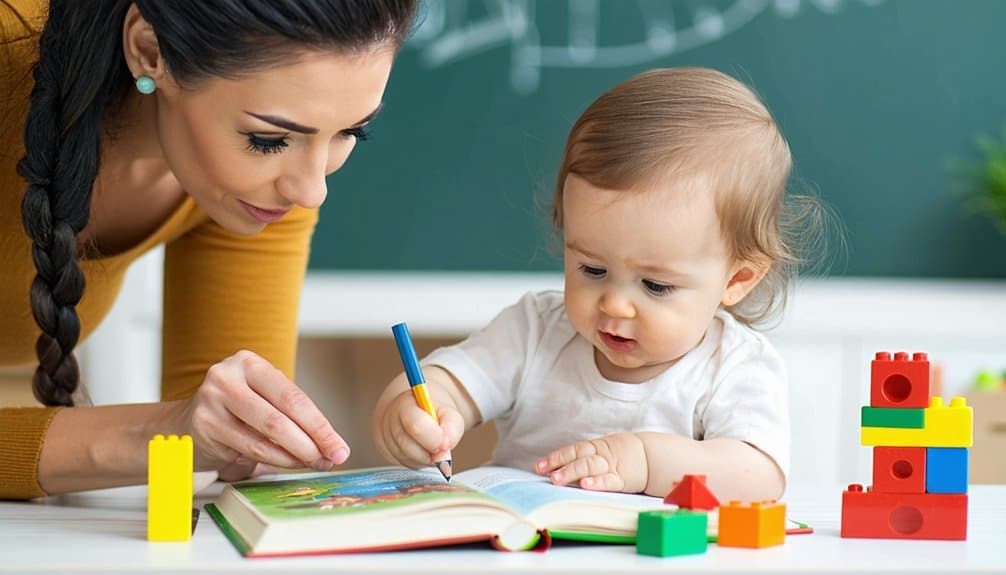
Monitoring a child’s growth involves tracking specific skills. These skills are called developmental milestones, and they can happen in a certain order. While every child grows at their own pace, doctors use these markers to check progress. Pediatrics care about the development of your child.
Physical Growth and Motor Skills
Physical milestones involve large and small body movements. Babies learn to hold their heads up first, then learn to sit without support. When infants master these skills, they could begin crawling or pulling themselves up to stand. These actions need muscle strength. Walking is a major milestone many parents watch for, but running and jumping come much later. Fine motor skills develop with these gross motor movements. Children learn to grasp objects, then use utensils or crayons. Support physical development through daily activities. Tummy time helps infants build neck strength, and older children need space to run and play safely. Outdoor play and floor exercises improve balance and coordination. When you provide movement opportunities, your child refines coordination and balance. Regular pediatrics appointments allow doctors to measure this growth.
Communication and Language Development
Babies coo and babble to communicate needs, and use gestures like pointing or waving. As they grow, they form simple words, then combine them into short phrases. Understanding language is as monumental as speaking it. A toddler might follow simple instructions, or identify objects when you name them. Every child learns differently, so vocabulary can vary between children of the same age. Parents play a role in language acquisition. Reading books together introduces new words, and talking to your child throughout the day reinforces these concepts. Singing songs, asking questions, and engaging in conversation help language develop. When you describe what you are doing, your child learns to associate words with actions and objects. Listening is also a key part of this process.
Social and Emotional Markers
Social milestones track how children interact with others. Infants smile at people they recognize, but may cry when separated from caregivers. As they mature, children begin to play near other kids, then learn to play cooperatively in groups. These interactions teach sharing, empathy, and understanding rules. Emotional development includes learning to manage feelings in different situations. A young child might have tantrums when frustrated, but an older child learns to express anger or sadness with words and gestures.
You might notice your child mimicking your actions, or you might see them offering toys to others. When a child struggles with social cues, it can sometimes indicate a developmental variation. This may require professional attention. Consistent routines, such as regular mealtimes or bedtime rituals, help children feel secure and manage transitions more easily. Immunizations can protect children from illnesses, and healthy children are better able to attend school and social events. Staying on schedule with vaccinations allows participation in group activities where social learning happens.
Schedule a Pediatrics Appointment Today
Tracking milestones helps your child thrive. If you have questions about specific behaviors, make an appointment to discuss them with a pediatrician. Staying proactive about these markers supports your child’s long-term health and development. Contact your office to schedule your child’s annual physicals or discuss nutrition counseling and immunization needs.
- 6 Bathroom Renovation Resources Spokane Homeowners Can Use for Safer, Easier-Care Spaces
- How R&D Center Helps People Find Personalized Drug Treatment in Philadelphia, Pennsylvania
- How Play Builds School Readiness for Preschoolers in Greensboro, North Carolina
- How to Choose the Right Way to Sell a House in Fayetteville, North Carolina
- Navigating Mental Health Resources and Therapy Options