

Key Takeaways
- Proactive maintenance reduces the risk of costly furnace repairs and improves efficiency.
- Upgrading thermostats and sealing air ducts are simple actions that significantly lower energy consumption.
- Awareness of furnace performance helps catch problems early, which can prevent significant issues down the road.
Furnaces play a crucial role in keeping homes comfortable during colder months, but without proper care, even the most reliable systems can break down prematurely. Establishing strong maintenance habits and utilizing smart upgrades can add years to your furnace’s lifespan, preventing unexpected expenses and boosting overall heating performance. If you notice uneven heating or suspect your equipment isn’t functioning at its peak, professional furnace repair in Ruston may be necessary to avoid major breakdowns and keep your system running smoothly.
A well-maintained furnace doesn’t just last longer—it also operates more efficiently, ensuring cleaner airflow and lower utility bills. From preventative checkups to regular filter replacements, small steps can offer significant advantages, especially as modern homeowners strive to maximize energy savings without sacrificing comfort.
Schedule Annual Professional Maintenance
One of the most effective ways to protect your furnace investment is with routine professional checkups. Annual inspections performed by trained HVAC technicians can identify minor issues—such as faulty igniters, loose parts, or dirty burners—before they lead to significant malfunctions. Technicians clean and calibrate components, inspect gas connections, verify safety controls, and ensure proper airflow. According to the U.S. Department of Energy, routine HVAC maintenance can improve system reliability and reduce unexpected repair costs.
Replace Air Filters Regularly
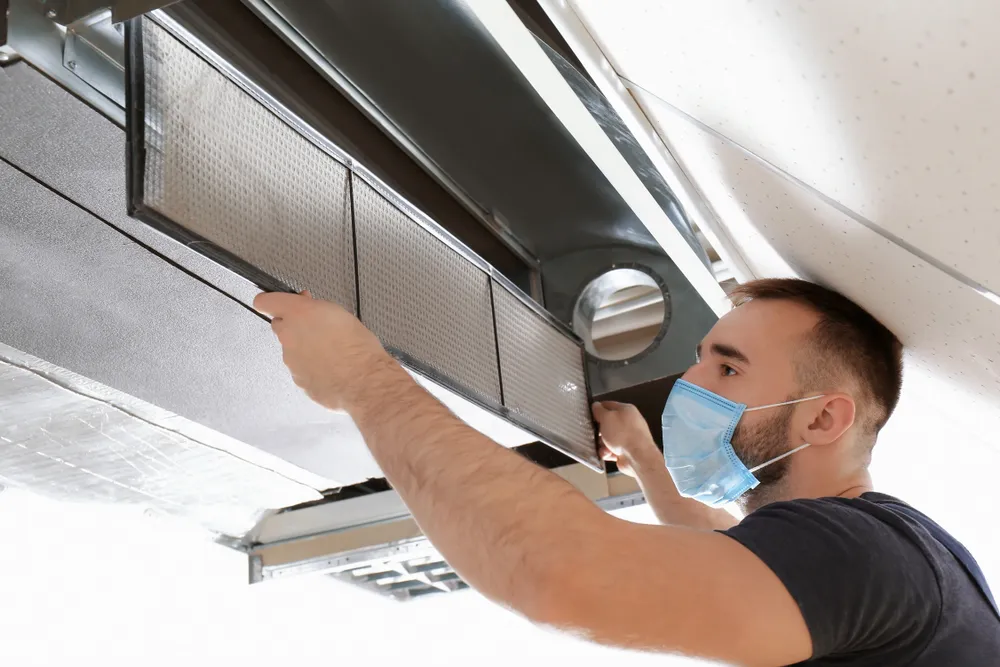
The air filter is one of the most critical components of your furnace. Clogged or dirty filters block airflow, forcing the system to work harder and potentially causing parts to overheat or fail. Most manufacturers recommend checking filters every month during periods of heavy use and replacing them every 1–3 months. If you have pets, allergies, or higher-than-normal dust levels in your home, increasing the frequency of filter replacements ensures optimal indoor air quality. It can extend the lifespan of your furnace and blower motor.
Upgrade to a Programmable Thermostat
Traditional thermostats can lead to wasted energy and unnecessary strain on your furnace. Installing a programmable or smart thermostat allows you to automate temperature settings based on the time of day or occupancy, reducing the frequency of system cycling on and off. For example, you can lower the heat while you’re at work or asleep, then schedule it to warm the house before everyone returns. This not only conserves energy but also reduces frequent cycling, which is a common factor in furnace wear and tear.
Keep Vents and Registers Unobstructed
Blocked vents and registers can create pressure imbalances and restrict airflow through your heating system. Furniture, drapes, and rugs should all be kept clear of supply and return registers to ensure consistent heating throughout the home. Regularly walk through your living areas and check that all vents are open and unblocked—this simple practice can prevent overheating and reduce energy waste.
Seal Ductwork and Improve Insulation
Leaky ducts and inadequate home insulation are among the leading causes of heat loss. Warm air that escapes before reaching living spaces forces the furnace to run longer to maintain the right temperature. Sealing ductwork with mastic or metal-backed tape and upgrading attic or crawlspace insulation helps heat remain where you need it. Not only does this reduce furnace runtime, but it also keeps heating bills under control. The U.S. Department of Energy recommends homeowners regularly inspect for and seal air leaks to boost system performance.
Monitor and Adjust Thermostat Settings Wisely
It’s easy to lose sight of how much energy even a small thermostat adjustment can save. Lowering your home’s temperature by a few degrees when you’re away or tucked in bed can make a noticeable difference over the course of a season. Energy experts recommend setting the thermostat to the lowest comfortable temperature during fall and winter, and layering on warm clothing and blankets when possible.
Keep the Furnace Area Clean
The space around your furnace should always remain uncluttered and free of debris. Dust and flammable objects near your furnace increase the risk of fire hazards and restrict necessary airflow. Regularly vacuum or sweep the area, and store household chemicals, boxes, and loose papers out of the way to maintain safety and efficiency.
Be Alert to Unusual Signs
Listening and responding to your furnace is a key part of early problem detection. If you hear banging, rattling, or screeching noises, or notice musty or burning smells, address them quickly. Poor heat output, frequent cycling, or rising energy bills can also signal trouble. Early intervention—whether it’s a DIY filter swap or calling an expert for repair—reduces the risk of extensive damage and high repair costs. Stay vigilant, and never ignore warning signs that could lead to an untimely breakdown.
Conclusion
Regular furnace maintenance and simple upgrades are key to ensuring efficient, reliable, and long-lasting heating. By keeping filters clean, vents clear, ducts sealed, and thermostats optimized, homeowners can prevent costly repairs, reduce energy bills, and maintain consistent comfort throughout their homes. Staying attentive to unusual signs and scheduling professional checkups helps catch problems early, protecting both the furnace and the household. Consistent care not only extends the life of your system but also promotes safety, efficiency, and peace of mind during colder months.
- How to Compare Non-Surgical Skin Tightening Options
- Exploring Next-Generation Wellness Trends: A Beginner’s Guide to Advanced Health Peptides
- Comprehensive Approaches to Mental Health and Behavioral Support
- Accessible Home Modifications for Seniors and Handicapped Individuals
- 6 Bathroom Renovation Resources Spokane Homeowners Can Use for Safer, Easier-Care Spaces