

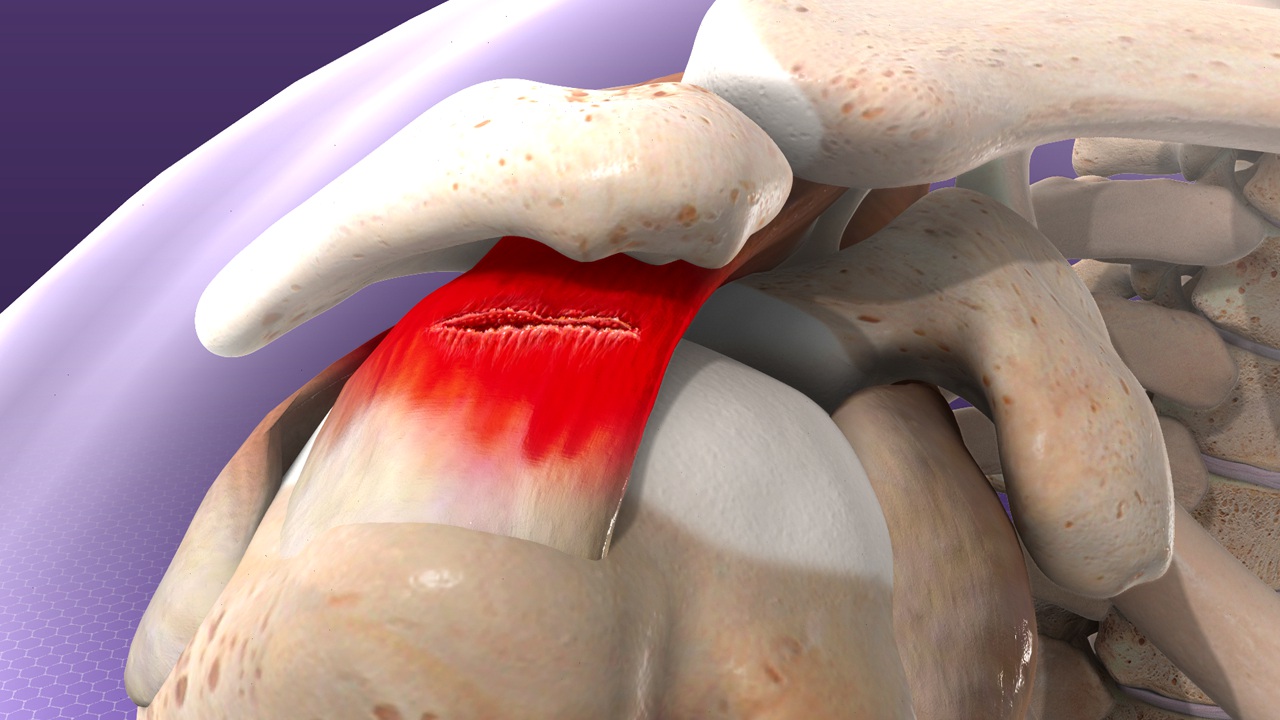
The rotator cuff consists of a group of muscles and tendons that surround the shoulder joint to provide stability and range of motion. If you suspect you have a rotator cuff tear, seeking a professional evaluation can help determine the extent of the damage. Injuries to these soft tissues often result from sudden trauma or gradual wear, and proper medical intervention can facilitate a return to normal activity levels. Here is more information about rotator cuff injuries and how to recognize if you have one:
Defining Rotator Cuff Tears
When a rotator cuff tear occurs, the tendons become detached from the head of the upper arm bone. These injuries typically happen because of a single traumatic event or gradual degeneration from repetitive motions. An acute tear results from sudden force, and a degenerative tear occurs gradually over time.
Partial-thickness tears damage the soft tissue without completely severing the connection; a full-thickness tear involves a complete separation of the tendon from the bone. Because the shoulder depends on these tissues for stability, a tear can lead to a significant loss of function. The body may experience inflammation or local swelling around the joint if the injury involves the tendons.
Understanding Symptoms
People with this condition may experience a dull ache deep within the shoulder, and this pain may worsen when you attempt to sleep on the affected side or lift heavy objects. Since the muscles can no longer support the joint, you might notice a sudden inability to raise your arm. Many individuals also report a grinding sensation during movement.
Common signs of a rotator cuff injury include:
- Pain that persists during rest or at night.
- Noticeable weakness when lifting or rotating the arm.
- Cracking or popping sounds.
These symptoms usually develop over time for those with degenerative conditions. If you experience a sudden injury, the pain may be immediate and intense. Visible swelling can appear if the trauma was severe; monitor these changes to provide an accurate history to your medical provider.
Exploring Treatments
Orthopedic specialists use various surgical techniques to restore the connection between the muscle and bone; arthroscopic procedures utilize small incisions and tiny cameras to minimize damage to surrounding tissues. During a repair, the surgeon reattaches the torn tendon to the humerus using small anchors. These methods aim to reduce discomfort and return the joint to its full range of motion.
Specific surgical options include:
- Arthroscopic rotator cuff repair: reattaches the tendon.
- Arthroscopic subacromial decompression: removes bone spurs.
- Arthroscopic soft tissue biceps tenodesis: repairs associated bicep damage.
Your doctor will recommend a specific plan based on the size and location of the tear. While surgery is common for full tears, some patients might start with conservative management. Following the procedure, physical therapy helps the muscles regain their former strength.
Seeking Professional Help
Consult a specialist if shoulder pain prevents you from performing daily tasks or interferes with sleep. If you experience a sudden loss of arm strength after a fall, immediate medical attention may be necessary. Leaving a tear untreated can lead to permanent joint stiffness or chronic weakness, and early intervention allows the orthopedist to choose from a wider range of effective solutions.
Treat Your Rotator Cuff Tear
A rotator cuff tear involves damage to the shoulder’s supporting tissues, and it often manifests as persistent weakness or discomfort. Specialists provide various treatments to help patients regain their shoulder mobility. To learn more about rotator cuff treatment and health, consult an orthopedist near you.
- Planning Chiropractic Visits Around Pain, Recovery, and Daily Life
- When Should You Speak to a Casselberry Car Accident Lawyer?
- How Corporate Lawyers Help Companies Manage Risk and Compliance
- Ken Raymie: Why a Healthy Work-Life Balance Matters for Today’s Workforce
- How to Buy Antique Furniture at Auction Without Overpaying