

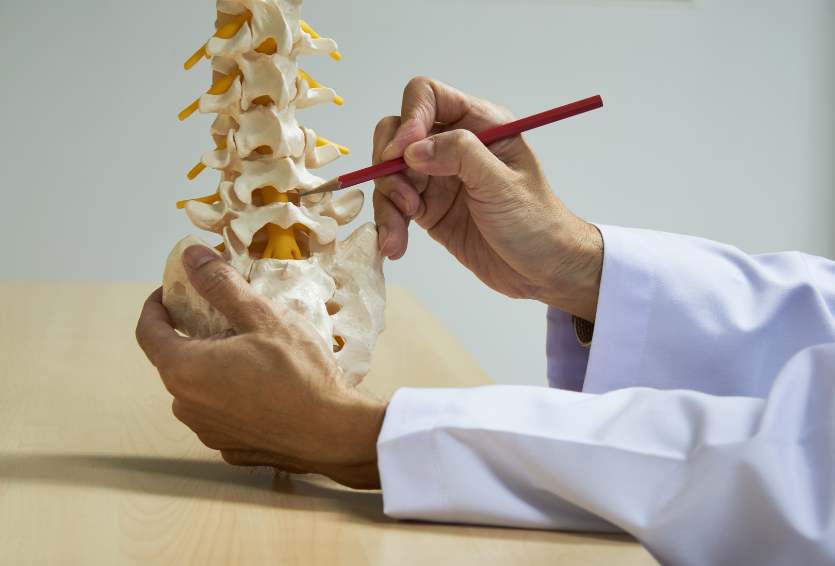
Spine surgery is a medical procedure that corrects abnormalities of the spinal column, and it alleviates pain while restoring function. Patients may evaluate this option after conservative treatments, such as physical therapy or medication, fail to provide relief. Understanding the intricacies of spine surgery helps individuals make informed decisions about their health.
What Is Spine Surgery?
Spine surgery encompasses a variety of surgical procedures performed on the spine to treat spinal disorders. These procedures address issues affecting the vertebrae, discs, spinal cord, or nerves. The spine is a complex structure composed of bones, muscles, tendons, and nerves, and surgery attempts to restore its proper alignment. Surgeons utilize advanced techniques to correct structural problems, aiming to improve stability and reduce pain.
Why Is It Conducted?
Surgeons recommend spine surgery primarily to relieve chronic pain and numbness that radiates to the arms or legs. This pain is often caused by compressed nerves within the spinal column. Conditions such as herniated discs, spinal stenosis, and spondylolisthesis are common diagnoses that necessitate surgical intervention. Another reason for surgery is to correct spinal deformities such as scoliosis, as these conditions can lead to severe discomfort and restricted movement.
What Are the Different Types?
Several types of spine surgery exist, each designed to treat specific conditions. Spinal fusion is a procedure that permanently connects two or more vertebrae in the spine, and this eliminates motion between them. Surgeons use bone grafts to fuse bones together, mimicking the natural healing process of a broken bone. This procedure is commonly used to treat spinal instability or deformities.
Decompression surgery involves removing specific structures that press on a nerve root; these structures include parts of a bone or a herniated disc. Common forms of decompression include laminectomy, laminotomy, and foraminotomy. By relieving pressure on the nerves, this surgery aims to reduce pain, numbness, and weakness in the limbs.
Artificial disc replacement serves as an alternative to spinal fusion for certain patients. In this procedure, surgeons remove a damaged disc and replace it with a synthetic one, and this restores height and movement between the vertebrae. This approach preserves more natural spine motion.
What Does the Process Involve?
The surgical process begins with a comprehensive preoperative evaluation to assess the patient’s overall health and specific spinal condition. This phase includes imaging tests to pinpoint the exact location and nature of the issue. During the surgery, the medical team administers anesthesia to keep the patient comfortable. The surgeon then makes an incision to access the affected area of the spine, and they utilize specialized instruments to perform the necessary corrections.
Postoperative care focuses on pain management and rehabilitation to facilitate recovery. Patients may undergo physical therapy to strengthen the back muscles and improve flexibility. Follow-up appointments allow the surgeon to monitor healing, and they address any complications that may arise.
What Are the Benefits?
The primary benefit of spine surgery is pain relief, which may lead to improved mobility and a better quality of life. Patients who experienced debilitating pain prior to surgery may report a substantial reduction in symptoms, and this relief allows individuals to return to daily activities and work responsibilities. Improved spinal alignment also contributes to better posture and overall physical function.
Learn More About Surgery Today
Spine surgery offers a viable solution for individuals suffering from chronic spinal conditions that do not respond to non-invasive treatments. By understanding the types, processes, and benefits of these procedures, patients can better approach their treatment plan. Consult with a qualified spine specialist and learn what treatment options address your needs.
- How to Compare Non-Surgical Skin Tightening Options
- Exploring Next-Generation Wellness Trends: A Beginner’s Guide to Advanced Health Peptides
- Comprehensive Approaches to Mental Health and Behavioral Support
- Accessible Home Modifications for Seniors and Handicapped Individuals
- 6 Bathroom Renovation Resources Spokane Homeowners Can Use for Safer, Easier-Care Spaces