

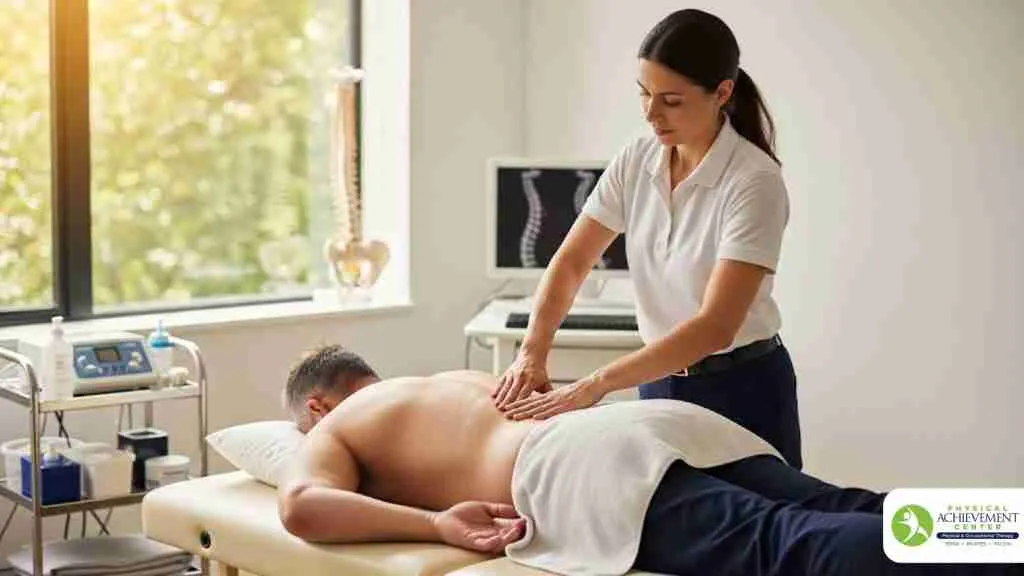
Back pain is one of the most common reasons for seeking medical care, and many people experience this pain at some point. While some cases resolve on their own, persistent symptoms can affect daily activity and overall well-being. Surgical interventions are generally reserved for specific conditions that do not respond to other approaches. Many individuals find relief through non-surgical measures designed to address pain, mobility, and function.
What Causes Back Pain?
Back pain develops from injuries, degenerative changes, or structural problems affecting the spine, muscles, or ligaments. Frequent heavy lifting or sudden awkward movements can injure back muscles and ligaments. Poor physical conditioning may contribute to muscle strains, which often result in an acute onset of pain.
Spinal disks act as cushions between vertebrae. The inner material of a disk can bulge or rupture, sometimes pressing on nerves. While disk changes may be detected on imaging, not all disk abnormalities cause symptoms. Osteoarthritis may develop in the lower back. This occasionally contributes to spinal stenosis, which narrows the space around the spinal cord. These degenerative changes produce pain or limit mobility over time. Osteoporosis weakens bone structure, making the vertebrae susceptible to painful compression fractures from minor stresses.
What Symptoms Can Accompany It?
Back pain presents itself in several ways. Pain may be concentrated in one area of the back, described as dull, sharp, or throbbing. Movement often worsens the discomfort, while rest may reduce it. Symptoms that can accompany pain include:
- Radiating Pain: Irritated or compressed nerve roots can cause shooting pain that travels from the lower back into the buttock and leg, such as with sciatica.
- Stiffness and Reduced Mobility: Individuals may have difficulty moving, especially after long periods of sitting or standing.
- Muscle Spasms: Tightness or involuntary muscle contractions in the back may occur alongside pain, possibly making movement more difficult.
How Is It Treated?
Non-surgical treatments are the primary approach for most individuals with back pain. These strategies focus on relieving symptoms and improving function. Physical therapists use exercises to enhance flexibility, strengthen muscles, and improve posture. A tailored exercise program aims to restore movement and reduce the risk of pain recurrence.
Non-prescription pain relievers can address mild to moderate symptoms for many individuals. Muscle relaxants may be prescribed for more severe pain related to spasms. Corticosteroid injections into the epidural space around the spinal cord may be recommended if other methods do not reduce pain. These injections can decrease inflammation near nerve roots, though relief is temporary. Proper ergonomics, including chair height and workstation setup, can help limit the strain placed on the spine during daily activities.
Speak To a Specialist
Persistent or severe back pain may require evaluation by a specialist. A pain management specialist can assess symptoms and recommend an appropriate treatment plan. Early assessment helps address underlying causes and provides options that align with personal health goals. If back pain restricts daily activity or is associated with other concerning symptoms, reaching out to a specialist can guide the next steps in care and recovery.
- How to Compare Non-Surgical Skin Tightening Options
- Exploring Next-Generation Wellness Trends: A Beginner’s Guide to Advanced Health Peptides
- Comprehensive Approaches to Mental Health and Behavioral Support
- Accessible Home Modifications for Seniors and Handicapped Individuals
- 6 Bathroom Renovation Resources Spokane Homeowners Can Use for Safer, Easier-Care Spaces