

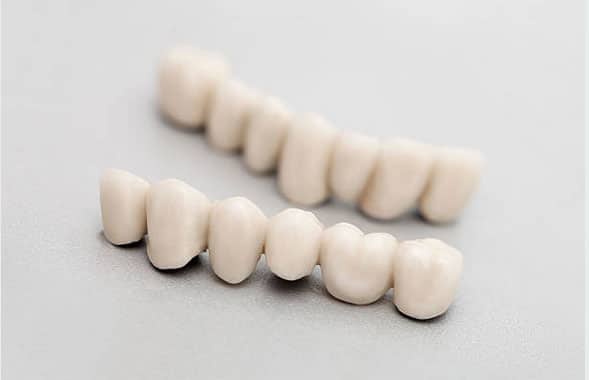
Dental crowns function as protective caps, and they can cover damaged or decayed teeth entirely. Because the cap encases the visible portion, it aims to restore the original shape and size. Your dentist cements the restoration permanently into place, and it strengthens the underlying structure immediately. Here is information about choosing the ideal type of dental crowns:
Ceramic Crowns
Because they contain no metal, all-ceramic crowns offer an excellent biocompatible solution. Some patients have metal sensitivities, so this option may help prevent adverse tissue reactions. Pressed ceramic provides a solid core for the dental restoration in most cases. Zirconia is a type of strong ceramic, and it offers exceptional durability for patients.
These restorations typically function well for highly visible areas in the front of the mouth. While they are durable, they are sometimes less resistant to fracture than metal. The material is translucent, and it allows light to pass through naturally. If you prioritize aesthetics above all else, all-ceramic crowns may adequately serve your needs.
Porcelain Crowns
Since aesthetics may matter greatly to many patients, porcelain crowns remain a practical choice for restoring a tooth. This specific material mimics the light-reflecting properties of your natural tooth enamel. The texture typically feels smooth to the tongue, and the appearance blends with neighbors. While they look authentic, solid porcelain crowns might chip under heavy biting pressure.
Porcelain-fused-to-metal dental crowns combine two distinct materials, and this creates a strong restoration. The underlying metal structure provides specific durability for the prosthetic tooth during daily use. While the metal adds strength, the porcelain overlay maintains a white, tooth-like appearance. A dark line may show at the gums, yet the tooth stays strong.
Modern dentistry utilizes specific shades to match your surrounding natural teeth accurately. The fabrication process takes time, but the final result looks incredibly realistic. When the restoration is placed correctly, distinguishing it from natural teeth becomes difficult. Routine brushing maintains the brightness of the porcelain surface for years.
Metal Alloys
Gold alloys contain a mix of metals, and they withstand heavy chewing forces easily. These restorations rarely chip or break during daily function in the back of the mouth. Since less enamel removal is needed, the conservative preparation may preserve your natural structure. Typical metals used in these mixtures may include the following elements:
- Gold
- Platinum
- Palladium
- Nickel
Metal alloys are highly durable and may provide long-lasting restorative solutions for your teeth. They are particularly useful for molars and premolars, where the forces of chewing are most intense. While they may not match natural tooth color, their strength and resilience make them a practical choice for patients with areas of the mouth where function takes precedence over appearance.
Get Dental Crowns Today
When a tooth requires significant repair, a crown offers a reliable long-term solution. Contact a dental office today to discuss your restoration options with a team of professionals. They can evaluate your oral health needs, and they can help you select the right material. Because every case is unique, a dentist can evaluate your situation and provide personalized guidance for your care.
- Planning Chiropractic Visits Around Pain, Recovery, and Daily Life
- When Should You Speak to a Casselberry Car Accident Lawyer?
- How Corporate Lawyers Help Companies Manage Risk and Compliance
- Ken Raymie: Why a Healthy Work-Life Balance Matters for Today’s Workforce
- How to Buy Antique Furniture at Auction Without Overpaying