

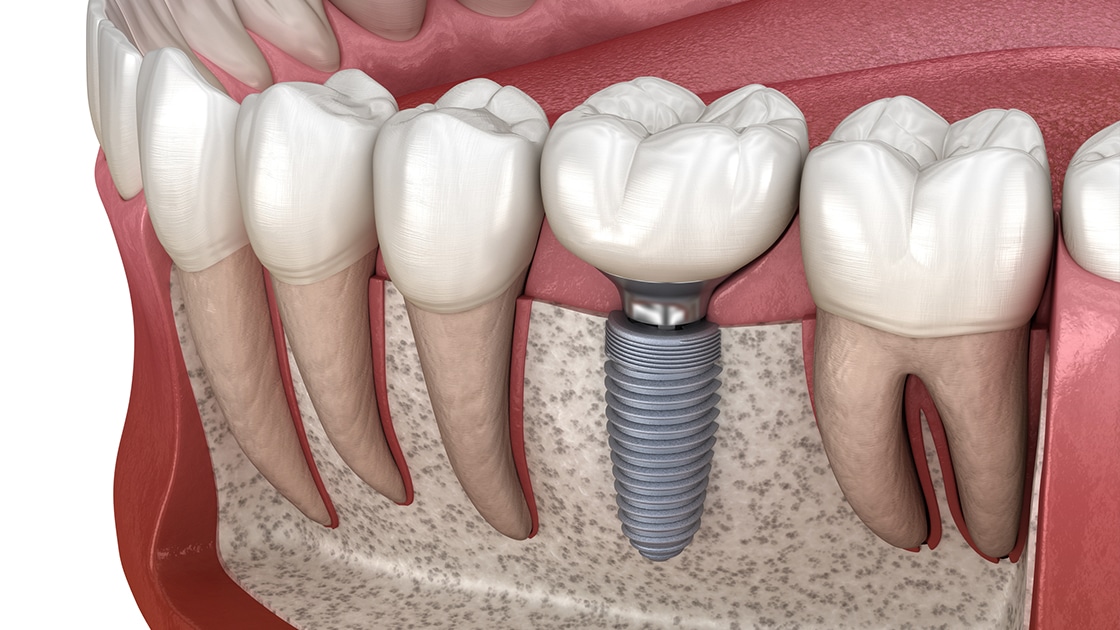
When you visit your dentist for a cavity treatment, the goal is to restore the function and integrity of your tooth. Dental fillings are the standard solution for repairing minor to moderate tooth decay, cracks, or fractures. This restorative procedure involves removing the damaged portion of the tooth, and dentists then fill the empty space with a specific material. While the process is common, many patients are unaware that several different materials and methods are available. Understanding these options can help when discussing treatment plans with your dental professional.
Direct Fillings
Direct fillings are the most common type of restoration, and your dentist can usually place them in a single visit. The process involves placing a soft or malleable filling material directly into the prepared cavity, where it quickly sets hard. This approach is generally less invasive and more time-efficient than other methods.
Several materials fall under this category:
- Amalgam Fillings: Manufacturers produce these silver-colored fillings by mixing metals such as silver, tin, zinc, copper, and mercury. They are known for their strength and durability, making them suitable for back teeth that endure heavy chewing forces.
- Composite Resin Fillings: Manufacturers create these tooth-colored fillings by mixing plastic and fine glass particles. They bond to the tooth, so they often need less drilling than amalgam fillings and preserve more natural tooth.
- Glass Ionomer Fillings: Made from acrylic and a specific type of glass material, these fillings release fluoride, which can help protect the tooth from further decay. They are often used for fillings below the gum line or for young children, although they are generally weaker than composite resin.
Indirect Fillings
Indirect fillings are quite different because they are created outside of the mouth, usually in a dental laboratory. This method requires two visits: one to prepare the tooth and take an impression, and a second to cement the restoration into place. These restorations are often referred to as inlays or onlays. An inlay fits within the cusps (bumps) of a tooth, and an onlay covers one or more cusps.
Dentists often recommend indirect fillings when the tooth structure is too damaged to support a regular filling but not damaged enough to require a full crown. Dentists typically use porcelain, gold, or composite resin for indirect fillings; many favor porcelain for its aesthetic appeal, since it mimics the translucency and color of natural enamel. Gold remains the most durable option available. It lasts for many years, though its appearance is not to everyone’s liking.
Key Factors
Choosing the right filling material involves balancing several practical aspects. Your dentist will evaluate the location of the cavity, as back teeth require stronger materials than front teeth. The extent of the decay is also significant; larger cavities may require structural support from an indirect filling. Durability is another factor, as some materials like gold or amalgam tend to last longer than resin options. Aesthetic preferences play a significant role, as many patients prefer materials that blend seamlessly with their natural smile. Your dentist takes into account your dental history and current oral health to recommend the safest and most effective option for your specific situation.
Ask Your Dentist Today
Navigating dental procedures can sometimes be challenging, but you do not have to make these decisions alone. Your dental team is there to support you and explain which filling type offers the best outcome for your oral health. If you suspect you have a cavity or need to replace an old restoration, schedule a consultation soon. Open communication helps you receive care that is comfortable, effective, and tailored to your needs.
- How to Compare Non-Surgical Skin Tightening Options
- Exploring Next-Generation Wellness Trends: A Beginner’s Guide to Advanced Health Peptides
- Comprehensive Approaches to Mental Health and Behavioral Support
- Accessible Home Modifications for Seniors and Handicapped Individuals
- 6 Bathroom Renovation Resources Spokane Homeowners Can Use for Safer, Easier-Care Spaces