

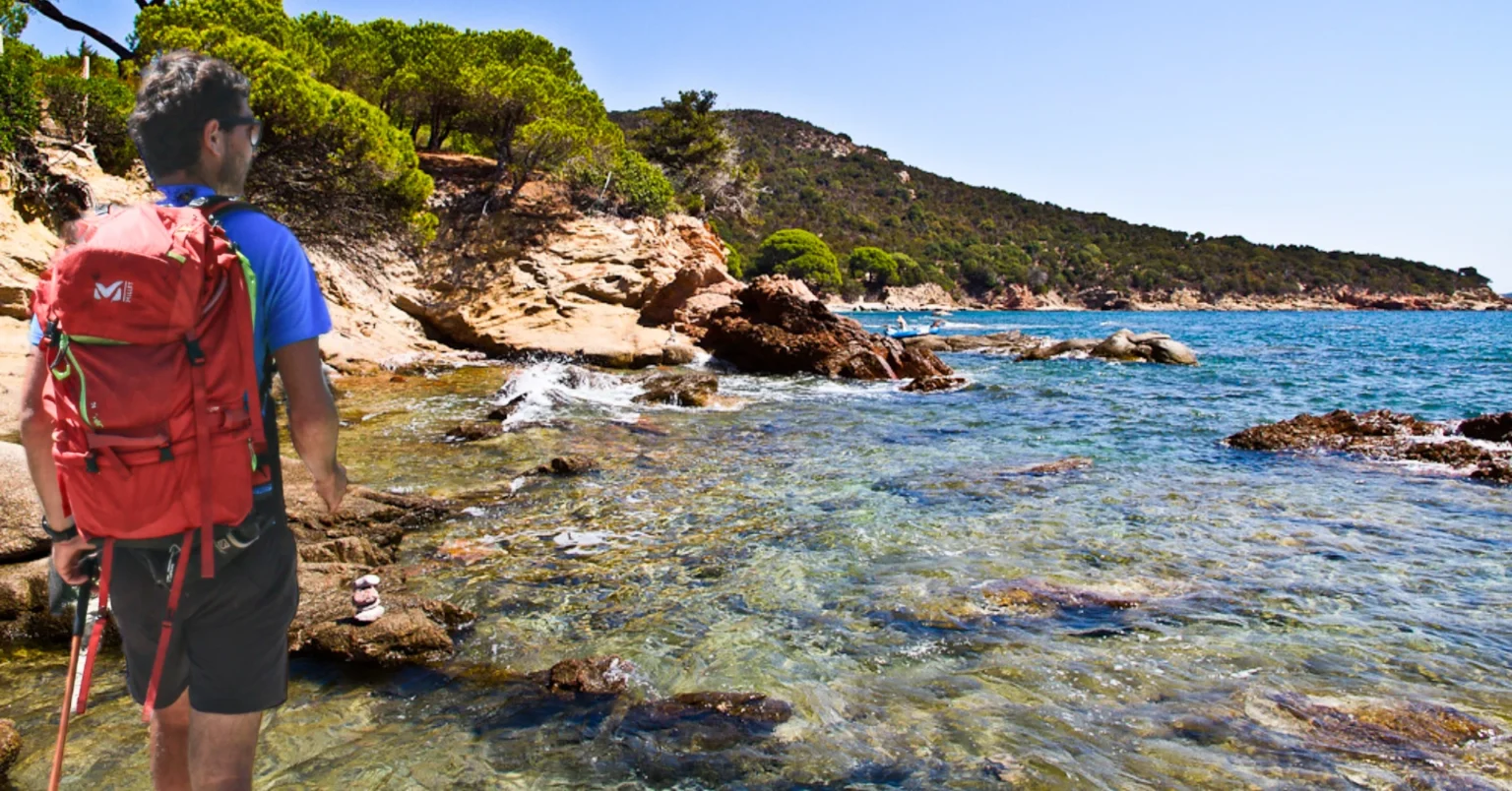
Planning a coastal adventure without the crowds might seem daunting, but it’s not only possible—it’s the perfect way to experience breathtaking ocean views in tranquility. Imagine walking along the shore with the sound of waves being the only background music, rather than the chatter of tourists. By being a bit more strategic, you can turn this dream into a reality.
Start by choosing less-traveled coastal destinations. Popular hotspots often steal the spotlight, but hidden gems exist and usually offer a richer experience without the throngs of people. Look beyond the obvious locations and go for quieter, local beaches.
Time your visits wisely. Opt for days and seasons when fewer people are likely to flock to these places, such as weekdays or during the shoulder seasons. This simple tweak can make a huge difference in your journey, ensuring that your coastal adventure remains serene and personal.
Choosing Your Hidden Coastal Destination
Explore the charm of less-frequented beaches by doing thorough research, selecting the right time for a peaceful visit, and considering the benefits of traveling during the off-season to enhance your coastal adventure experience.
Researching Underrated Beach Spots
Start by exploring areas that are overlooked by many travelers but offer stunning experiences. Utilize online resources such as travel blogs, forums, and social media groups where fellow adventurers share hidden gems.
Websites like Atlases Obscura and Hidden Beaches often list secret locations and lesser-known coastal spots. Local tourism boards can also provide information about quiet beaches that don’t make the usual top ten lists.
Ask locals about their favorite secluded beaches. Their tips might lead you to places that aren’t widely publicized. You could also use Google Earth to identify coastal areas with fewer amenities, often indicating less tourist traffic. Take the time to compile a list of potential destinations, and consider the logistics of reaching each one, such as transportation and accommodation availability.
Timing Your Trip for Solitude
Selecting the right time is crucial to ensuring a quiet coastal escape. Mid-week trips are usually less crowded than weekends. Morning hours are also ideal for solitude, as beachgoers typically arrive later in the day. Keep in mind the importance of weather when planning; a cloudy day may deter crowds but still offers beautiful seaside views.
Explore seasons beyond summer for a different kind of beauty. Fall and spring often provide splendid temperatures without the bustling summer crowds. Create a list of the area’s busiest events and local holidays to avoid overlapping with them, ensuring a quieter experience. Booking accommodations in advance during less popular times can also offer better rates and availability.
Considering Off-Season Adventures
Venturing out during the off-season is a strategic move for finding peace away from the masses. Prices for flights and accommodations often drop significantly after the peak tourist months, making it more economical to travel. You might experience cooler temperatures, but the serenity of an empty coastline can be worth it.
Be prepared for limited restaurant and shop hours, as many businesses might close for the season. Bring necessary supplies with you. Additionally, consider the season-specific activities available, such as whale watching in the winter or picturesque walks along fog-draped shores in the spring. Off-season traveling rewards those who appreciate nature’s quiet beauty and are prepared to embrace its shifting moods.
Crafting the Perfect Itinerary
To enjoy a coastal adventure without the hustle and bustle, pay attention to planning routes that offer scenic beauty, discovering hidden natural gems, and organizing peaceful activities.
Mapping Out Scenic Routes
Embarking on a less-traveled path can reveal breathtaking vistas. Start by choosing smaller coastal roads over busy highways. Not only will you enjoy unique sea views, but you’ll also encounter local gems like quaint villages and picturesque landscapes. Consider time of day: traveling early or late can enhance your experience as the light changes and crowds thin.
If you’re keen on walking or cycling, research local trails that hug the coastline or lead to secluded beaches. Websites and apps can help you find interactive maps to guide your journey. Pay attention to road conditions and ensure the routes fit your mode of travel, whether it’s a road trip or a cycling tour. Occasional detours to see a tidal pool or cliff lined with wildflowers can make your exploration richer and more memorable.
Locating Secluded Natural Attractions
The charm of secluded natural attractions lies in their tranquility. Discover less-known spots by talking to locals or exploring forums that focus on hidden treasures. Nature reserves, lesser-known coves, and overlooked parks commonly offer solitude away from tourists.
Use guidebooks or GPS to pinpoint exact locations. Remember that exploring such spots might require a bit of effort, such as hiking over rugged terrain or crossing rocky paths. Bring essentials like water, snacks, and appropriate gear for an unexpected shift in weather or an extended stay. Appreciate the unspoiled beauty of these hidden attractions and ensure your visit leaves no trace on the environment.
Planning Activities for Tranquility
Focus on restful pursuits that let you soak in the coastal ambiance. Engage in activities like beachcombing, birdwatching, photography, or a tailored sailing experience that allows you to explore quieter stretches of coastline at your own pace.
Check local schedules for yoga classes by the sea or art workshops in nearby towns. Inviting experiences like meditation or a picnic by the ocean can be deeply fulfilling. Always consider the weather and tides, and have a backup plan in case your original idea isn’t feasible. Prioritize relaxation and creativity to make your adventure both peaceful and rewarding.
Sustainable and Respectful Coastal Travel
Embark on your coastal adventure with a focus on sustainability and respect for the environment. By choosing low-impact practices, engaging with local communities, and preserving natural habitats, you create memorable experiences while protecting these delicate landscapes.
Packing Essentials for Low-Impact Exploration
When preparing for your coastal journey, pack wisely to minimize your environmental footprint. Opt for reusable items like water bottles, utensils, and shopping bags to reduce waste. Consider clothing made from sustainable materials, such as organic cotton or recycled fabrics, which are kinder to the planet.
Leave no trace by bringing biodegradable toiletries and storing them in eco-friendly containers. Hiking boots should have minimal tread to avoid damaging fragile ecosystems.
A smart packing list helps you respect each destination as you explore. It’s amazing how thoughtful packing can make a difference!
Connecting With Local Communities
One of the joys of traveling along coastlines is engaging with the residents. Spend time in local markets and try regional specialties. Authentic experiences not only enrich your adventure but also support the local economy.
Learn about local customs and traditions, showing appreciation for their cultural heritage. A warm smile and a few words in the local language can build connections.
Volunteering with community-based projects is another way to give back. Contact local organizations for opportunities to assist in environmental conservation or community development.
Preserving Coastal Environments
Your actions can help safeguard these precious ecosystems for future generations. Stay on marked trails to protect delicate plant life, and avoid disturbing wildlife.
Participate in beach clean-ups or other conservation activities during your visit. Dispose of waste properly, ensuring nothing is left behind.
If you enjoy water activities, opt for eco-friendly sunscreen to prevent harm to marine life. Educate yourself about local environmental issues, allowing you to make informed choices during your stay. Respecting nature means you can enjoy its beauty fully, without compromising its health.
Conclusion
Planning a coastal adventure without the crowds comes down to being intentional about where you go, when you travel, and how you explore. By choosing lesser-known destinations, visiting during quieter times, and creating a thoughtful itinerary, you can experience the coast in a more peaceful and personal way.
Embracing sustainable travel practices and connecting with local communities adds even more depth to your journey. With a little preparation and curiosity, you’ll discover that the most memorable coastal experiences often happen far from the busiest shores—where nature feels untouched and the moment is truly your own.
- Exploring Next-Generation Wellness Trends: A Beginner’s Guide to Advanced Health Peptides
- Comprehensive Approaches to Mental Health and Behavioral Support
- Accessible Home Modifications for Seniors and Handicapped Individuals
- 6 Bathroom Renovation Resources Spokane Homeowners Can Use for Safer, Easier-Care Spaces
- How R&D Center Helps People Find Personalized Drug Treatment in Philadelphia, Pennsylvania