

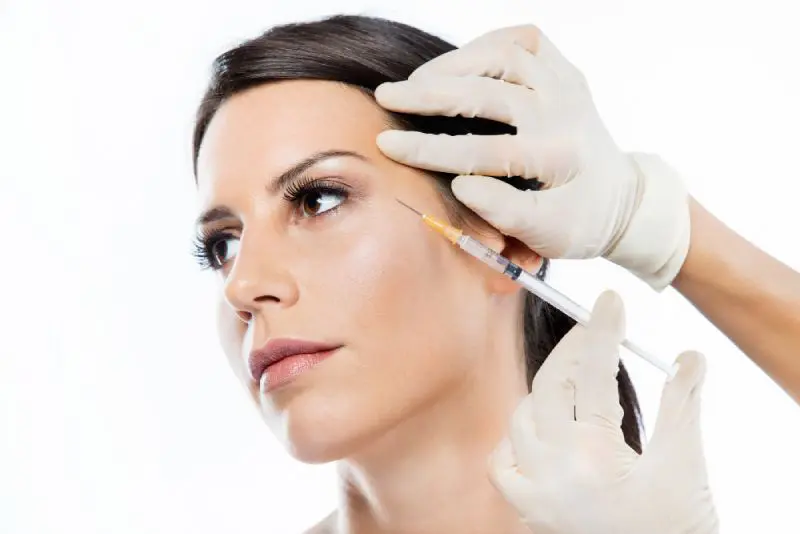
Medical science is continuously exploring new applications for existing treatments. One area of research involves the use of neurotoxins, substances known for their effects on nerve signals. This includes their use for conditions beyond their more common cosmetic and therapeutic applications.
What Are Neurotoxins?
A neurotoxin is a substance that affects the normal function of the nervous system. In medicine, specific types of purified neurotoxins are used in very small, controlled doses to achieve therapeutic outcomes. The primary mechanism of these treatments involves blocking nerve signals to muscles, which causes temporary muscle relaxation.
This effect is widely utilized in various medical specialties. Neurotoxins can be used to manage excessive sweating. The treatment is administered through injection directly into the targeted area. Its effects are temporary, typically lasting for several months, after which nerve signaling gradually returns to its previous state. The procedure is precise and allows practitioners to target specific muscles while leaving surrounding areas unaffected.
What Is Skin Cancer?
Skin cancer develops when there is an uncontrolled growth of abnormal skin cells. This condition most often occurs on skin exposed to the sun, but it can also form on areas of the skin not ordinarily exposed to sunlight. There are several types of skin cancer, with the most common being basal cell carcinoma, squamous cell carcinoma, and melanoma.
Basal cell carcinoma is the most frequently diagnosed type. It often appears as a slightly transparent bump on the skin, though it can take other forms. It arises from the basal cells in the epidermis, the outermost layer of the skin. Squamous cell carcinoma originates in the squamous cells. It can appear as a firm, red nodule or a flat lesion with a scaly, crusted surface.
Melanoma, while less common than the other types, is more likely to grow and spread if not detected and treated early. It develops in the cells that produce melanin, which is the pigment that gives skin its color. A change in an existing mole or the development of a new, unusual-looking growth on your skin can be a sign of melanoma. Detection and diagnosis of any skin cancer type are performed by a dermatologist, often involving a skin examination and a biopsy.
How Are Neurotoxins Used?
Some research suggests that nerve signals can influence the growth and spread of certain tumors. By interrupting these signals, neurotoxins may potentially slow down the progression of the cancer cells. Injecting neurotoxins around a tumor site could disrupt the supportive environment that cancer cells need to thrive, but this application is not a standard treatment for skin cancer. Research into the fundamental biological processes may determine if this method could one day become a viable part of a treatment plan, perhaps in conjunction with established therapies like surgery or radiation.
Speak Further With a Dermatologist
Navigating information about skin cancer and potential treatments requires guidance from a qualified medical professional. A dermatologist possesses the specialized knowledge to diagnose and manage skin conditions, which include different forms of skin cancer. They can provide a thorough skin examination and perform necessary diagnostic tests, helping to explain the established treatment options available to you.
- Ensuring Flawless Audio with Professional Event DJ Services
- 6 Best AI Recruiting Platforms And Applicant Tracking Systems
- 6 Best Walk-In Tub Installers In Sacramento And The Bay Area
- Understanding the Benefits of Hormone Optimization Therapy
- Fort Lauderdale, Florida Property Cleanout Guide: How to Plan a Smooth Clear-Out