

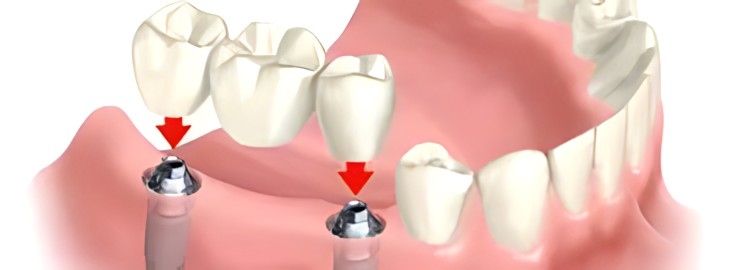
Restorations for missing teeth restore both function and aesthetics to a patient’s smile. A dental bridge spans the gap created by one or more missing teeth. It provides several benefits, and it is a reliable alternative to other replacement options. While patients gain improved chewing ability, they may also maintain their natural facial shape.
Replacing Missing Teeth
A dental bridge is a restoration that is fixed in place to replace missing teeth. It anchors an artificial tooth to the adjacent natural teeth or implants. These adjacent teeth act as abutments, and they support the false tooth or teeth in the middle. The false tooth replaces the missing structure completely.
The process involves reshaping the abutment teeth to accommodate crowns. A dental provider takes impressions of your mouth, because the laboratory needs these molds to create the custom prosthesis. The fixed piece fits securely, and it functions like natural dentition.
There is another option for dental bridges called a Maryland bridge, which is attached to the back sides of the surrounding natural teeth with tabs or wings. The wings are bonded to the natural teeth with resin. A Maryland bridge is strong enough to withstand the chewing forces in the front of the mouth, so dentists typically use these bridges to replace front teeth.
Gaining Functional Advantages
Dental bridges offer multiple physical benefits for patients missing teeth. The replacement prevents remaining teeth from shifting out of position. Shifting teeth cause bite issues, and they create complications for the jaw joint. The fixed nature of the appliance means it stays in place until a dental provider removes it in order to replace it if damaged or worn.
Evaluating Long-term Results
Patients experience immediate improvements after receiving this restoration. The results look natural, and the materials blend well with surrounding enamel. If a dentist uses porcelain for the bridge, it can be matched to the shade of your natural teeth.
With proper care, a bridge lasts for five to 15 years. Some restorations last even longer if the patient maintains excellent oral health. The lifespan depends heavily on the health of the supporting abutment teeth, and good hygiene habits extend the durability of the appliance significantly.
Managing Daily Maintenance
Daily life with a new restoration requires a consistent oral hygiene routine. Brush twice a day, and floss daily to remove plaque. When you clean underneath the false tooth, you may need to use special floss threaders or small, specialized brushes that can clean between teeth.
Hard foods can damage the prosthetic materials. Patients should avoid chewing on ice or hard candies, because these items can chip the porcelain. Regular dental checkups allow your provider to monitor the condition of the restoration. The provider cleans the area thoroughly during these visits, and they check the integrity of the cement.
Ask About a Dental Bridge
A fixed restoration provides a secure way to replace missing teeth. It prevents neighboring teeth from shifting, and it restores your ability to chew comfortably. Daily maintenance involves standard brushing and specialized flossing techniques. The results can look natural and last for many years. If you want to learn more about dental bridges, consult a dental provider near you.
- Planning Chiropractic Visits Around Pain, Recovery, and Daily Life
- When Should You Speak to a Casselberry Car Accident Lawyer?
- How Corporate Lawyers Help Companies Manage Risk and Compliance
- Ken Raymie: Why a Healthy Work-Life Balance Matters for Today’s Workforce
- How to Buy Antique Furniture at Auction Without Overpaying