

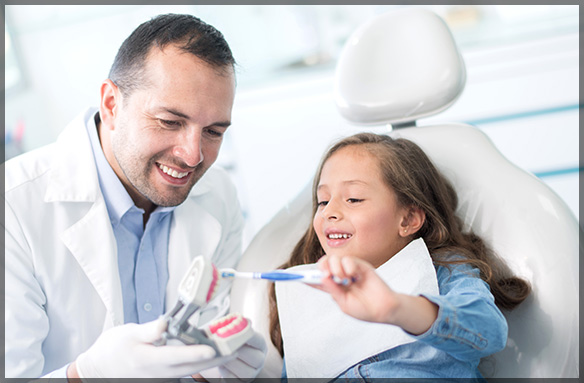
Teaching children about healthy oral habits early can help build routines that support long-term dental health. A pediatric dentist plays a fundamental role in this process; they offer guidance that helps children understand and follow brushing, flossing, and regular dental visits. Here is a closer look at fun and engaging ways to teach kids about dental hygiene:
Making Daily Dental Care Fun
Implementing interactive modules during daily brushing establishes a structured routine for children. These structured activities provide clear guidance, and they make sure the child completes the full two-minute brushing cycle. Here are ways to make daily dental care fun:
- Music timers: Playing a two-minute song dictates the exact duration required for thorough plaque removal.
- Reward charts: Tracking brushing sessions with visual markers provides empirical data on the child’s compliance.
- Mirror demonstrations: Showing the child how to brush their teeth in front of a mirror allows for real-time visual correction.
- Storytelling: Creating a story about plaque monsters or superhero toothbrushes can engage the child’s imagination and motivate them to brush their teeth regularly.
- Role-playing: Allowing the child to pretend to be a dentist or use “magic” toothpaste can make brushing feel like a game rather than a chore.
These standard practices make brushing fun, and they establish a reliable framework for daily dental hygiene.
Teaching Through Play
Educational media serve as a practical tool for explaining complex biological processes to young patients. Since children understand narratives better than clinical lectures, books and videos translate oral health concepts into accessible formats. Caregivers may use these resources to demonstrate plaque formation and highlight the mechanical action of brushing.
Interactive play allows children to practice dental care on inanimate objects like dolls or models. This hands-on experience demystifies the brushing process, and it prepares the child for their own oral care routine. Visual aids illustrate the cause-and-effect relationship between sugar consumption and tooth decay. When parents show diagrams of the mouth, kids may visualize the areas that require the most attention.
Preparing for Dental Visits
Visiting a pediatric dentist provides fundamental diagnostic information regarding a child’s oral development. Although clinical environments sometimes intimidate young patients, parents can use preparation techniques to manage expectations. Discussing the upcoming pediatric dentist appointment in a neutral tone normalizes the procedure, and it prevents anticipatory concern. While reading books about dentists is helpful, conducting a mock exam at home may yield practical benefits. Caregivers should deliberate on various methods to familiarize children with dental instruments.
Building Lasting Habits
Establishing permanent habits requires daily repetition and structural support from primary caregivers. Children often mimic adult behavior; parents should demonstrate optimal brushing techniques during their own routines. Here are ways parents and caregivers can build lasting habits:
- Shared routines: Brushing together at the same time each morning and evening standardizes the household schedule.
- Equipment selection: Permitting the child to choose their own toothbrush design increases their willingness to participate.
- Dietary guidelines: Limiting sugary snacks can reduce bacterial proliferation on dental enamel, promote healthy eating habits, and support overall oral health.
- Positive reinforcement: Rewarding positive behavior, such as consistent brushing or sitting still during dental appointments, encourages children to continue these actions.
- Role modeling: Children learn by example, so it is key for parents to practice good oral hygiene habits themselves.
Consistent application of these protocols can aid in proper dental development.
Visit a Pediatric Dentist Today.
Dental hygiene education combines daily at-home practices with regular clinical evaluations. As children learn through structured activities and play, they adopt the mechanics of proper oral care. Caregivers should implement consistent routines and schedule regular professional cleanings. Contact a qualified pediatric dentist near you to schedule your appointment today.
- Planning Chiropractic Visits Around Pain, Recovery, and Daily Life
- When Should You Speak to a Casselberry Car Accident Lawyer?
- How Corporate Lawyers Help Companies Manage Risk and Compliance
- Ken Raymie: Why a Healthy Work-Life Balance Matters for Today’s Workforce
- How to Buy Antique Furniture at Auction Without Overpaying