

Key Takeaways
- Emerging technologies are revolutionizing dental diagnostics and treatments.
- Preventive care innovations are making oral hygiene more accessible and effective.
- Educational initiatives are empowering individuals to take charge of their oral health.
Table of Contents
- Advancements in Dental Technology
- Preventive Care Innovations
- Educational Initiatives
- Integrating Oral and General Healthcare
- The Role of Artificial Intelligence in Dentistry
- Robot-Assisted Dental Procedures
- Regenerative Dentistry
- Conclusion
Maintaining optimal oral health is fundamental to a person’s well-being, and advancements in modern dentistry are making it easier to achieve. Dentistry is evolving with exciting developments, such as digital imaging, laser therapies, and restorative procedures, all designed to deliver effective, lasting care. One major milestone in oral health is the progress seen in dental implants, which provide reliable and natural-feeling restorations for patients who have lost teeth. This progress, along with changes in preventive care and patient education, is revolutionizing how people approach oral hygiene and dental maintenance.
Innovative products and digital tools are also helping people maintain healthy smiles, and dental professionals now have access to rapid diagnostic techniques and highly detailed imaging. These innovations create new possibilities for prevention and early intervention, leading to better outcomes for patients. Closely linked to these advances is a greater emphasis on integrating oral and general healthcare, as research shows a clear connection between the health of your mouth and your body as a whole. As solutions become more personalized, patients benefit from treatment experiences that are not only more comfortable but also more successful in the long term.
Advancements in Dental Technology
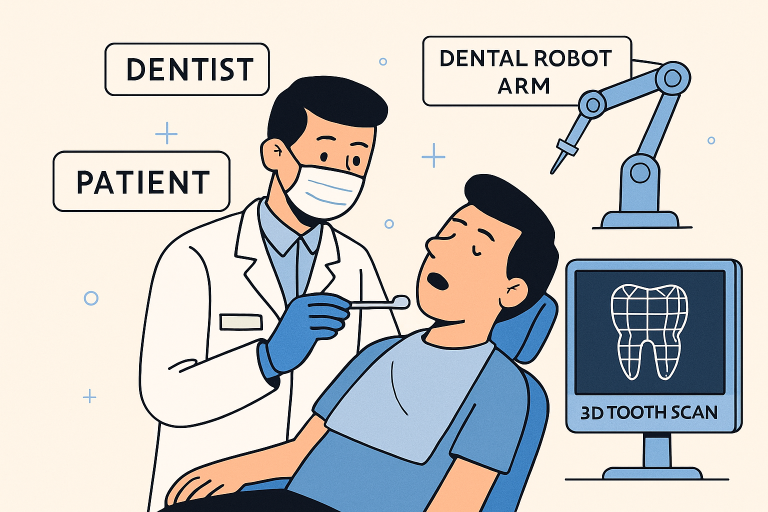
Dental practices are experiencing a surge in cutting-edge technologies that enhance both clinical results and patient comfort. For instance, the introduction of computerized tomography (CT) scans has enabled dentists to see highly detailed, 3D images of teeth and bone structure, leading to more precise diagnoses and treatment planning. Additionally, the development of robotic systems like DentiBot is revolutionizing root canal procedures by automating complex movements, helping to increase accuracy and reduce time in the chair.
Laser dentistry is another area rapidly gaining traction. Laser tools allow for less invasive procedures with minimal discomfort, reduced bleeding, and quicker recovery. These developments are making common dental treatments faster and more tolerable, encouraging more people to seek timely dental care.
Preventive Care Innovations
Preventive care is the backbone of long-term oral health. Innovations such as lozenges like BioGaia Prodentis® highlight a new trend toward products that neutralize harmful mouth acids and foster healthy bacteria. This is a significant advancement because maintaining proper mouth pH helps prevent cavities and gum disease, while encouraging beneficial microbes supports overall oral wellness.
Electric toothbrushes equipped with artificial intelligence can also guide users to brush more effectively, providing real-time feedback on missed areas and pressure applied. Additionally, smart dental flosses and mouthwashes are designed to target specific problem areas and deliver customized care. These efforts make preventive practices easier to adopt and maintain over a lifetime.
Educational Initiatives
Increasing access to dental education is pivotal in promoting lifelong oral health. Schools and community programs play a crucial role by teaching the importance of dental hygiene at an early age. One example is the UT Health San Antonio School of Dentistry’s program, which empowers teachers to become oral health advocates and extend their influence beyond the classroom. This community-centered approach equips children with knowledge they can apply throughout their lives.
Online resources from authoritative health sites provide easy-to-understand, evidence-based information for people of all ages. These resources are vital for empowering patients and equipping them with practical habits and knowledge to prevent disease and keep their teeth healthy for life.
Integrating Oral and General Healthcare
The connections between oral and systemic health are becoming widely recognized in both research and practice. Health organizations worldwide now emphasize that problems in the mouth, such as chronic gum infections, can influence conditions like diabetes and heart disease. Some dental programs, including the SMILE Health initiative, have begun to collaborate with healthcare startups to blend dental and general medical care, fostering holistic health solutions for patients.
This integrated care model ensures that patients receive coordinated attention for their oral and physical health, resulting in more effective management of chronic diseases and improved overall well-being.
The Role of Artificial Intelligence in Dentistry
Artificial intelligence is reshaping dental care by streamlining diagnosis and treatment planning. Advanced vision models, like DentVFM, can rapidly analyze dental radiographs, detecting cavities, bone loss, or abnormalities with high precision. These AI-powered tools assist clinicians by reducing the risk of oversight, increasing diagnostic speed, and supporting more consistent results.
AI also plays a role in administrative work, helping practices enhance efficiency and improve patient scheduling, billing, and follow-up systems. As this technology matures, patients and providers alike benefit from smarter workflows and more effective care pathways.
Robot-Assisted Dental Procedures
Robotic assistance is now crucial in many dental surgeries. Precision-driven technologies, such as the haptic bilateral teleoperation system, give dentists enhanced control for complex, minimally invasive treatment procedures. These robotic systems improve not just surgical precision but also patient comfort, minimizing complications and reducing healing times.
The adoption of robot-assisted techniques is transforming routine care into exceptionally accurate and reliable experiences for patients, particularly in implantology and restorative dentistry.
Regenerative Dentistry
Regenerative dentistry represents the frontier of restorative dental care. By stimulating the body’s natural repair processes, techniques in this field promise to repair teeth and gum tissues that were once thought to be irreversibly damaged. Innovations such as stem cell therapies and tissue engineering are moving closer to making it possible to regrow enamel, dentin, and even entire teeth.
As research progresses, the future of dentistry could rely less on synthetic materials and more on the body’s capability to rejuvenate itself, ultimately improving the patient experience and outcomes over a lifetime.
Conclusion
The future of oral health is bright, thanks to the innovations in technology, preventive care, education, and integrated healthcare models. These advancements help people take a more proactive and empowered role in their dental care while ensuring treatment is efficient, precise, and comfortable. As the dental profession continues to evolve, staying informed about these changes will help everyone enjoy better oral and overall health throughout their lives.
- How to Compare Non-Surgical Skin Tightening Options
- Exploring Next-Generation Wellness Trends: A Beginner’s Guide to Advanced Health Peptides
- Comprehensive Approaches to Mental Health and Behavioral Support
- Accessible Home Modifications for Seniors and Handicapped Individuals
- 6 Bathroom Renovation Resources Spokane Homeowners Can Use for Safer, Easier-Care Spaces