

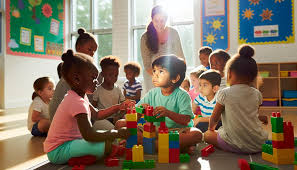
The transition into formal schooling represents one of the most significant milestones in a young person’s life. While many parents focus heavily on academic benchmarks like recognizing letters or counting to twenty, seasoned educators often point to a different set of criteria for long-term achievement. The ability to navigate a classroom environment, resolve conflicts with peers, and follow multi-step instructions stems from early social exposure. Mastering these interpersonal dynamics before the first day of elementary school creates a foundation that allows academic learning to flourish without the distraction of social anxiety or behavioral struggles.
The Development of Emotional Intelligence
In a group setting, children are constantly required to interpret the feelings and reactions of others. This process is the beginning of empathy and emotional intelligence. When a child plays alone at home, they are the center of their own universe, but a classroom requires them to understand that their peers have similar needs and desires. Learning to read facial expressions and vocal tones helps a child anticipate the needs of others, which is a vital skill for collaborative projects in later years.
Furthermore, early socialization teaches children how to regulate their own emotions. The disappointment of losing a game or the frustration of waiting for a turn are inevitable parts of life. Facing these challenges in a supportive, supervised environment allows children to practice coping mechanisms. Instead of reacting with a tantrum, a socially seasoned child learns to use their words to express frustration, a shift that is highly valued by kindergarten teachers who must manage large groups of students simultaneously.
Collaboration and the Art of Sharing
Sharing is perhaps the most difficult skill for a toddler to grasp. The concept of communal property and turn-taking is not innate; it must be modeled and practiced repeatedly. In a professional educational setting, children are exposed to the “economy of the classroom,” where resources like art supplies or playground equipment must be distributed fairly.
This environment fosters a sense of fairness and cooperation. Children begin to see the benefits of working together to build a block tower or organize a dramatic play scenario. These collaborative efforts build the communication skills necessary for the teamwork required in the primary grades. A child who enters kindergarten already understanding how to compromise is much more likely to form positive relationships with their new classmates quickly.
Building Independence Away from Home
A major hurdle for many five-year-olds is the separation from their primary caregivers. Children who have spent their entire early childhood in a one-on-one environment often struggle with the sudden independence required at school. Early exposure to a structured program, such as a reputable daycare in Taylorsville, helps bridge this gap. Being in a safe environment outside the home teaches a child that they can rely on other trustworthy adults for help and guidance.
This independence extends to self-care tasks as well. Socializing with peers often motivates children to master skills like zipping their own coats, cleaning up their designated areas, and managing their personal belongings. Seeing their friends accomplish these tasks creates a positive form of peer pressure that encourages self-sufficiency. By the time they reach the elementary level, these children are not overwhelmed by the logistical demands of a school day, leaving their mental energy free for learning to read and write.
Language Acquisition and Communication
Peer-to-peer interaction is one of the most effective catalysts for language development. While adults often anticipate a child’s needs or fill in the blanks of their sentences, other children are less accommodating. This forces a child to be more precise with their speech and to expand their vocabulary to be understood.
Engaging in complex play requires a sophisticated level of negotiation and explanation. As children explain the rules of a game to their friends, they are practicing narrative structure and logical sequencing. These verbal skills are directly linked to later literacy success. A child who can clearly articulate their thoughts is often the same child who excels at reading comprehension and creative writing because they already understand how stories and ideas are constructed through language.
Creating a Positive Attitude Toward Learning
Perhaps the greatest benefit of early socialization is the development of a positive association with the school environment. When a child’s first experiences with a classroom are filled with friendship, discovery, and supportive mentors, they develop a “growth mindset.” They view challenges as opportunities to interact with the world rather than as scary obstacles. Kindergarten is no longer just about finger painting and nap time; it has become an academically rigorous environment. Children who arrive with their social and emotional foundations already intact are at a distinct advantage. They are ready to engage with the curriculum on day one because they have already mastered the complicated, beautiful, and essential art of getting along with others.
- How to Compare Non-Surgical Skin Tightening Options
- Exploring Next-Generation Wellness Trends: A Beginner’s Guide to Advanced Health Peptides
- Comprehensive Approaches to Mental Health and Behavioral Support
- Accessible Home Modifications for Seniors and Handicapped Individuals
- 6 Bathroom Renovation Resources Spokane Homeowners Can Use for Safer, Easier-Care Spaces