

Key Takeaways:
- Early childhood educators play a pivotal role in developing foundational skills that influence lifelong learning and success.
- Quality early education fosters cognitive, social, and emotional growth, setting the stage for future achievements.
- Engaging learning environments and supportive teaching practices during the early years are crucial for holistic child development.
The Critical Role of Early Childhood Educators
Early childhood educators are far more than traditional teachers. They are the architects of young minds, nurturing cognitive, social, and emotional skills that last a lifetime. Whether working in homes, schools, or child care franchises, these professionals guide children through some of the most critical stages of growth and development.
Early experiences shape children’s cognitive and social development. Educators play a vital role in creating learning environments that nurture curiosity, creativity, and resilience, positively impacting children’s learning trajectories. Quality early childhood education goes beyond preparing for academic challenges; it fosters emotional recognition, constructive peer interactions, and self-confidence. Research highlights the significance of this education for both academic success and broader social wellbeing. During early childhood, the rapid development of neural pathways underscores the importance of age-appropriate challenges that promote cognitive growth. Educators facilitate this by integrating foundational concepts in math, language, and science through engaging, play-based learning, enhancing children’s problem-solving and reasoning skills.
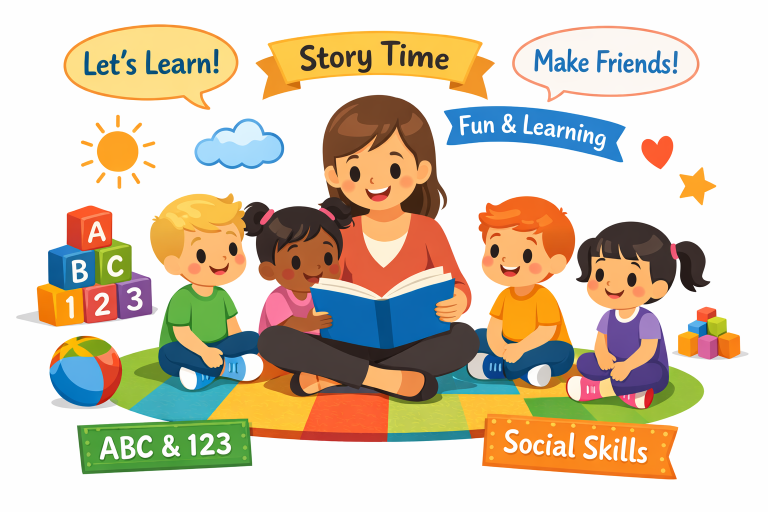
Activities such as story time, puzzles, and guided discovery build vocabulary, critical thinking, and a genuine love of learning. These experiences lay the groundwork for literacy and numeracy and support the cognitive resilience needed to persist through challenges later in life. According to Education Week, these early educational experiences promote brain development that supports ongoing curiosity and adaptability.
Fostering Social and Emotional Growth
In addition to cognitive skills, social and emotional competencies are shaped in early childhood settings. Educators model constructive communication and kindness, and they guide children in identifying their feelings, managing impulses, and collaborating with others. By practicing empathy, patience, and conflict resolution, children develop key interpersonal skills essential for lifelong success.
Programs that integrate social-emotional learning from the earliest years see students become more cooperative, self-aware, and engaged. These traits predict not only academic achievement but also healthier relationships throughout life. As highlighted by Education Week, strong social-emotional foundations help children adapt to challenges and changes, such as those presented by transitions into school or new social situations.
Creating Engaging Learning Environments
The setup and daily rhythm of early childhood classrooms can dramatically influence learning outcomes. Classrooms that prioritize hands-on exploration, open-ended play, and curiosity-driven inquiry help children become motivated learners. Thoughtfully designed environments support independence while also providing structure and security.
Educators facilitate activities that promote group cooperation, creative expression, and critical thinking. Organized spaces, accessible materials, and regular routines offer children a sense of belonging and predictability. This not only supports academic learning but underscores the value of persistence, responsibility, and community.
Implementing Effective Teaching Practices
Effective early childhood educators do more than deliver instruction. They draw on child development research to tailor their methods, offering individualized guidance and positive reinforcement. Observation and assessment enable educators to adapt activities and expectations to meet each child’s unique needs and strengths.
By incorporating play, real-world connections, and intentional social-emotional learning opportunities, teachers empower children to see themselves as capable learners. Celebrating effort, modeling resilience, and nurturing curiosity are central to building a lifelong love for discovery.
Long-Term Benefits of Quality Early Education
The advantages of quality early education extend well beyond the preschool years. Children who have access to strong early programs demonstrate higher academic achievement, improved language and reasoning skills, and greater resilience in the face of challenges. They are more likely to graduate high school, pursue higher education, and thrive socially and emotionally as adults.
Studies also suggest long-term societal benefits, such as reduced behavioral problems, increased productivity, and stronger communities. This evidence strengthens the argument for continued investment in well-trained educators and comprehensive early learning environments.
Challenges and Opportunities in Early Childhood Education
Despite its proven importance, early childhood education faces persistent challenges, including funding gaps, staffing shortages, and uneven standards across centers and regions. Advocates and policymakers are working to create sustainable solutions that attract and retain skilled educators, ensure equitable access, and continuously raise the quality of programs for every child.
These challenges present a vital opportunity for innovation and collaboration. By addressing these issues head-on, it is possible to provide all children, regardless of background or circumstance, with the skills and confidence needed for lifelong learning and achievement.
Conclusion
Early childhood educators play an irreplaceable role in nurturing the skills, attitudes, and mindsets that carry children through school and life. Their commitment to creating inclusive, stimulating, and caring environments underpins not only academic growth but emotional and social well-being. Investing in quality early childhood education is essential for fostering a future generation of confident, capable, and compassionate individuals.
- Exploring Next-Generation Wellness Trends: A Beginner’s Guide to Advanced Health Peptides
- Comprehensive Approaches to Mental Health and Behavioral Support
- Accessible Home Modifications for Seniors and Handicapped Individuals
- 6 Bathroom Renovation Resources Spokane Homeowners Can Use for Safer, Easier-Care Spaces
- How R&D Center Helps People Find Personalized Drug Treatment in Philadelphia, Pennsylvania