

In today’s fast-paced world, many people seek effective ways to alleviate stress and promote relaxation. A highly regarded method is body massage, an ancient practice celebrated for its myriad health benefits. As both an art and a science, massage therapy has evolved through centuries, intertwining cultural traditions with modern medical techniques to enhance physical, mental, and emotional well-being. This article delves into the intricacies of massage, examining its historical roots, technical methodologies, diverse styles, and its profound impact on health.
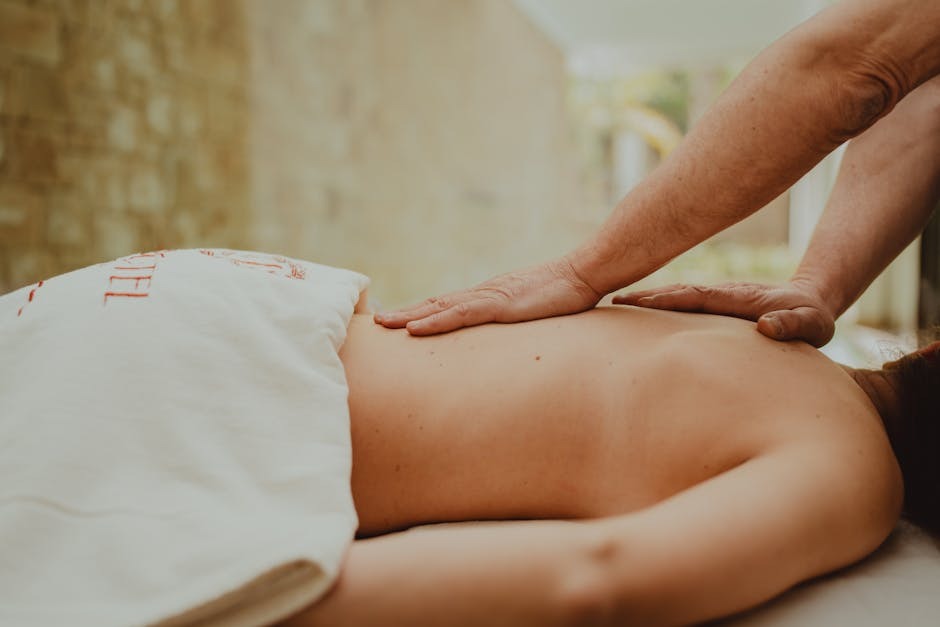
Historical Roots of Massage
Massage therapy’s origins can be traced back over 5,000 years, making it one of the oldest forms of medical treatment. Ancient civilisations, including those in Egypt, China, and India, recognised the healing potential of touch therapy. Texts such as the “Yellow Emperor’s Classic of Internal Medicine,” dating back to 2700 BCE in China, document massage techniques as part of holistic health care.
Over time, massage traditions spread globally, adopted and adapted by various cultures. The Greeks and Romans integrated massage into their medical practices, championed by figures like Hippocrates, who advocated friction and rubbing to mitigate physical ailments. This cultural diffusion laid the groundwork for the multifaceted practice of modern massage therapy.
Understanding Massage Techniques
Massage therapy encompasses a broad array of techniques, each designed to target specific health issues or enhance overall well-being. Techniques can range from light stroking to deep manual pressure, applying the therapist’s hands, elbows, fingers, or specialised tools.
- Effleurage: This technique uses long, sweeping strokes, often employed to warm up the muscles and prepare them for deeper work.
- Petrissage: Involving kneading and squeezing of muscle tissue, petrissage serves to stimulate blood flow and ease muscular tension.
- Tapotement: Characterised by rhythmic tapping or percussive actions, tapotement invigorates the nervous system and is commonly used in sports massage.
- Friction: A deep, circular rubbing action used to break down adhesions and scar tissue, promoting increased flexibility.
Choosing the right technique depends on the individual’s needs and the therapist’s expertise, forming the basis of personalised massage treatments.
A Spectrum of Massage Styles
Massage therapy is a kaleidoscope of styles, each rooted in different philosophies and addressing distinct aspects of health.
- Swedish Massage: Known as the foundation of Western massage practices, Swedish massage focuses on relaxation and increasing blood circulation through gentle, flowing strokes.
- Deep Tissue Massage: Targeting deeper layers of muscle, this style addresses chronic pain, tension, and injury recovery.
- Thai Massage: Incorporating yoga-like stretches and acupressure, Thai massage aims to balance energy and enhance flexibility.
- Shiatsu: Originating from Japan, Shiatsu utilises finger pressure on meridian points to stimulate energy flow and restore balance.
These diverse styles allow individuals to select a massage modality that aligns with their health goals, be it relaxation, pain relief, or spiritual well-being.
The Science Behind Massage Benefits
The efficacy of massage lies in its ability to synergise the body’s systems, translating touch into therapeutic benefits. Scientific research corroborates numerous physical and mental health advantages associated with regular massage therapy.
Physical Health Benefits
- Pain Management: Regular massage has been shown to reduce muscle soreness, alleviate chronic pain conditions like fibromyalgia, and improve recovery post-exercise.
- Improved Circulation: Massage enhances blood flow, facilitating oxygen and nutrient delivery to tissues and accelerating the removal of metabolic waste.
- Boosted Immunity: Studies indicate that massage can increase lymphocyte activity, fortifying the body’s immune response to pathogens.
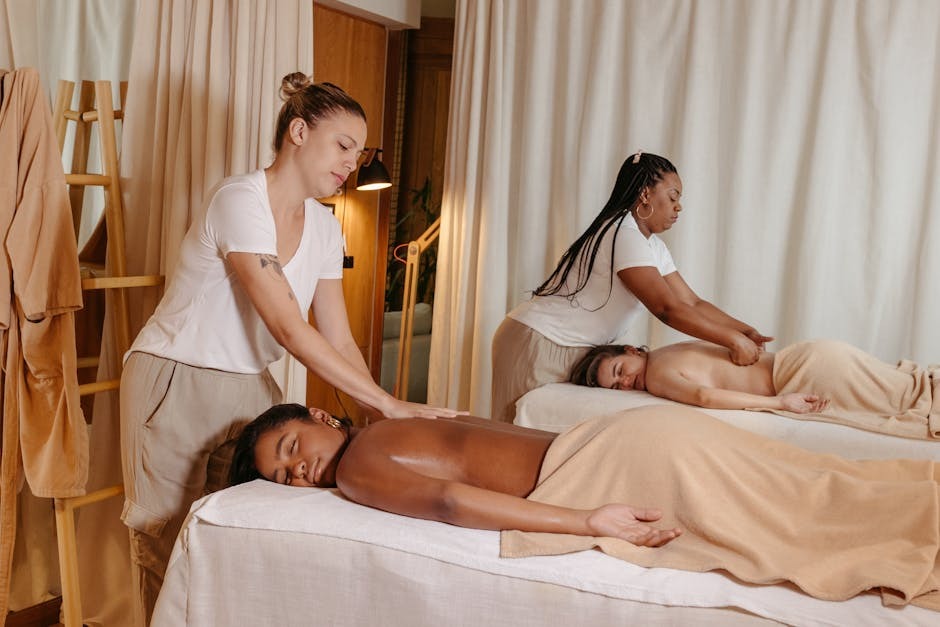
Mental Health Benefits
- Stress Reduction: Massage promotes the release of endorphins and reduces the stress hormone cortisol, diminishing anxiety levels and promoting a state of relaxation.
- Mental Clarity: By calming the central nervous system, massage therapy can enhance mental focus and reduce symptoms related to anxiety and depression.
- Better Sleep: The relaxing effects of massage extend into improved sleep quality by soothing the nervous system, making it a viable therapy for insomnia.
Professional Considerations and Ethics
The practice of massage therapy is regulated by professional standards and ethical guidelines, ensuring the safety and efficacy of treatments. Licensed massage therapists undergo rigorous training to master both the physical techniques and the interpersonal skills essential for client care. Consent, confidentiality, and client comfort are paramount, further reflecting the evolving professionalism within the massage industry.
Integrating Massage into Health Regimens
Incorporating massage into regular health and wellness routines reflects a growing trend towards holistic care. Many people now seek massage therapy not only for occasional indulgence but also as a preventative health measure to maintain bodily function and promote longevity.
Additionally, workplaces and organisations increasingly provide on-site massage services, recognising the well-being of their staff as integral to productivity and morale. This integration showcases society’s recognition of the indispensable role massage plays in comprehensive health care.
The Future of Massage Therapy
Advancements in technology and research continue to shape the future of massage therapy. Innovations such as robotic massage tools and virtual massage environments, although complementary, highlight the timeless necessity of human touch. The fusion of traditional techniques with cutting-edge innovations promises to broaden the scope and accessibility of massage therapy.
In conclusion, the domain of massage therapy represents a profound intersection of ancient wisdom and modern science, emphasising the intrinsic power of touch in healing. Through detailed understanding and application, massage continues to offer a dynamic pathway to enhanced physical health and emotional well-being for numerous individuals worldwide.
- How to Compare Non-Surgical Skin Tightening Options
- Exploring Next-Generation Wellness Trends: A Beginner’s Guide to Advanced Health Peptides
- Comprehensive Approaches to Mental Health and Behavioral Support
- Accessible Home Modifications for Seniors and Handicapped Individuals
- 6 Bathroom Renovation Resources Spokane Homeowners Can Use for Safer, Easier-Care Spaces