

The Evolution of Modern Aesthetic Treatments
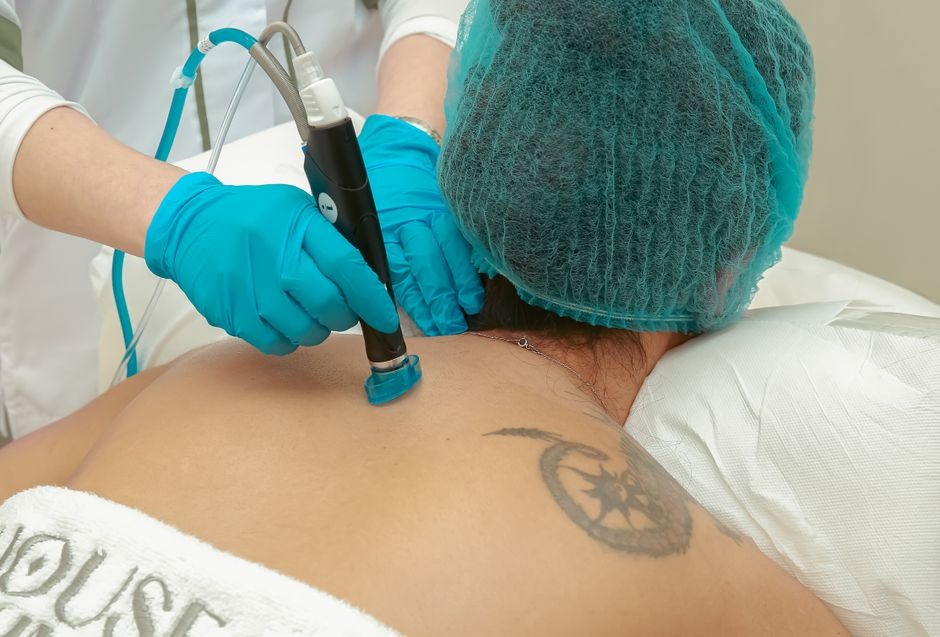
We understand that tattoo regret is a common experience. If you’re considering removing unwanted ink, you’re likely wondering about the cost. As we approach July 2026, laser tattoo removal remains the leading method for safely and effectively fading or eliminating tattoos. This process, a key part of modern Advanced Laser Aesthetic Treatments, involves a significant investment.
In this extensive guide, we will explore everything you need to know about the cost of laser tattoo removal. We’ll break down average prices per session and total treatment costs, examine the many factors that influence these costs, and compare laser removal with other methods. We will also review how many sessions are typically required, discuss insurance coverage, and identify potential hidden expenses. Our goal is to provide you with clear, comprehensive information to help you plan your journey to clear skin.
The field of aesthetic medicine has undergone a remarkable transformation, with laser technology at its forefront. What was once a permanent decision, a tattoo, can now be addressed with precision and efficacy thanks to advancements in laser systems. Modern aesthetic treatments, particularly those leveraging laser technology, offer not just tattoo removal but also a broad spectrum of skin revitalization procedures, from addressing pigmentation issues to stimulating collagen production. These non-invasive procedures have become increasingly popular due to their effectiveness, minimal downtime, and FDA clearance, which signifies their safety and reliability. However, the success and safety of these treatments depend heavily on the practitioner operating the equipment. Our commitment to providing advanced laser aesthetic treatments means we prioritize both cutting-edge technology and highly skilled professionals to ensure optimal outcomes for our clients.
Picosecond vs. Nanosecond Laser Technology
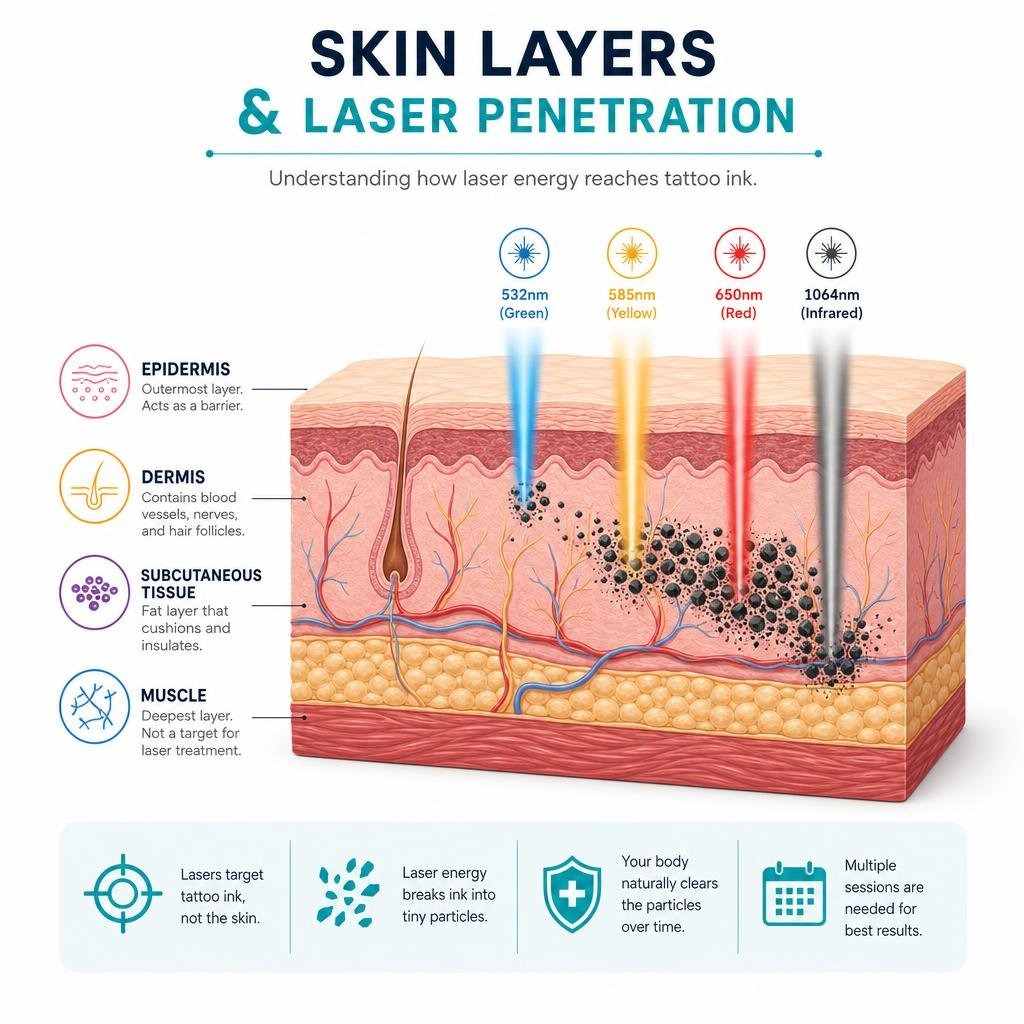
When discussing laser tattoo removal, understanding the technology behind it is crucial, particularly the distinction between picosecond and nanosecond lasers. Q-switched lasers, which operate in nanosecond pulse durations (billionths of a second), have long been the industry standard. These lasers work by heating the tattoo ink, breaking it into smaller particles that the body’s immune system can clear. This process relies on a photothermal effect.
However, the advent of picosecond lasers, such as PicoSure and PicoWay, represents a significant leap forward. These lasers deliver energy in trillionths of a second, an astonishingly short pulse duration compared to their nanosecond counterparts. This ultra-short pulse creates a more intense photomechanical effect, shattering ink particles into much finer fragments. This not only allows for faster, more effective removal, particularly of stubborn colors, but also minimizes thermal damage to the surrounding skin. While picosecond laser sessions typically cost 20-30% more per session than nanosecond lasers, they often require fewer overall sessions to achieve complete removal, potentially leading to a lower total cost in the long run.
Patient Safety and Skin Type Considerations
Patient safety is paramount in laser tattoo removal, especially concerning different skin types. The interaction between laser energy and skin pigment (melanin) is a critical factor. Individuals with darker skin tones, categorized higher on the Fitzpatrick scale, have more melanin, which can absorb laser energy intended for tattoo ink. This increased melanin absorption can lead to complications such as hyperpigmentation (darkening of the skin), hypopigmentation (lightening of the skin), or even scarring if the wrong laser settings or technology are used.
Therefore, practitioners must be highly experienced in assessing skin types and adjusting laser parameters accordingly. Specialized lasers with longer wavelengths are often preferred for darker skin to minimize melanin absorption while still effectively targeting tattoo ink. Proper protective eyewear for both the patient and the practitioner is non-negotiable during every session. A thorough consultation, including a patch test, is essential to determine the safest and most effective treatment plan for each individual, prioritizing skin integrity and minimizing risks.
Understanding Laser Tattoo Removal Costs
The decision to pursue laser tattoo removal often begins with the question of cost. There isn’t a single, fixed price; rather, the total investment is influenced by a complex interplay of factors. These include the tattoo’s characteristics, the technology used, the clinic’s location and reputation, and the number of sessions required. Essentially, when you pay for tattoo removal, you’re investing in the expertise of the practitioner, the advanced laser equipment, the safety protocols, and the time it takes for your body to eliminate the ink naturally.
Here’s a comparison of typical cost ranges for various tattoo removal methods:
Method Typical Cost Range (Per Session) Total Cost Range (Estimated) Key Considerations Laser Removal $200-$500 per session $1,000-$10,000+ total Most effective, least scarring. Number of sessions varies. Surgical Excision $1,000-$4,000+ (one-time) $1,000-$4,000+ total Best for small tattoos. Leaves a surgical scar. Dermabrasion: Several hundred to thousands per session. Varies; potentially high. Less effective for deep ink; higher risk of scarring. The primary factors that influence the cost of laser tattoo removal include:
- Tattoo Size: This is arguably the most significant factor. Clinics often use a tiered pricing system based on square inches or predefined size categories (e.g., extra small, small, medium, large, full sleeve). Larger tattoos require more laser pulses, more time, and more resources per session, thus increasing the cost.
- Ink Density and Colors: Densely packed ink takes more effort to break down. Black ink is generally the easiest and cheapest to remove as it absorbs all laser wavelengths efficiently. In contrast, colors like yellow, light green, and teal are notoriously difficult and expensive to remove, often requiring more sessions and specialized lasers. White ink can even darken paradoxically when treated.
- Body Location: Tattoos on areas with good blood circulation and lymphatic drainage (e.g., torso, neck, arms) tend to fade faster because the body can more efficiently clear the shattered ink particles. Tattoos on extremities, such as the hands, feet, and ankles, which have poorer circulation, may require more sessions and thus cost more.
- Clinic Overhead and Expertise: The cost also reflects the clinic’s operating expenses, the quality of the laser technology used, and the practitioners’ experience and qualifications. Urban clinics, for instance, typically charge 20-40% more than those in suburban or rural areas due to higher overheads.
Average Cost Per Session and Total Investment
When budgeting for laser tattoo removal, it’s helpful to consider both the per-session cost and the total investment. As of July 2026, the national average cost of laser tattoo removal is typically around $423 per session, according to industry reports. However, prices can range significantly, usually between $200 and $500 per treatment across the United States. Some providers, such as Removery, report their average cost per session ranging from $175 to $600, depending on the tattoo’s size.
The total cost for complete tattoo removal is a cumulative sum of these per-session fees. For a small, single-color tattoo, the total cost might be as low as $500-$1,500. However, for larger, more complex, or multi-colored tattoos, especially full sleeves, the total investment could range from $4,000 to $15,000 or more. It’s wise to factor in a 20-30% buffer to your budget, as the exact number of sessions can sometimes exceed initial projections.
How Tattoo Characteristics Impact Pricing
Beyond the general averages, specific characteristics of your tattoo will heavily influence its removal pricing:
- Tattoo Size: This is the most straightforward cost determinant. Clinics often have size-based pricing tiers. For example:
- Small tattoos (under 5cm): $100-$250 per session.
- Medium tattoos (5-15cm): $200-$400 per session.
- Large tattoos (15 cm+): $400- $700 per session.
- Full sleeve: $500-$1,000+ per session.
- Ink Colors: As mentioned, black ink is the easiest to remove. Blues, greens, yellows, oranges, and fluorescent shades are more challenging and may require different laser wavelengths, increasing the number of sessions and, in turn, the cost. Red pigments are also relatively easier to treat.
- Tattoo Age: Older tattoos, particularly those over 10 years old, often have ink that has naturally faded and dispersed within the skin, making them generally easier to remove than newer, vibrant tattoos.
- Placement: Tattoos on areas with robust blood flow (e.g., torso, head, neck) tend to respond better to treatment because the body can flush out the fragmented ink more efficiently. Conversely, tattoos on areas with poorer circulation, such as the lower legs or fingers, may require more sessions.
- Cover-up Tattoos: These can be particularly challenging and expensive to remove. Layered ink from two separate tattoos makes removal more complex, often requiring additional sessions to penetrate and break down multiple layers of pigment.
- Kirby-Desai Scale: Some dermatologists and clinics use the Kirby-Desai Scale, a comprehensive tool that assesses factors such as skin type, tattoo location, color, amount of ink, scarring, and layering to estimate the number of appointments more accurately. This can provide a more precise cost projection.
Comparing Laser Removal to Alternative Methods
While laser tattoo removal is widely considered the gold standard due to its effectiveness and safety, it’s not the only method available. Understanding the alternatives can help you make an informed decision, though they often come with different costs, risks, and efficacy rates.
Surgical Excision Costs and Recovery
Surgical excision involves physically cutting out the tattooed skin and stitching the remaining skin together. This method is generally suitable only for very small tattoos located in areas where the skin can be easily brought together without excessive tension. The procedure is performed by a plastic surgeon, typically under localized anesthesia.
The cost of surgical excision can range from several hundred dollars to thousands, often a one-time fee rather than a per-session fee like laser removal. For instance, an anecdotal report suggested surgical excision for a forearm tattoo could cost around $1750. While it offers immediate removal, it inevitably leaves a surgical scar, which can sometimes be more noticeable than the original tattoo. Recovery involves wound care, potential discomfort, and activity restrictions for several weeks, similar to other minor surgical procedures.
Dermabrasion and Topical Alternatives
Dermabrasion is a less common and generally less effective method for tattoo removal. It involves mechanically sanding down the tattooed skin using a high-speed rotary abrasion tool. This process aims to remove the outer layers of skin, allowing the ink to leach out. It can be quite painful, requires local or general anesthesia, and carries a significant risk of scarring, infection, and permanent pigment changes. The American Society for Dermatologic Surgery reports that dermabrasion for unwanted tattoos can range from several hundred dollars up to thousands of dollars. Still, its efficacy for deep, professional tattoos is limited compared to laser methods.
Beyond surgical and abrasive methods, various topical alternatives exist, though their effectiveness for permanent tattoos is largely unproven. Chemical peels, saline removal, and glycolic acid treatments are sometimes used for very superficial or cosmetic tattoos (like permanent makeup), with costs ranging from $215 to $400 per session. However, for deep, professional body art, these methods are generally ineffective and can lead to skin irritation or scarring without achieving significant ink removal. Topical tattoo removal creams marketed to consumers are widely considered ineffective for permanent ink and should be approached with extreme skepticism.
Financing and Managing Aesthetic Treatments
Given that laser tattoo removal often requires multiple sessions and can add up to a substantial cost, understanding financing and payment options is crucial. Most health insurance plans do not cover tattoo removal, as it is considered an elective cosmetic procedure. This also means that funds from Health Savings Accounts (HSAs) or Flexible Spending Accounts (FSAs) typically cannot be used unless there is a documented medical necessity, such as an allergic reaction to the ink or if the tattoo interferes with a medical procedure, such as radiation therapy.
Complete Removal Packages vs. Pay-Per-Session
One of the most significant decisions you’ll make about payment is whether to choose a complete removal package or pay per session.
- Pay-Per-Session: This model offers flexibility, allowing you to pay for each treatment as you go. It’s suitable if you’re unsure about committing to full removal or want to assess your progress session by session. However, if your tattoo requires many treatments, this approach can cost up to 40% more than a package deal. It also carries the financial risk of needing more sessions than initially estimated, increasing your total outlay.
- Complete Removal Packages: Many clinics, including Removery, offer package deals that provide unlimited treatments for a fixed price until the tattoo is completely removed. This model can offer significant cost savings, often around 40% compared to paying per session. It mitigates the financial risk of needing more sessions than anticipated and provides peace of mind regarding the total cost. While these packages require a larger upfront payment, many clinics offer payment plans or financing options to make them more accessible. When considering a package, always compare the cash price to the total cost when financing, as interest rates can add to the overall expense.
For those seeking to manage the cost over time, several financing options are commonly available:
- CareCredit: This is a popular medical credit card specifically designed for health, wellness, and beauty expenses. It often offers promotional financing options, such as 0% APR for a certain period, if the balance is paid in full within that time. Standard APRs can be higher (e.g., 26.99%), so careful management is essential.
- In-House Payment Plans: Many clinics offer their own payment plans, allowing you to spread the cost of a package over several months with manageable monthly payments (e.g., $69/month for extra small tattoos to $216/month for extra extra large tattoos).
- Personal Loans or Regular Credit Cards: For individuals with good credit, personal loans or standard credit cards may offer lower interest rates than specialized medical credit cards, making them a viable option for financing treatment.
Free and Low-Cost Community Programs
While laser tattoo removal is generally an elective procedure, there are instances where free or low-cost programs are available, often targeting specific community needs. These programs typically focus on helping individuals remove visible tattoos that may pose barriers to employment, education, or social integration.
Examples include:
- Gang Tattoo Removal Programs:Many non-profit organizations and community health clinics offer free or subsidized tattoo removal for individuals seeking to leave gang lifestyles behind. These programs aim to remove visible gang-related tattoos that can hinder reintegration into society.
- “Jails to Jobs” Initiatives:Organizations like Jails to Jobs often connect individuals with resources for free or low-cost tattoo removal, particularly for those with tattoos on their face, neck, or hands that might impede employment opportunities.
- Youth Programs: Some local initiatives focus on assisting young adults and minors (with parental consent) who regret tattoos obtained during adolescence, especially if these tattoos are causing emotional distress or social challenges.
- Clinical Trials: Occasionally, universities or research institutions conduct clinical trials for new laser technologies or techniques, offering free or reduced-cost treatments to participants.
These programs are not universally available and often have specific eligibility criteria, but they represent a valuable resource for those who might otherwise be unable to afford removal.
Frequently Asked Questions About Tattoo Removal
We often encounter several common questions from individuals considering tattoo removal. Here, we address some of the most pressing concerns to provide clarity and help you prepare for your journey.
How many sessions are typically required for complete tattoo removal?
The number of sessions required for complete tattoo removal is one of the most frequently asked questions, and it varies significantly from person to person and tattoo to tattoo. On average, most tattoos require between 6 and 12 sessions for full removal. Some sources suggest a range of 1 to 10 treatments, while others, like Removery, often quote 8 to 12 sessions.
Several factors influence this number:
- Ink Depth and Density: Professional tattoos, with their deeper and more consistent ink placement, generally require more sessions than amateur tattoos.
- Ink Colors: Black ink usually responds fastest. Lighter colors like yellow, green, and blue are more stubborn and demand more treatments.
- Individual Immune Response: Your body’s ability to flush out the shattered ink particles is crucial. A healthy immune system can expedite the process.
- Tattoo Age: Older tattoos tend to fade more easily.
- Healing Intervals: Sessions are typically spaced 6 to 8 weeks apart to allow the body ample time to clear the ink and the skin to heal, which is vital for effective and safe removal.
A thorough consultation with an experienced practitioner will provide a more personalized estimate based on your specific tattoo characteristics.
Does health insurance cover laser tattoo removal?
In the vast majority of cases, health insurance does not cover laser tattoo removal. This is because tattoo removal is almost universally classified as an elective cosmetic procedure. Insurance providers typically only cover treatments deemed medically necessary to diagnose or treat an illness, injury, or medical condition. Since tattoo removal is usually sought for aesthetic reasons or due to personal regret, it falls outside these parameters.
Consequently, patients should expect to pay the full cost of tattoo removal out of pocket. As mentioned earlier, even Health Savings Accounts (HSAs) and Flexible Spending Accounts (FSAs) usually cannot be used for cosmetic procedures unless there’s a specific medical justification, such as an allergic reaction to the tattoo ink, a tattoo obscuring a medical diagnosis, or psychological distress severe enough to be diagnosed as a medical condition. It’s always advisable to check directly with your insurance provider if you believe your situation might warrant an exception, but such instances are rare.
What are the potential hidden costs of tattoo removal?
While the per-session or package price covers the laser treatment itself, there may be additional costs that accumulate over the course of your tattoo removal journey. Being aware of these can help you budget more accurately:
- Consultation Fees: While many clinics offer free initial consultations, some may charge a fee, especially if it includes a patch test or a detailed medical assessment.
- Numbing Creams: Although some clinics include topical numbing agents, others may charge extra for prescription-strength numbing creams to enhance comfort during the procedure.
- Aftercare Supplies: Post-treatment care is crucial for proper healing and to prevent complications. This includes antibiotic ointments, sterile dressings, and specialized soothing lotions. These costs can range from $2 to $100 per treatment cycle.
- Sun Protection Products: Protecting the treated area from sun exposure is vital to prevent hyperpigmentation. You’ll need to invest in high-SPF sunscreens and protective clothing.
- Travel Expenses: If your chosen clinic is not local, you’ll need to factor in transportation costs for each of your multiple sessions.
- Time Off Work: Each session takes time, and you may need a few days of reduced activity or time off work, especially if the treated area is large or sensitive, which can lead to lost wages.
It’s important to discuss all potential additional costs with your provider during your initial consultation to ensure a comprehensive understanding of the total investment.
Conclusion
Embarking on the journey of laser tattoo removal is a significant decision, both personally and financially. As we’ve explored, the cost is influenced by a multitude of factors, including the specific characteristics of your tattoo, the advanced laser technology used, and your practitioner’s expertise. Understanding these variables, along with financing options and potential hidden costs, empowers you to make informed choices.
Thorough treatment planning and careful provider selection are paramount for achieving safe and effective results. Prioritizing skin health and realistic expectations throughout the process will contribute to long-term satisfaction. For many, the investment in tattoo removal is not just about erasing ink, but about reclaiming a sense of self and confidence.