

The Evolution of Non-Powered Medical Technology in Wound Care
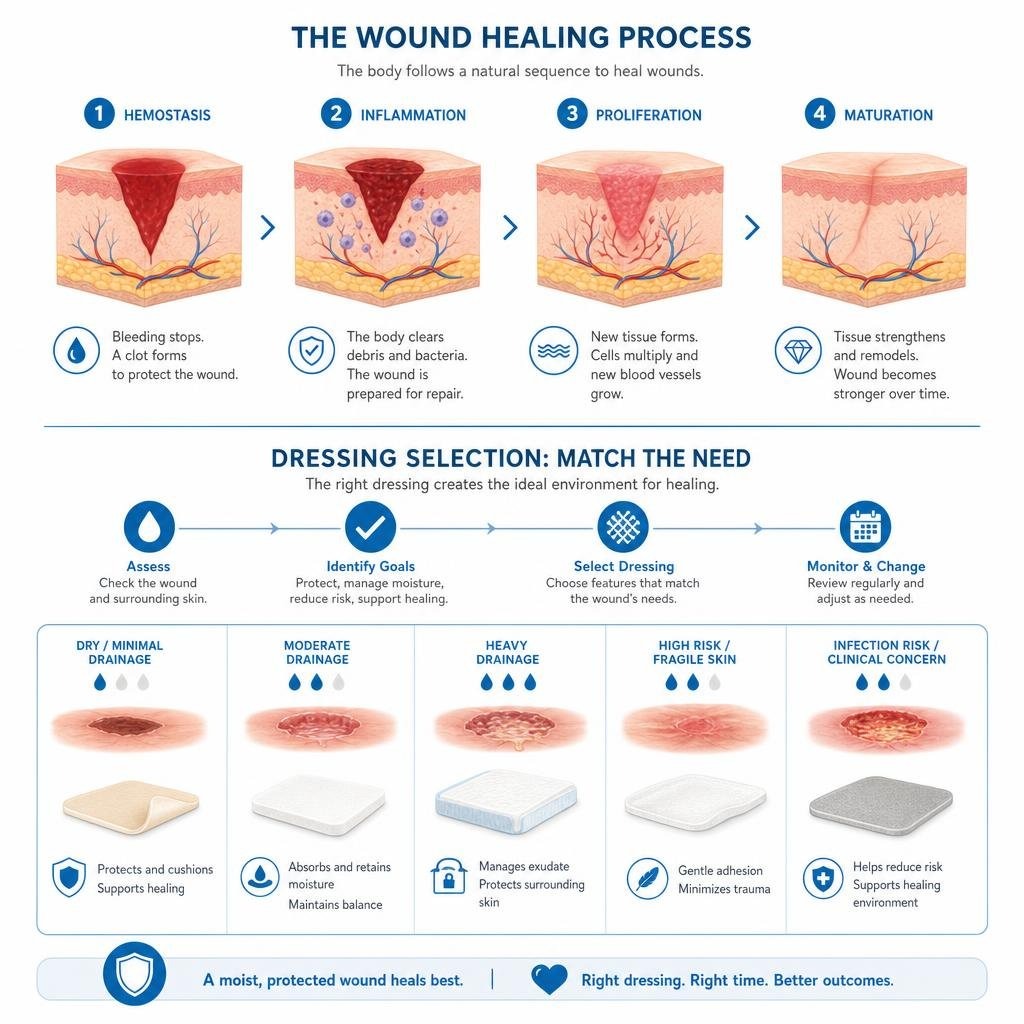
The journey of wound care is a testament to human ingenuity, evolving from rudimentary coverings to sophisticated non-powered medical therapeutics. Historically, wound management was largely a passive affair, focusing on simple protection against external threats. Early “bandages” were often just leaves, mud, or animal skins, aiming to cover the wound and perhaps stem bleeding. The understanding of wound healing mechanisms was limited, and infection was a constant, often fatal, threat.
Fast forward to July 2026, and the landscape is dramatically different. Our grasp of cellular regeneration, barrier protection, and the intricate balance required for optimal healing has propelled material science to new heights. Non-powered medical technologies are at the forefront of this evolution, offering advanced solutions that actively support the body’s natural healing processes without relying on external power sources. These innovations have profoundly impacted clinical outcomes, transforming how we approach everything from minor cuts to complex chronic wounds.
Traditional vs. Advanced Dressings
The distinction between traditional and advanced wound dressings marks a significant paradigm shift in medical practice. Traditional wound care, often characterized by simple gauze pads and adhesive tapes, primarily focused on absorbing exudate (wound fluid) and providing a physical barrier. While effective for very minor wounds, these dressings often led to a dry healing environment. Research has since shown that a dry wound can impede cellular migration, prolong inflammation, and increase the risk of scarring.
Advanced dressings, on the other hand, are engineered to create a moist wound environment, which is now recognized as crucial for optimal healing. This moist environment facilitates autolytic debridement (the body’s natural process of removing dead tissue), promotes cellular proliferation, and reduces pain. The table below highlights some key differences:
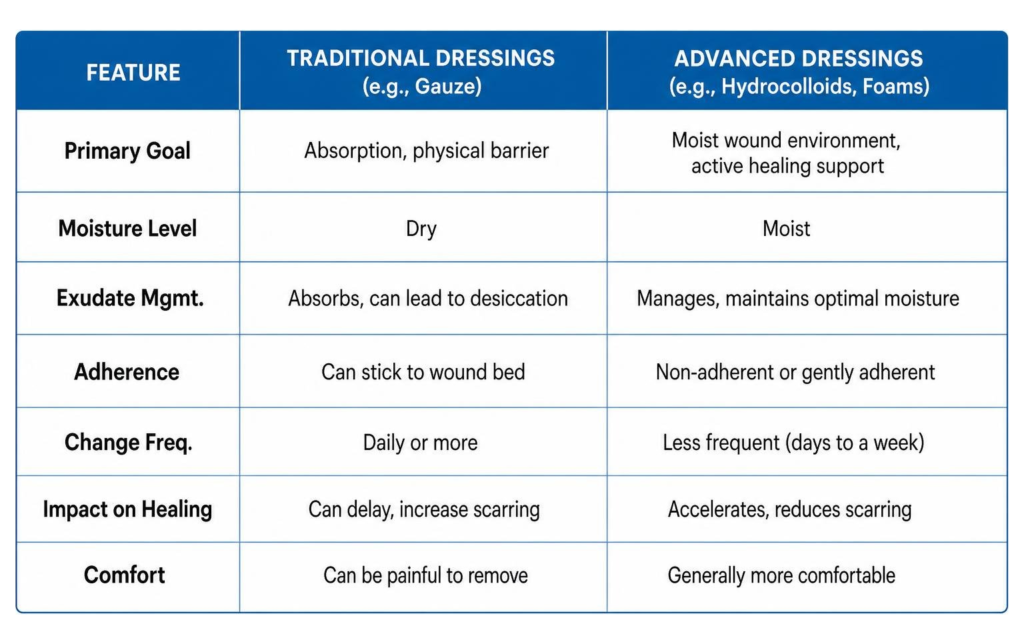
This shift from passive absorption to active moisture management underscores the advancements in material science and our deeper understanding of the biological processes involved in wound repair.
The Role of Passive Healing Mechanisms
Non-powered medical therapeutics leverage and enhance the body’s inherent passive healing mechanisms. These mechanisms are the fundamental biological processes that occur naturally when tissue is damaged. Effective dressings are designed to optimize these processes:
By understanding and supporting these intrinsic healing processes, non-powered medical technology has moved beyond simple protection to become an active partner in the wound recovery journey.
Types of Wound Dressings and Their Clinical Applications
Choosing the right bandage or dressing is paramount to successful wound management. The selection process is highly dependent on the wound’s etiology (cause), its characteristics (size, depth, exudate level), and the patient’s overall health. From minor cuts to complex pressure sores, surgical wounds, and diabetic ulcers, each type demands a tailored approach.
Hydrocolloid and Foam Dressings
Among the most common advanced dressings are hydrocolloids and foam dressings, each with distinct properties suitable for different wound types.
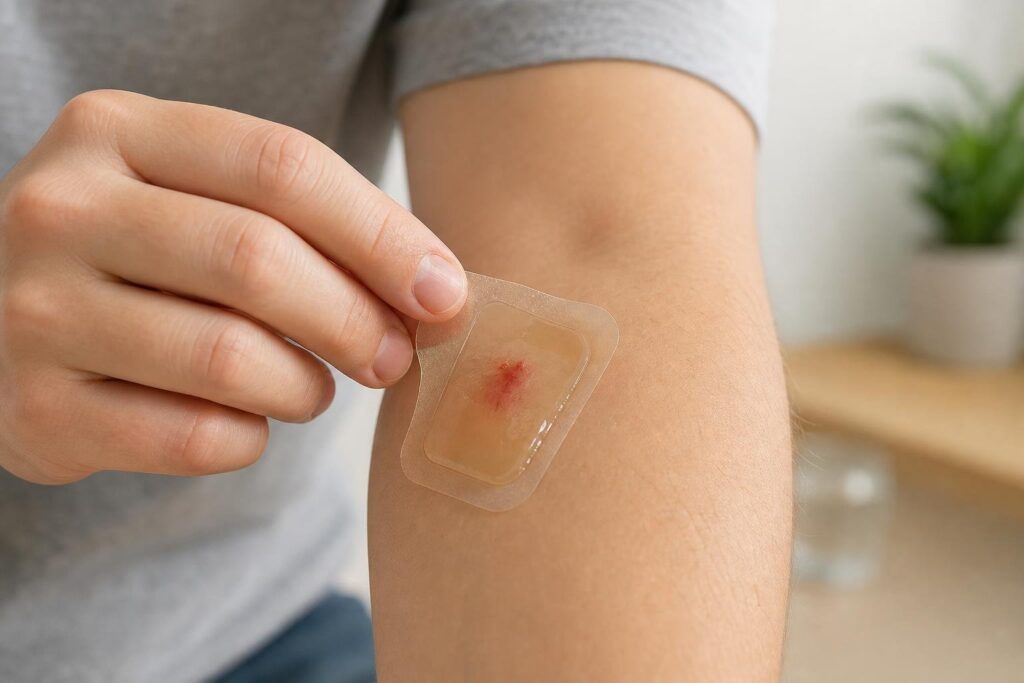
Application Tip: When applying a hydrocolloid bandage, ensure the skin around the wound is clean and dry. Press firmly around the edges to create a good seal. The dressing will often swell or form a blister-like appearance as it absorbs exudate, which is a normal part of its function.
Collagen and Placental Allografts as Advanced Medical Technology
For more complex or chronic wounds that struggle to heal, advanced biological dressings like collagen and placental allografts represent significant innovations in non-powered medical technology. These products often serve as biological scaffolds or provide growth factors to kickstart the healing process.
Compression and Cohesive Bandages for Venous Support
For wounds associated with vascular compromise, such as venous leg ulcers, compression therapy is a cornerstone of treatment. Bandages designed for compression play a vital role in supporting the venous system and promoting healing.
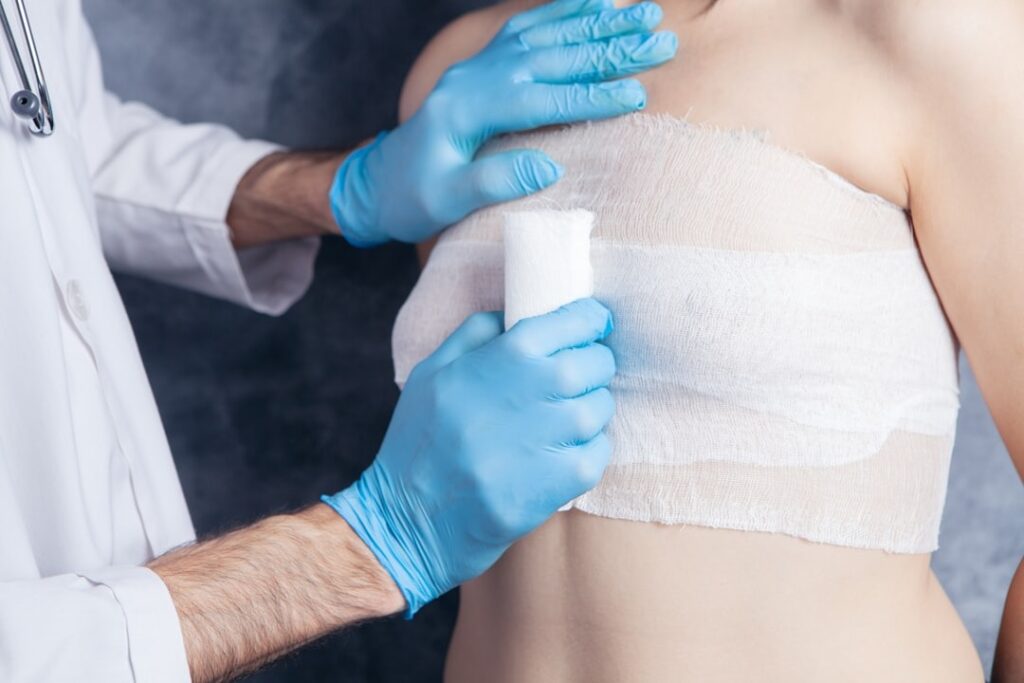
Application Best Practice: When applying a compression bandage, ensure even pressure distribution, typically starting from the foot and wrapping upwards towards the knee or thigh. Regular checks for circulation are essential.
Key Features of High-Performance Wound Bandages
When selecting a wound bandage, several key features contribute to its overall quality, clinical efficacy, and patient comfort. Understanding these characteristics helps healthcare providers and individuals make informed decisions for optimal wound care.
Absorbency and Moisture Control
One of the most critical functions of a wound dressing is its ability to manage exudate. High-performance bandages excel in:
The balance between absorbency and vapor transmission is a hallmark of advanced dressings, ensuring the wound stays moist but not wet.
Adhesive Properties and Skin Protection
The adhesive component of a bandage is vital for keeping the dressing securely in place, but it must also be gentle on the skin, especially with frequent changes.
The evolution of adhesive technology means that patients can now benefit from dressings that stay put when needed but come off gently, promoting both healing and comfort.
Best Practices for Application and Infection Prevention
Proper application and consistent infection prevention strategies are foundational to effective wound care. Even the most advanced bandage will fail if not applied correctly or if hygiene protocols are neglected.
Aseptic Application Techniques
Aseptic technique is critical to prevent contamination of the wound, which can lead to infection and significantly delay healing. This involves a series of steps designed to minimize the introduction of microorganisms:
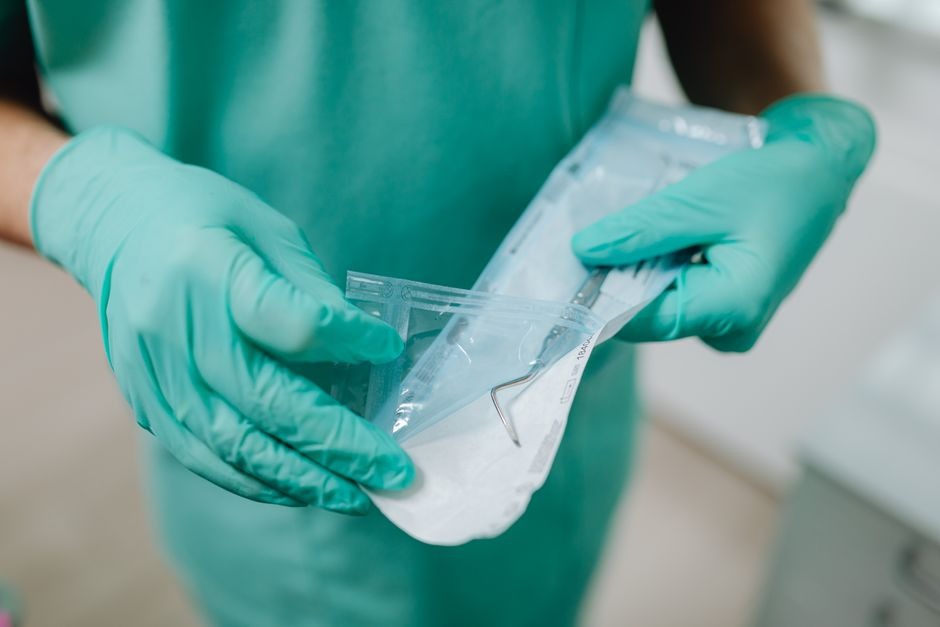
Following these steps consistently helps create a clean healing environment, reducing the risk of complications.
Far-Infrared (FIR) Therapy in Non-Powered Medical Technology
Beyond traditional protective and moisture-managing functions, non-powered medical technology continues to innovate with therapies that actively promote physiological processes. One such area gaining attention is the integration of Far-Infrared (FIR) therapy into wound care.
FIR is a segment of the electromagnetic spectrum that is not visible to the human eye but is perceived as heat. When applied to the body, FIR energy can penetrate tissues, leading to several therapeutic effects without direct contact or external power. In the context of wound healing, FIR therapy is believed to:
The incorporation of FIR-emitting materials into non-powered wound dressings represents a significant advancement. These FIR medical wound bandagesleverage the body’s own heat to activate the FIR materials within the dressing, delivering continuous, gentle therapeutic energy to the wound site. This non-invasive approach offers a novel way to enhance tissue oxygenation and support the healing process, particularly for chronic wounds or those with compromised circulation. As research continues to explore the full potential of FIR in wound care, we anticipate its role in non-powered medical therapeutics will expand, offering new avenues for accelerated and more effective healing.
Frequently Asked Questions About Wound Bandages
We often encounter common questions about the proper use and management of wound bandages. Here, we address some of the most frequent inquiries to provide clarity and empower individuals in their wound care journey.
What is the difference between a wound dressing and a bandage?
This is a common point of confusion. While often used interchangeably in everyday language, in medical terms, there’s a distinct difference:
So, while a Band-Aid is technically a combination of a dressing (the pad) and a bandage (the adhesive strips), it’s important to understand that many advanced dressings require a separate secondary bandage for securement. The wound dressing interacts directly with the wound, while the bandage provides structural support and protection over the dressing.
How often should a wound bandage be changed?
The frequency of bandage changes depends on several factors, including the type of wound, the amount of exudate, the type of dressing used, and the presence of infection.
Regular assessment of the wound and the dressing is key to determining the appropriate change frequency.
How do you safely remove bandage adhesive from sensitive skin?
Removing adhesive bandages, especially from sensitive or fragile skin (common in pediatric or elderly patients), can be challenging and sometimes painful. Improper removal can lead to skin stripping or irritation. Here are some safe methods:
Always be gentle and take your time to avoid causing further skin trauma. For individuals with extremely sensitive skin or known adhesive allergies, hypoallergenic tapes and silicone-based adhesives are often recommended.
Conclusion
The realm of bandages for wounds has evolved dramatically, transforming from rudimentary coverings into a sophisticated array of non-powered medical therapeutics. Our exploration has revealed the intricate science behind different dressing types, from the moisture-managing capabilities of hydrocolloids and foams to the regenerative potential of collagen and placental allografts, and the circulatory benefits of compression bandages. We’ve highlighted the crucial features of high-performance dressings—their absorbency, gentle adhesives, and ability to support the body’s natural healing processes.
As we look to July 2026 and beyond, the trend in wound care is clear: therapeutic innovations will continue to prioritize patient-centric care, focusing on non-invasive, non-powered devices that enhance comfort, accelerate healing, and minimize complications. By understanding these advancements and adhering to best practices in application and infection prevention, we can ensure that every wound receives the optimal environment it needs to heal effectively, paving the way for better outcomes and an improved quality of life for all. The future of wound care is bright, driven by continuous innovation in non-powered medical technology.