

The Core Ingredients of Designing Transformative Shared Experiences
We all seek a sense of belonging. In a world that often feels disconnected, creating genuine community and meaningful experiences has become more crucial than ever. It’s about designing moments that resonate, foster deep connections, and transform individuals from passive observers into active, engaged participants.
Research consistently shows that when people feel truly connected, they learn and perform better and experience greater well-being. This isn’t just about organizing events; it’s about intentional design, thoughtful hosting, and understanding the subtle dynamics that turn strangers into a cohesive group. The principles we explore apply across diverse environments, from large-scale gatherings to intimate local groups, and are vital in specialized settings focused on Fostering affordable senior well-being.
In this guide, we will delve into the core ingredients for designing experiences that build lasting community bonds. We will uncover how physical spaces profoundly influence interaction, and the indispensable role of intentional hosting in cultivating a connected group. Furthermore, we’ll examine strategies for scaling intimacy without losing depth and highlight the measurable benefits of community programs, offering practical insights for anyone looking to build a more connected world.
Building a truly connected community isn’t accidental; it’s the result of intentional design. Drawing inspiration from family leisure research, we’ve identified four core ingredients that, when thoughtfully integrated, can transform mere gatherings into deeply meaningful experiences: novelty, ritual, perceived challenge, and stories. These elements work in concert to create environments where authentic connection can flourish, whether you’re bringing together a group for Redwood community experiences or a local book club.
Creating Community and Meaningful Experiences Through Novelty and Ritual
The balance between novelty and ritual is crucial for healthy group functioning and social cohesion. Novelty, or newness, keeps participants engaged and flexible, encouraging them to step outside their comfort zones and embrace new interactions. This could involve an unexpected activity, a unique location, or a fresh approach to a familiar topic. For instance, a study-abroad program intentionally randomized roommates and seating arrangements to encourage new connections.
Conversely, ritual provides a sense of predictability, safety, and belonging. These are the consistent practices that members come to expect and cherish, fostering a shared identity and reinforcing group norms. Daily huddles, where small teams discuss schedules, share inspiration, and engage in trivia, are excellent examples of rituals that build cohesion. Structured routines, such as a consistent meeting time or a shared reflection practice, offer a comforting framework in which novelty can be introduced without causing discomfort. By weaving together the excitement of the new with the comfort of the familiar, we can cultivate environments that are both stimulating and secure.
The Power of Perceived Challenge and Shared Stories
Perceived challenge is another powerful catalyst for community building. When individuals face a common, surmountable obstacle—be it navigating a new city, learning a complex skill, or simply trying an unfamiliar food—it creates natural opportunities for mutual help. People are prompted to ask for assistance, offer support, and celebrate successes together, thereby strengthening their bonds. This isn’t about creating hardship, but rather designing experiences where participants can collectively overcome a “perceived” difficulty, fostering a sense of shared accomplishment and interdependence. Imagine a group on a hike, where some members sing climbing songs to encourage slower hikers – a simple act of support born from a shared challenge.
Stories, perhaps the most ancient form of human connection, are essential for deepening interpersonal understanding. Sharing personal narratives makes individuals more “three-dimensional,” allowing others to see beyond surface-level interactions. We can facilitate this through various methods:
- Story Slams: Events where participants share 5-10 minute personal stories about consequential needs or transformative insights.
- Ancestor Storytelling: Encouraging individuals to research and share stories about their heritage, connecting personal histories to a broader context.
- Strengths-Based Sharing: Asking participants to share stories that highlight a top strength, fostering appreciation for individual contributions.
These storytelling approaches create a safe space for vulnerability and empathy, transforming strangers into a connected group by revealing shared humanity and fostering a profound sense of mutual understanding.
Designing the Room Over the Agenda: Campfire vs. Arena Dynamics
The physical environment and how we arrange it often speak louder than any meticulously planned agenda. We’ve learned that the “room” – whether physical or virtual – profoundly shapes the quality of interaction and the depth of connection. This distinction is often best understood by contrasting “arena” events with “campfire” experiences.

Intimate Campfire Settings vs. Large Arena Spectacles
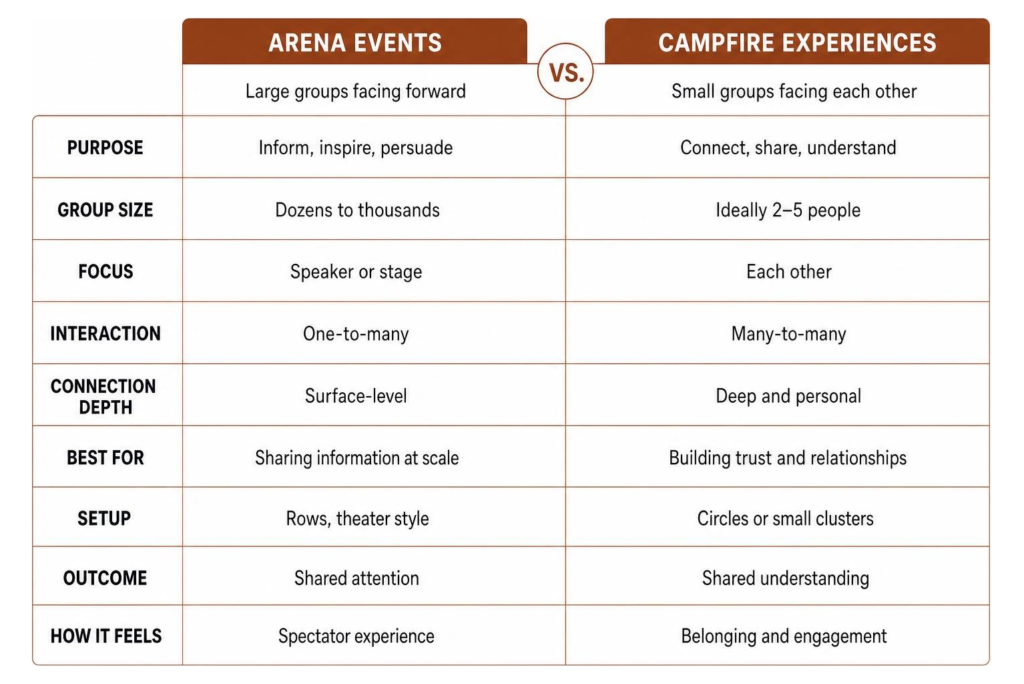
Arena events are typically large gatherings where participants face a central stage or speaker, sharing a common focus. Think of a conference keynote, a concert, or a lecture hall. While effective for information transfer and creating shared attention, arenas are not designed for building deep trust or personal connection. Everyone is looking forward, not at each other.
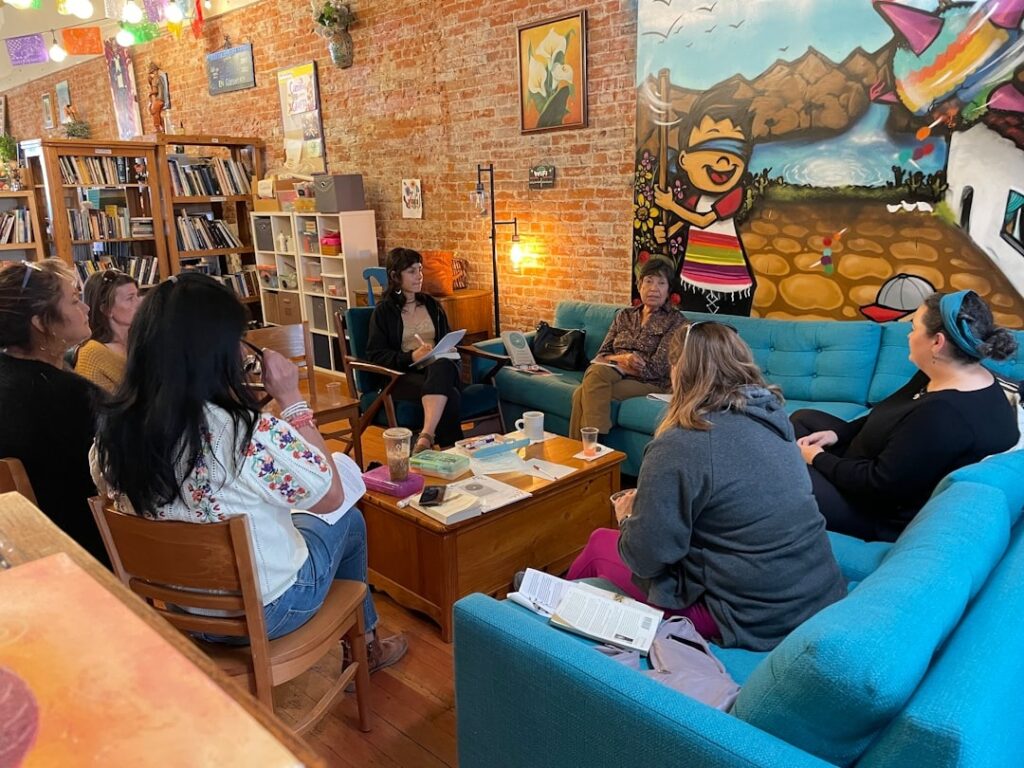
Campfire experiences, on the other hand, are intimate, conversational settings where people face each other. These are small groups, ideally 2-5 individuals, gathered for mutual discovery and personal sharing. Research suggests that groups of three are particularly resilient at building relationships, allowing meaningful connections even when one person is occasionally absent. The goal of a campfire is conversation, empathy, and shared vulnerability, not information dissemination.
Scaling a community effectively often means starting with arena experiences to gather a crowd, then intentionally transitioning them into smaller, intimate campfire settings. This multiplication of small, deep connections is how larger associations build genuine trust across their membership. The furniture arrangement itself can be a diagnostic tool: chairs in rows signal information transfer, while chairs in small clusters signal conversation and mutual discovery.
Why the Room Matters More Than the Agenda in Hybrid and Physical Spaces
In an increasingly hybrid world, where online communities often serve as a foundational layer, the intentional design of physical spaces becomes even more critical for strengthening relationships. We’ve found that people remember how a conversation made them feel, the energy in the room, the music, even the smells, and the thoughtful details – far more than they recall the specific agenda items.
This means shifting our focus from mere efficiency to cultivating an environment rich in sensory and emotional details. Considerations include:
- Physical Layout: Arranging seating in small clusters, creating cozy nooks, or ensuring easy flow for spontaneous conversations.
- Sensory Elements: Curating background music, pleasant aromas, or comfortable lighting to set a welcoming mood.
- Removing Status Markers:Intentionally designing interactions that remove job titles or company affiliations, especially early on, encourages more honest, agenda-free conversations. This helps people connect as humans first, fostering organic interaction.
The “room” is not just a backdrop; it’s an active participant in shaping the experience. By prioritizing the feeling and flow of the space over a rigid schedule, we create conditions for genuine connection, leaving participants with lasting takeaways and a sense of belonging.
Intentional Hosting: Turning Strangers into a Connected Group
The transition from a collection of strangers to a truly connected group is rarely accidental. It requires intentional hosting – a thoughtful, almost invisible craft that prioritizes psychological safety, personalization, and active facilitation. Our role as community builders is to create the conditions where people feel seen, valued, and safe enough to engage authentically.
Creating Community and Meaningful Experiences Through Thoughtful Onboarding
Onboarding is the first critical touchpoint where we signal our commitment to individual experience. Personalized details, even small ones, can make a profound difference. Imagine arriving at an event to find your preferred tea and oat milk waiting for you, simply because you mentioned it in an onboarding survey. This level of personalization signals that you’ve been considered and valued, fostering an immediate sense of belonging.
Beyond physical comforts, effective onboarding should:
- Gather Deeper Insights: Ask questions not just about work, but about struggles, personal comforts, and what participants hope to offer or gain.
- Remove Status Markers: Consider strategies like asking participants to temporarily omit job titles or company names, especially in initial introductions. This removes invisible hierarchies and encourages more honest, agenda-free connections.
- Build Feedback Loops: Design systems to continuously gather feedback and adapt experiences, showing members that their input matters.
These intentional touchpoints transform a transactional registration into a welcoming embrace, setting the stage for deeper engagement.
Facilitation Techniques to Lower Stakes and Build Trust
Once participants are in the room, skilled facilitation is key to fostering trust and encouraging interaction without forcing it. We aim to lower the stakes, making engagement feel like an invitation rather than a requirement.
Effective techniques include:
- Optional Participation: Clearly communicate that all activities are invitations, allowing individuals to opt in when they feel ready. This builds psychological safety.
- Start Simple and Low-Stakes: Begin with activities that require minimal vulnerability, like simple sounds or repetitive movements, as seen in community singing events.
- Structured Spectrum Questions:Use physical activities where participants position themselves along a “human spectrum” in response to questions. This creates instant depth without forced verbal vulnerability, allowing people to express opinions non-verbally.
- Signal Safety and Confidence: As hosts, we maintain a calm, confident presence that reassures participants. We initially hold the group’s energy, then gradually give ownership back to them.
- Shared Singing or Activities:Engaging in a collective, low-pressure activity like singing, even if participants don’t know the songs, can rapidly turn strangers into a cohesive “we” by creating a shared, embodied experience.
By carefully curating these moments, we can guide individuals from awkward small talk to genuine connection, transforming a room full of strangers into a connected group.
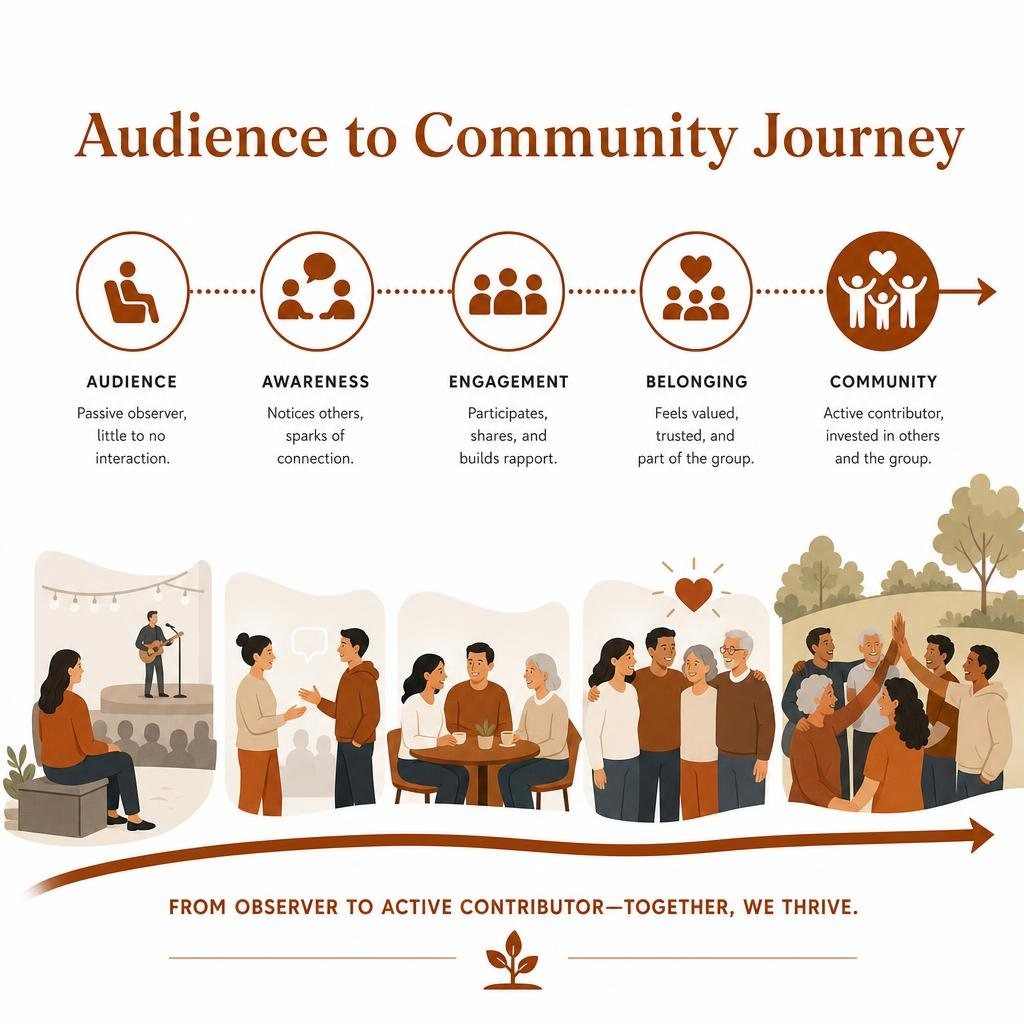
Scaling Intimacy and Moving from Audience to True Community
The challenge for many community builders is how to expand reach without diluting the depth of connection. We’ve learned that true scaling isn’t about making one large event even bigger; it’s about multiplying intimate experiences and empowering members to drive the community forward. The shift is from managing an audience to nurturing a self-sustaining network of interconnected individuals.
Creating Community and Meaningful Experiences at Scale
Scaling intimacy means fostering multiple “campfire” experiences within a broader “arena.” Charles Vogl’s insights suggest that instead of trying to make one large gathering intimate, we should create many small, intimate gatherings that form a network. This approach allows for:
- Decentralized Hosting: Empowering members to initiate and host their own small-group activities, rather than centralizing all events through the founder.
- Hyper-Local Networks: Focusing on local, in-person communities can generate significant value and even replace full-time incomes, with successful local communities generating around $500,000 per year. These smaller, geographically focused groups naturally foster deeper bonds.
- Member-to-Member Interaction:The Young Presidents’ Organization (YPO), with over 38,000 members worldwide paying $9,000-$15,000 annually, exemplifies a highly successful, member-run model. Its success lies in its emphasis on peer-to-peer connections and self-organization rather than on a central authority.
The goal is to build structures that enable self-organization, allowing the community to grow through multiplication and organic connections rather than simply adding more people to a single large event.
Overcoming the Pitfalls of Audience Dynamics and Digital Noise
Many organizations mistakenly believe they are building communities when, in fact, they are cultivating audiences. The key distinction lies in the dynamic:
- Audience: Primarily one-way communication, with members consuming content or experiences provided by a central figure or brand.
- Community: Characterized by robust member-to-member interaction, where connections are horizontal, not just vertical.
To move from audience to true community, we must actively combat common pitfalls:
- Founder Centralization: The founder should aim to gradually step back from being the sole center of gravity, empowering others to lead and connect. The best communities are those the founder would want to participate in, not just lead.
- Group Chat Entropy: While seemingly helpful, managing large group chats can become a full-time job and often creates more noise than value. It’s often better to let members form their own smaller, more focused chats organically.
- Longevity Mindset: Instead of chasing rapid growth or short-term monetization, focus on building for the long term. Communities often succeed by competing against “death” (abandonment) rather than against other organizers.
- Sustainable Monetization: True communities can be lucrative, but the monetization strategy should support the community’s values and long-term health, often through membership fees that fund value-added experiences and infrastructure.
By prioritizing member-to-member interaction, fostering decentralized leadership, and focusing on sustainable, intimate connections, we can scale community depth without sacrificing authenticity.
The Measurable Benefits of Community Events and Volunteering Programs
Beyond the intrinsic value of connection, community events and volunteer programs offer tangible, measurable benefits for individuals, organizations, and society at large. These initiatives are powerful drivers of belonging, skill development, and long-term engagement, creating positive ripple effects in various specialized settings, including those dedicated to Fostering affordable senior well-being.
Skill Development and Pathways to Employment Through Volunteering
Volunteering is far more than just giving back; it’s a potent pathway for skill development and real-world work experience. Programs like Independence360’s Volunteer Work Experience demonstrate this by helping adults with disabilities gain practical skills and community connections. Their approach highlights best practices:
- Personalized Matching: Volunteer placements are matched not just by task, but by individual comfort levels with noise, physical demands, and personal preferences. This ensures a supportive and effective learning environment.
- Comprehensive Support:Participants receive preparation and guidance before placements, along with ongoing job coach support to learn tasks and navigate expectations.
- Real-World Application: Instead of traditional prevocational services, these programs offer genuine community-based experiences, from assisting with office production to supporting food distribution.
- Employment Pathways: For many, volunteer work serves as a direct route to supported employment opportunities, complete with resume development, interview preparation, and job coaching.
These programs not only equip individuals with valuable skills but also educate the broader community about the capabilities of diverse populations, fostering greater inclusion and understanding.
Fostering Belonging and Intergenerational Connection
Community events are vital catalysts for creating vibrant, inclusive, and harmonious environments. They directly address the human need for belonging and can bridge generational divides:
- Mentorship Programs: Pairing seniors with youth, for example, allows for the exchange of traditional skills, life stories, and fresh perspectives. This not only supports community initiatives but also enriches both generations, fostering mutual respect and understanding.
- Shared Civic Engagement: Initiatives like Chicago’s “On the Table” successfully brought together over 11,500 residents to discuss community improvement and take action. Such large-scale, yet intimate, conversations empower citizens and strengthen civic bonds.
- Celebration of Diversity: Cultural festivals, block parties, and heritage celebrations foster cultural exchange and celebrate the rich diversity within neighborhoods, making everyone feel more connected to their local environment.
- Technology’s Role: Technology platforms now enable virtual and hybrid events, transcending geographic boundaries and enabling broader participation in community-building efforts. Mobile event apps can track engagement, gather feedback, and help organizers tailor future experiences, ensuring that events remain relevant and impactful.
The measurable outcomes of these programs include increased attendance, higher engagement, positive participant feedback, and economic benefits through local business support. They cultivate a profound sense of belonging, contributing to the overall well-being and resilience of communities.
Frequently Asked Questions about Creating Community and Meaningful Experiences
How do you balance structure with flexibility in community events?
Balancing structure with flexibility is key to creating transformative experiences. We aim to design a “container” rather than a rigid itinerary. This means providing enough structure to guide interaction and ensure psychological safety (e.g., clear purpose, defined timeframes, intentional seating arrangements) while allowing ample flexibility for organic conversations, spontaneous connections, and participant-led initiatives. Think of it as providing the stage and props, but letting the actors improvise the dialogue. We make everything an invitation, not a requirement, empowering participants to engage when and how they feel most comfortable.
What questions should organizers ask to ensure experiences are transformative rather than transactional?
To move beyond transactional exchanges, organizers should ask:
- “What is this actually changing for participants, beyond just what they will learn or do?” (Considering affective, cognitive, epistemic, and power changes).
- “Where am I creating genuine movement versus just creating activity?”
- “How will people feel when they leave, and what lasting impression will this leave?”
- “Am I designing for connection and mutual discovery, or primarily for information transfer and spectacle?”
- “How can I empower participants to contribute and co-create, rather than just consume?”
These questions shift the focus from output to impact, ensuring experiences resonate deeply.
How can community builders measure the emotional impact and success of their gatherings?
Measuring emotional impact goes beyond simple attendance figures. We can assess success through:
- Qualitative Feedback: Gathering personal stories, testimonials, and open-ended survey responses about how participants felt and what changed for them.
- Engagement Metrics: Tracking participation rates in discussions, breakout groups, or follow-up activities.
- Referral Rates: Observing if participants invite others to future events or organically form sub-groups.
- Long-Term Retention: Monitoring continued involvement in the community over time.
- Observed Acts of Community Building: Using daily reflection surveys to capture instances where participants helped each other, shared insights, or formed new connections.
- Impact on Well-being: For specialized settings, measuring changes in participants’ reported sense of belonging, isolation, or overall satisfaction.
By combining quantitative data with rich qualitative insights, we can gain a holistic understanding of an experience’s true impact.
Conclusion
Creating community and meaningful experiences is an art and a science, a delicate balance of intentional design and authentic human connection. We’ve explored how core ingredients like novelty, ritual, challenge, and stories can build lasting bonds, and how the physical “room” often dictates the depth of interaction more than any agenda. Intentional hosting, with its focus on personalized onboarding and thoughtful facilitation, is crucial for transforming strangers into a connected group.
Furthermore, we’ve seen that scaling intimacy doesn’t mean sacrificing depth; rather, it involves multiplying small, authentic connections and empowering members to become co-creators. The measurable benefits of these efforts, from skill development to enhanced belonging, underscore their profound importance in our society. By embracing these principles, we can move beyond mere gatherings to cultivate vibrant, resilient communities where every individual feels seen, valued, and deeply connected. The journey of community design is ongoing, but with intentionality, it promises a future rich with shared transformation and lasting connection.
- 6 Bathroom Renovation Resources Spokane Homeowners Can Use for Safer, Easier-Care Spaces
- How R&D Center Helps People Find Personalized Drug Treatment in Philadelphia, Pennsylvania
- How Play Builds School Readiness for Preschoolers in Greensboro, North Carolina
- How to Choose the Right Way to Sell a House in Fayetteville, North Carolina
- Navigating Mental Health Resources and Therapy Options