

Key Takeaways
- A smooth boating day starts before the boat leaves the dock.
- Weather, water conditions, fuel, and passenger needs should shape the plan.
- Every person aboard should know where life jackets and emergency equipment are located.
- Simple food, shade, water, seating, and flexible timing make the trip more enjoyable.
- Changing the route or returning early is good judgment, not a failed outing.
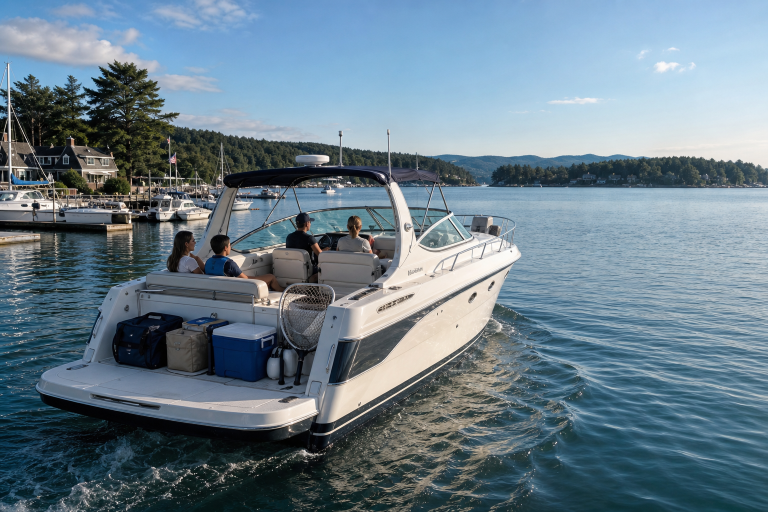
A great day on the water rarely happens by accident. Whether you own a fishing boat, a family cruiser, or are preparing for a day aboard a vessel from Tiara Yachts, a little preparation can turn a rushed outing into a comfortable experience for everyone.
The goal is not to create a complicated checklist that takes the fun out of boating. It is to handle the important details early, so the operator can focus on the water, the route, and the people on board once the day begins.
Why Good Planning Makes Boating More Enjoyable
Small details have a major effect on a boating day. A forgotten phone charger, a nearly empty fuel tank, missing sunscreen, or an unclear return time can create stress that follows the group from launch to dock. Preparing the night before gives you time to load supplies, inspect the boat, and make better decisions without the pressure of a crowded ramp or marina.
Planning also helps the operator stay present. When the safety gear is organized, the destination is realistic, and guests understand the basic rules, there is less need for last-minute problem-solving. That leaves more time to enjoy a shoreline lunch, an afternoon swim, or a quiet cruise.
Choose the Right Kind of Day on the Water
Match the itinerary to the boat, the group, and the expected conditions. A first-time guest may enjoy a short morning cruise in protected water more than a long offshore run. Families with children may prefer an easy route with time for swimming, snacks, and quiet breaks. Anglers may need an early start, while experienced operators can consider longer lake or coastal routes when conditions allow.
The best trip is not always the longest trip. A shorter outing with calm water, enough shade, and an unhurried return can create better memories than trying to fit too many stops into one day.
Check Weather, Water, and Local Conditions
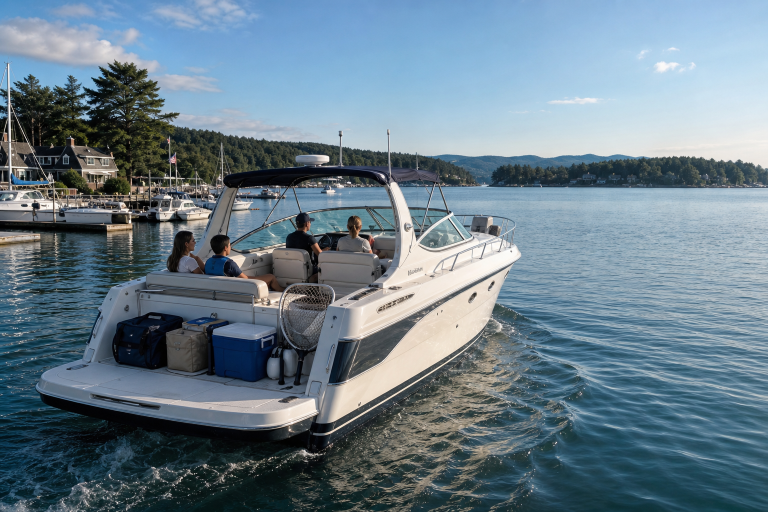
Review the forecast before departure, then continue paying attention while underway. Check wind direction, wave height, visibility, temperature, thunderstorm potential, and water conditions that affect your route. The National Weather Service boating safety guidance is a useful starting point for weather awareness, life jacket reminders, fog, cold-water concerns, and changing conditions.
- Compare the forecast with your boat’s capabilities and passenger experience.
- Check for restricted areas, special events, construction, unusual traffic, and ramp closures.
- Set a clear point at which you will delay, shorten, or cancel the trip.
- Remember that conditions at the dock may be much calmer than conditions farther from shore.
Build a Simple Pre-Departure Checklist
Boat and Mechanical Checks
- Confirm fuel level, estimated range, battery condition, engine fluids, and visible leaks.
- Test steering, throttle response, bilge pump, navigation lights, horn, and other essential systems.
- Secure loose gear and make sure the anchor, line, and basic tools are ready to use.
Safety Equipment and Passenger Needs
- Carry a properly fitted life jacket for every passenger, plus required signaling and fire-safety equipment.
- Bring a first-aid kit, charged phone or marine radio, flashlight, spare batteries, and personal medications.
- Pack drinking water, sun protection, motion-sickness supplies, light layers, towels, and dry storage for phones and bags.
Prepare Guests Before Leaving the Dock
A brief safety talk should feel welcoming, not formal. Show guests where life jackets are stored and explain where they should sit while the boat is moving. Point out handholds, railings, the swim ladder, and surfaces that may become slippery. Let everyone know the route may change if the weather, traffic, or passenger comfort changes.
Children need especially clear instructions about walking, climbing, and swimming. Explain what to do if someone falls overboard, and remind guests that the operator needs a quiet moment to focus when docking, navigating, or responding to changing conditions.
Pack for Comfort Without Overloading the Boat
Pack by function instead of bringing everything you might possibly need. Keep water, electrolyte drinks, hats, sunglasses, sunscreen, and light layers easy to reach. Choose simple snacks, sandwiches, fruit, and sealed containers that limit cleanup. Bring towels, wipes, trash bags, and a small dry bag for wet clothing or electronics.
Storage matters as much as the packing list. Keep heavy items low and secure, avoid blocking walkways, and make frequently used supplies accessible. A well-organized boat feels roomier and reduces the chance of items sliding, spilling, or becoming hazards underway.
Plan a Flexible Route With Backup Options
Choose a main destination, then identify a sheltered alternative nearby. Mark fuel docks, marinas, ramps, safe stopping points, and areas with limited visibility or heavy traffic. Estimate travel time both ways and leave room for slow zones, swimming, meals, docking delays, and an earlier return.
Share a basic float plan with someone on shore. Include the boat description, launch point, intended destination, expected return time, and emergency contact information. A backup route means a rising wind or tired passenger does not have to end the day in frustration.
Keep Technology Helpful, Not Distracting
Navigation apps, chartplotters, weather alerts, and marine radios are valuable tools, but they should support awareness rather than replace it. Charge devices before departure, protect them from spray, save key route information when coverage may be limited, and silence nonessential alerts while operating.
When practical, keep a paper backup of essential route details. If a device is creating confusion, slow down, use visual references, and return to basic seamanship.
Make Meals and Activities Easy to Manage
Serve food in small portions instead of planning one large meal that requires preparation on a moving boat. Schedule quiet periods between cruising, fishing, swimming, and sightseeing. Give children simple jobs, such as spotting landmarks or helping check the snack cooler, while keeping music low enough for everyone to hear instructions.
Know When to Change the Plan
Be ready to adjust when dark clouds build, the wind shifts toward your planned route, visibility drops, fuel use rises, or traffic becomes difficult to manage. Heat, fatigue, dehydration, and seasickness are also valid reasons to slow down, find shelter, or head back.
Current 2026 boating safety messaging continues to emphasize properly fitted life jackets, weather awareness, sober operation, required equipment, training, and telling someone your plan. California’s 2026 safe boating preparation guidance offers a practical example of these habits. Always check the rules for your state and waterway, since equipment standards, speed limits, registration requirements, and operator rules can vary.
Common Questions About Planning a Boating Day
How Far Should a Day Trip Go?
Distance should depend on fuel range, weather, traffic, passenger comfort, and operator experience. For a mixed group, a shorter route is often the smarter choice.
What Should Every Passenger Bring?
Guests should bring water, sun protection, suitable clothing, personal medication, and a phone in a waterproof case. The operator should provide the required safety equipment.
What Is the Most Common Planning Mistake?
Overconfidence is a common problem. Weather, fuel use, traffic, and passenger needs can change quickly, so leave room to adapt.
Conclusion
A low-stress boating day does not require an elaborate system. Check the weather, inspect the boat, give guests a short briefing, pack practical supplies, and keep the route flexible. When the basics are handled before departure, everyone has more time to enjoy the water safely and comfortably.
- 6 Bathroom Renovation Resources Spokane Homeowners Can Use for Safer, Easier-Care Spaces
- How R&D Center Helps People Find Personalized Drug Treatment in Philadelphia, Pennsylvania
- How Play Builds School Readiness for Preschoolers in Greensboro, North Carolina
- How to Choose the Right Way to Sell a House in Fayetteville, North Carolina
- Navigating Mental Health Resources and Therapy Options