

Key Takeaways
- Review recent closed sales before setting a realistic home value.
- Compare selling methods based on timing, costs, preparation, and net proceeds.
- Consider which repairs are necessary and which may not provide enough value.
- Gather deed, mortgage, tax, insurance, repair, and HOA records early.
- Compare offers beyond price, including contingencies, concessions, and closing dates.
- Verify title, ownership, liens, and other potential issues before closing.
- Understand Mississippi disclosure and contract requirements before signing.
- Factor in moving, storage, utilities, taxes, and other selling expenses.
- Choose a selling timeline that fits your financial and personal plans.
Selling a home in Olive Branch, Mississippi, involves more than placing a sign in the yard. From established neighborhoods near the center of town to homes on larger lots farther out in DeSoto County, each property has its own condition, buyer appeal, and timing considerations. Owners who need a simpler path may begin by exploring how to sell my house cash in Olive Branch, MS, especially when repairs, showings, or a firm moving deadline are concerns. For other sellers, a traditional listing may be the better fit. The strongest plan depends on the home’s likely market value, the cost of preparing it, the desired closing date, and the amount of uncertainty the owner is comfortable accepting. A clear process can make a major financial decision feel more manageable.
What Olive Branch Sellers Should Know About the Market
Online home-value tools and market reports can be useful starting points, but they do not replace a review of recent closed sales. Different reports may measure different groups of homes or use different reporting periods. A list price also shows what a seller hopes to receive, while a closed-sale price shows what a buyer actually paid. In Olive Branch, value can shift based on location, lot size, home age, maintenance history, updates, layout, and nearby amenities. A property in the 38654 area may appeal to a different buyer than a home closer to unincorporated county areas. Review comparable homes that are similar in size, style, condition, and location before setting expectations. Owners comparing regional options may also look at services that help people sell house fast in Memphis, TN. However, an Olive Branch home should still be evaluated on its own facts, including its condition, title status, and local buyer demand.
The Main Ways to Sell a House
There is no single right way to sell. Consider the trade-offs before choosing a route:
- List with an agent: This approach may provide marketing support, pricing guidance, and help coordinate showings and negotiations. It can also involve commissions, preparation work, and buyer financing contingencies.
- Sell independently: A direct owner sale gives the seller more control over marketing and communication, but the owner handles pricing, scheduling, paperwork coordination, and negotiations.
- Request a direct cash offer: This can reduce the need for open houses and lender approval. However, the offer should still be reviewed carefully against the expected net proceeds from other options.
- Rent the property: Renting may delay a sale, but it adds landlord responsibilities, maintenance needs, insurance considerations, and the possibility of vacancy.
How to Set a Realistic Asking Price
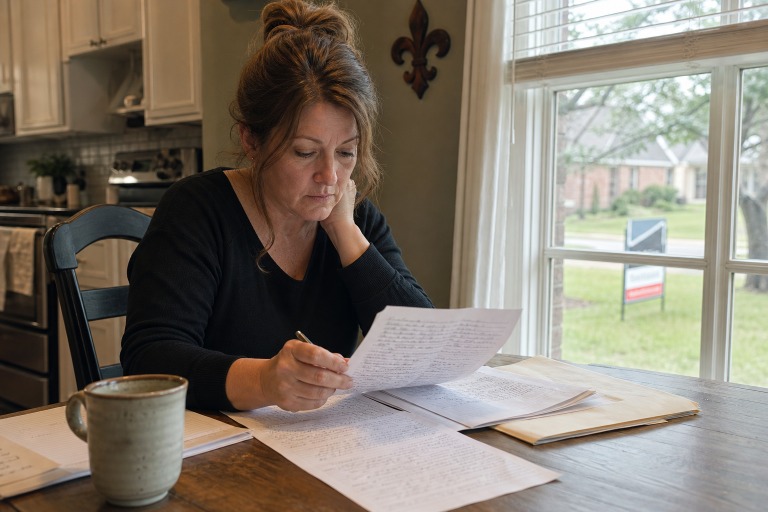
Start with comparable closed sales, then make reasonable adjustments for square footage, lot features, renovations, and deferred maintenance. Emotional value matters to an owner, but buyers generally compare a home against alternatives they can purchase now. Build a price range rather than attaching everything to a single number. Estimate the mortgage payoff, taxes, commissions or service fees, repairs, concessions, moving expenses, and any other closing costs. A higher list price can sometimes mean a longer wait and more negotiation, while a well-supported price may create stronger early interest.
What to Fix, Clean, or Leave Alone
Focus first on visible, affordable improvements. Fresh paint, working light fixtures, clean floors, trimmed landscaping, decluttered rooms, and repaired door handles can improve a buyer’s first impression. Address known safety concerns, active leaks, damaged railings, electrical issues, or other problems that could affect showings or inspections. Large remodels do not always return their full cost before closing. Before replacing a kitchen or undertaking major cosmetic work, compare the likely expense with the potential impact on value. Professional staging can help some occupied homes, while a property needing substantial work may be better sold in its current condition with clear expectations.
How Long a Home Sale May Take
A sale usually moves through several stages: selecting a selling method, gathering records, preparing the property, marketing or requesting offers, negotiating inspections, completing title work, and signing closing documents. A financed transaction may take longer because the buyer’s lender must complete its approval process. Cash purchases can eliminate lender timing issues, but title defects, liens, probate matters, repair disputes, or unclear ownership can still delay them.
How to Compare Offers Beyond Price
The highest number on an offer is not always the best result. Compare each written offer by looking at:
- The purchase price and the estimated amount the seller will receive after costs.
- Whether the buyer is paying cash or relying on financing.
- Inspection, appraisal, sale-of-other-property, and financing contingencies.
- Earnest money, requested concessions, repair requests, and closing date.
- Possession terms, including whether the seller needs time after closing to move.
An offer with a slightly lower price, fewer contingencies, and a dependable closing date may produce a more certain outcome than a higher offer with extensive conditions.
Mississippi Paperwork and Seller Disclosures
Gather the deed, mortgage information, tax records, insurance details, repair invoices, warranties, survey, utility information, and homeowners association documents early. These records can help answer buyer questions and reveal issues that should be addressed before closing. Sellers should review the property condition disclosure forms maintained by the Mississippi Real Estate Commission and provide information accurately based on their actual knowledge when disclosure requirements apply. Because exemptions and transaction details can vary, sellers should seek qualified legal or real estate guidance for their specific situation. A purchase contract should clearly address price, title, possession, taxes, utilities, included items, and contingencies. The contract terms involved in selling a home are important to read carefully before signing, particularly when inspection deadlines or financing conditions are involved.
When a Faster Sale May Make Sense
A shorter selling timeline may be practical after a job transfer, during an estate settlement, following a divorce, or when a vacant home is becoming expensive to maintain. It can also help when major repairs are beyond the owner’s budget or mortgage payments have become difficult. Speed should be weighed against the net proceeds, buyer reliability, and closing certainty.
Common Selling Mistakes to Avoid
- Pricing from memory, emotion, or one automated estimate.
- Ignoring liens, probate questions, or ownership issues until late in the process.
- Spending heavily on renovations without considering the likely return.
- Accepting an offer without understanding deadlines and contingencies.
- Failing to disclose known property concerns when required.
- Forgetting moving, storage, utility, tax, and closing expenses.
A Simple Olive Branch Home-Selling Checklist
- Choose a target date for listing or closing.
- Collect ownership, loan, tax, insurance, and repair records.
- Review recent comparable sales and estimate selling costs.
- Decide which repairs are necessary and which can wait.
- Select a selling method that fits the desired timeline.
- Compare all offers by net proceeds, conditions, and certainty.
- Track every contract deadline through closing.
- Keep copies of signed documents and settlement records.
Whether the home is move-in ready or needs attention, a thoughtful plan can make selling in Olive Branch more predictable. Price carefully, prepare only where it makes sense, verify the paperwork early, and choose terms that support both the financial goal and the next step ahead.
Conclusion
Selling a home in Olive Branch, Mississippi, is easier to manage when the decision is based on clear information rather than price or speed alone. Reviewing recent comparable sales, estimating the full cost of selling, and deciding which repairs are worth completing can help establish realistic expectations. Sellers should also gather important documents early, review title and ownership details, and understand the terms of any written offer before committing. Whether the home is sold through a traditional listing, independently, or through a direct cash offer, compare the complete picture, including net proceeds, contingencies, buyer reliability, closing dates, and other costs. A faster transaction can be useful when circumstances require it, but it should still include proper documentation and careful contract review. By preparing in advance and choosing a selling method that aligns with the property’s condition, financial priorities, and desired timeline, Olive Branch homeowners can approach the transaction with fewer avoidable complications and a clearer understanding of what to expect through to closing.
- Selling a House in Olive Branch, MS: A Practical Guide to Price, Pace, and Paperwork
- A Practical Home-Sale Checklist for Lakeland, Tennessee Homeowners
- After Death And Meaning: A Practical Guide To Grief, Hope, And End-Of-Life Conversations
- What to Do in the First Few Minutes of a Suspected Cardiac Arrest
- 6 Leading Dental Implant Providers In Palm Beach County