

Key Takeaways
- Non-surgical skin tightening treatments work at different depths and address different concerns.
- The right option depends on the degree of laxity, skin texture, treatment area, downtime, and personal goals.
- Collagen-related improvement is often gradual, so results may take weeks or months to develop.
- These procedures can help with mild to moderate laxity, but they do not remove excess skin or duplicate surgical lifting.
- Provider training, device selection, realistic expectations, and safety screening matter as much as the treatment category.
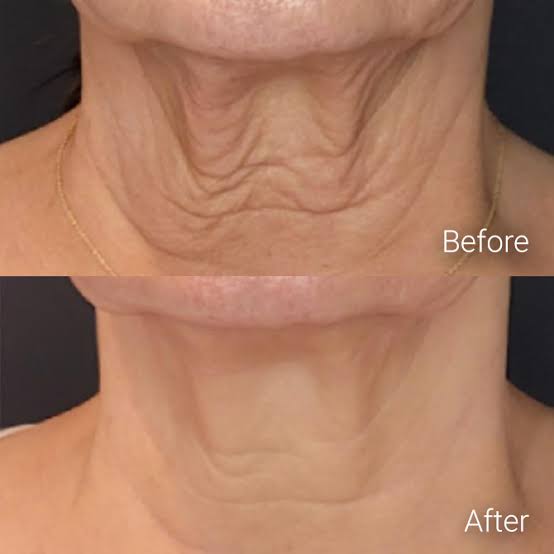
Non-surgical skin tightening can be appealing for people who want firmer-looking skin without an operation or lengthy recovery. Options range from surface-focused treatments to procedures that deliver energy deeper beneath the skin. An XTherma treatment, for example, may be part of a broader conversation about heat-based approaches for improving the appearance of skin laxity.
The challenge is that similar marketing language can describe very different procedures. “Tightening,” “rejuvenation,” and “collagen stimulation” are broad terms, not guarantees of a particular result. The best comparison starts with the concern being treated, then considers treatment depth, recovery, risks, and the qualifications of the person performing the procedure.
Why Skin Tightening Choices Can Feel Confusing
Radiofrequency, ultrasound, laser treatments, and microneedling are frequently grouped together because each may be used to improve the appearance of aging skin. However, they use different forms of energy, reach different tissue levels, and may involve very different aftercare. A non-surgical procedure can still cause redness, swelling, discomfort, pigment changes, burns, or other complications, so it should be evaluated carefully rather than chosen by name alone.
Start With the Main Skin Concern
A treatment should match the concern, not the trend. Mild looseness may call for a different plan than moderate sagging, rough texture, fine lines, discoloration, lost facial volume, or localized fullness. Loose skin on the neck, for instance, is a structural concern, while rough texture may respond better to a resurfacing-focused approach. Fillers address volume loss, wrinkle-relaxing injections address muscle movement, and fat-reduction procedures address fullness. None of those goals is identical to skin tightening.
How the Main Treatment Categories Differ
Radiofrequency Treatments
Radiofrequency uses electrical energy to create controlled heating in tissue. Depending on the device and treatment plan, it may focus on surface-level skin changes or reach deeper layers associated with collagen support. It is commonly considered for the face, neck, arms, abdomen, and other areas with mild laxity. Results are generally gradual, and the number of sessions can vary by technology and the treatment goal.
Ultrasound-Based Treatments
Ultrasound-based procedures use focused sound energy to target selected depths beneath the skin. Because the target can be deeper than the skin surface, the sensation and recovery experience may differ from radiofrequency treatments. Ultrasound and radiofrequency are not interchangeable, even when both are described as tightening options.
Laser-Based Treatments
Laser treatments may be non-ablative or ablative. Non-ablative options generally heat tissue without removing the outer skin layer, while ablative resurfacing removes controlled portions of the surface. Some lasers are selected primarily for tone, texture, and fine lines, while more intensive resurfacing may also improve the appearance of firmness. In general, stronger resurfacing can involve more noticeable recovery.
Microneedling and Radiofrequency Microneedling
Traditional microneedling uses tiny needles to create controlled micro-injuries in the skin. Radiofrequency microneedling combines needles with heat delivered at selected depths. These procedures may involve temporary redness, swelling, pinpoint bleeding, or a longer recovery period than treatments that leave the skin intact. The FDA has warned about serious complications reported with certain uses of radiofrequency microneedling, including burns, scarring, fat loss, disfigurement, and nerve damage. Ask who will perform the procedure, which device will be used, and what training the provider has with that device.
Match Treatment Depth to the Desired Result
- Surface level: Often relates to texture, uneven tone, and fine lines.
- Mid-level: May support gradual collagen remodeling and a firmer appearance.
- Deeper level: May be considered when the goal involves more visible laxity or contour support.
Reaching a deeper layer does not automatically mean a treatment is better. It may affect comfort, recovery, risk, and whether the procedure fits the area being treated. Even an effective non-surgical option may improve firmness without creating the repositioning or excess-skin removal achieved through surgery.
What Results Can You Reasonably Expect?
Results vary with age, skin quality, sun exposure, lifestyle, degree of laxity, and the procedure selected. Mild to moderate laxity often has more room for visible improvement than heavy or markedly loose skin. Temporary warmth, redness, swelling, or early firmness may occur after treatment, but collagen-related changes often emerge gradually over several weeks or months. Maintenance may be recommended because natural aging continues.
Compare Downtime, Comfort, and Convenience
When comparing options, consider the full experience rather than appointment length alone:
- Whether the treatment leaves the skin intact or creates controlled skin injury.
- Expected redness, swelling, tenderness, or peeling.
- Whether numbing cream or other comfort measures may be used.
- When work, exercise, makeup, and sun exposure can safely resume.
- Whether one session or a treatment series is expected.
- How long will it take before changes become visible?
- What aftercare, including sun protection and skincare adjustments, is needed?
Safety Questions to Ask Before Booking
- What energy or technology does this procedure use?
- Which skin or tissue layer does it target?
- Who will perform it, and what training do they have?
- What side effects and complications are possible?
- Is the device cleared, authorized, or otherwise marketed for the intended use?
- What is the plan if the result is uneven or does not meet expectations?
The FDA notes that aesthetic devices can involve risks and temporary effects. A consultation should include your medical history, medications, prior procedures, skin type, and the presence of infections, wounds, implants, or metal near the treatment area when relevant to the technology.
When Non-Surgical Treatment May Not Be Enough
Significant excess skin, pronounced jowls, or severe sagging may be better evaluated with a surgical consultation. An honest assessment should distinguish laxity from fat, volume loss, wrinkles caused by facial movement, and surface damage. One procedure cannot reliably correct every cause of facial aging.
How to Compare Costs Fairly
Compare the complete treatment plan, not only the price of one appointment. Ask whether the estimate includes consultation fees, numbing, follow-up visits, aftercare products, the expected number of sessions, and maintenance. Cosmetic procedures are commonly paid for out of pocket, so a clear written plan can make comparisons more meaningful.
A Simple Decision Checklist
- Define the main concern and desired level of improvement.
- Decide how much downtime is acceptable.
- Ask what tissue layer the treatment reaches.
- Review risks, contraindications, and realistic outcomes.
- Confirm the provider’s experience with the specific technology.
- Get a clear plan for sessions, follow-up, and maintenance.
Conclusion: Choose the Treatment That Fits the Goal
There is no single best non-surgical skin-tightening treatment for everyone in 2026. The most appropriate choice depends on the cause and degree of laxity, the treatment area, acceptable recovery time, and the provider’s judgment and experience. A thoughtful consultation can help turn broad marketing claims into a plan that fits your skin, goals, and safety needs.
- How to Compare Non-Surgical Skin Tightening Options
- Exploring Next-Generation Wellness Trends: A Beginner’s Guide to Advanced Health Peptides
- Comprehensive Approaches to Mental Health and Behavioral Support
- Accessible Home Modifications for Seniors and Handicapped Individuals
- 6 Bathroom Renovation Resources Spokane Homeowners Can Use for Safer, Easier-Care Spaces