

What Is Hormone Optimization Therapy?

Are you searching for ways to feel more energetic, sharper, and healthier as you age? Many of us notice subtle shifts in our bodies and minds over time. We often wonder if there are effective strategies to regain our vitality. This search frequently leads us to explore various health and wellness centers near us, looking for comprehensive solutions that align with our personal goals.
One area gaining significant attention in the pursuit of long-term well-being is hormone optimization therapy. This approach goes beyond simply treating symptoms. It focuses on balancing your body’s natural chemistry to support overall health. It’s about finding personalized, science-driven wellness programs that address your unique needs.
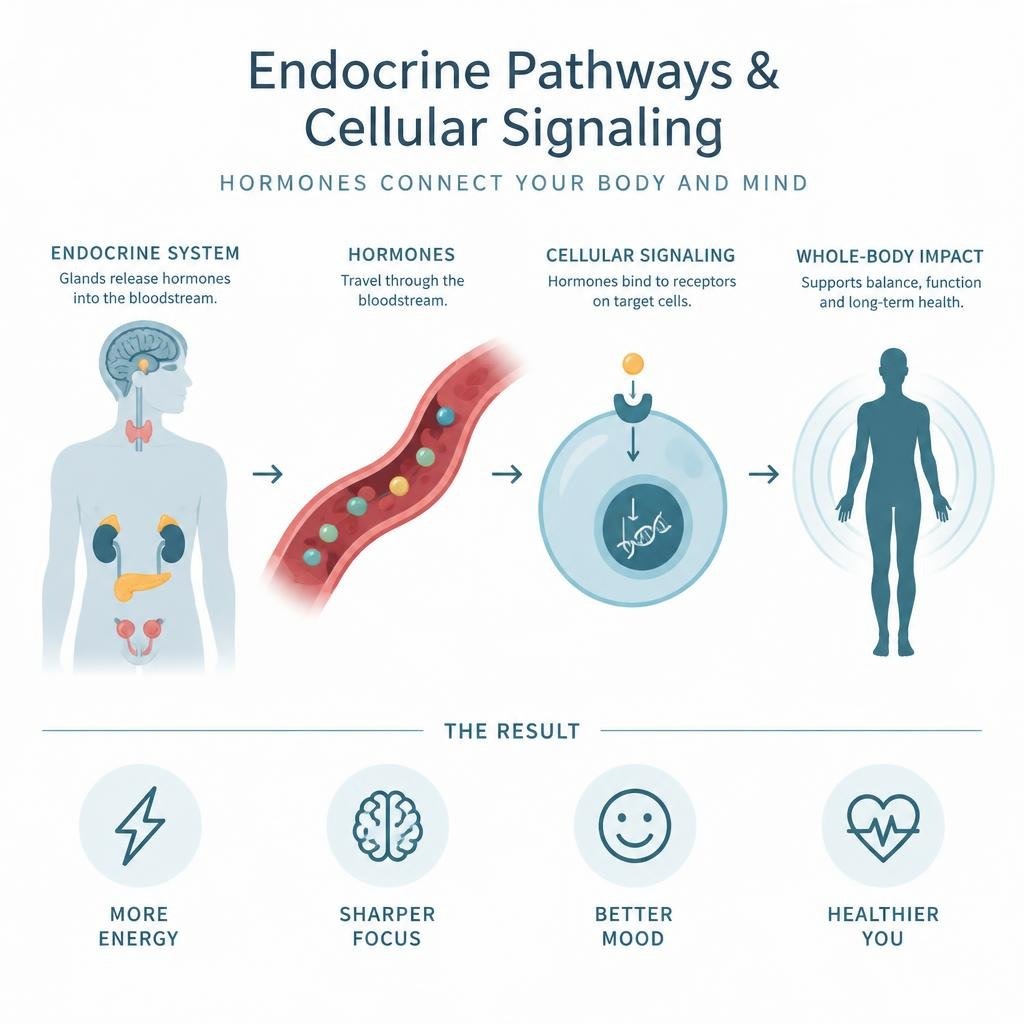
In this guide, we will explore what hormone optimization therapy entails. We will delve into its clinical benefits for metabolic function, cognitive health, and emotional well-being. We will also discuss the diagnostic processes and how these therapies are integrated into holistic wellness plans. By understanding these aspects, we aim to help you make informed decisions about your health journey.
Hormone optimization therapy (HOT) represents a forward-thinking approach to health that focuses on restoring and maintaining optimal hormone levels within the body. Unlike traditional hormone replacement therapy, which often targets specific deficiencies with standardized treatments, HOT aims for a more nuanced and individualized balance. It’s rooted in the understanding that hormones are powerful chemical messengers that regulate virtually every bodily function, from metabolism and mood to energy levels and cellular repair. As we age, typically starting in our 30s and 40s, our hormone production can naturally decline or become imbalanced, leading to a wide array of symptoms that can diminish our quality of life. These can include fatigue, weight gain, decreased libido, mood swings, and cognitive fog.
At its core, HOT is a form of preventive care, seeking to mitigate the effects of age-related hormonal decline and promote long-term vitality. It involves a comprehensive evaluation of an individual’s endocrine system, which includes glands like the thyroid, adrenal glands, and gonads. The goal is not just to alleviate current symptoms but to proactively support cellular aging processes and maintain systemic balance. Many health and wellness centers, recognizing the intricate connection between hormones and overall well-being, now offer HOT as a cornerstone of their personalized health programs. This allows for a more integrated approach, often combining hormone therapy with nutritional guidance, lifestyle modifications, and stress management techniques to achieve holistic health outcomes.
Feature Bioidentical Hormones (BHRT) Conventional Synthetic Hormones (HRT) Molecular Structure Identical to hormones naturally produced by the human body Chemically altered, not identical to human hormones Source Typically derived from plant compounds (e.g., soy, wild yams) Often derived from animal sources (e.g., pregnant mare’s urine) or synthetic chemicals Customization Highly individualized dosing and formulations (compounded) Standardized dosages and formulations Receptor Binding Designed to fit perfectly into human hormone receptors May not fit perfectly, potentially leading to different physiological responses Side Effects Generally considered to have fewer or milder side effects due to body recognition May have a higher incidence of side effects due to chemical differences AdministrationAvailable in various forms: creams, gels, pellets, injections, oral Primarily oral pills, patches, or injections Focus Restoring optimal physiological levels and balance Replacing deficient hormone levels to alleviate symptoms Regulatory Status Compounded BHRT is not FDA-approved; some commercial BHRT is approved FDA-approved for specific indications Patient Perception Often preferred by patients seeking a “natural” approach Widely used for decades, established efficacy for certain conditions Key Principles of Hormone Optimization Therapy
The efficacy of hormone optimization therapy lies in its adherence to several key principles that differentiate it from conventional hormone replacement. Firstly, HOT primarily utilizes bioidentical compounds. These are hormones that are chemically and structurally identical to those naturally produced by the human body. This molecular structure is crucial because it allows the hormones to interact with cellular receptors precisely as endogenous hormones would, potentially leading to more natural physiological responses and fewer side effects. Unlike synthetic hormones, which often have altered molecular structures, bioidentical hormones are designed to be recognized and utilized seamlessly by the body.
Secondly, HOT emphasizes achieving physiological ranges rather than merely correcting overt deficiencies. The goal is not just to fall within a broad “normal” laboratory range but to optimize hormone levels to those typically associated with peak health and vitality in younger adults. This focus on optimal ranges is what drives the “optimization” aspect of the therapy, aiming for a proactive state of well-being rather than just symptom management. This approach acknowledges that even levels considered “normal” by standard lab tests might still be suboptimal for an individual’s unique biology and lifestyle.
Finally, individualized dosing is a cornerstone of hormone optimization therapy. Treatment plans are meticulously tailored to each patient, based on comprehensive diagnostic testing, a thorough review of symptoms, and lifestyle factors. There is no one-size-fits-all approach. Dosages are carefully adjusted and monitored over time, ensuring that the body receives precisely what it needs to restore balance without over- or under-dosing. This personalized approach often involves compounded pharmacies that can create custom formulations and strengths, allowing for precise control over the therapeutic regimen. This meticulous attention to detail and personalization is what allows HOT to address the unique hormonal landscape of each individual, fostering a more effective and sustainable path to improved health.
Bioidentical vs. Synthetic Formulations
The distinction between bioidentical and synthetic hormone formulations is a critical aspect of understanding hormone optimization therapy. While both aim to address hormonal imbalances, their chemical structures and how they interact with the body’s systems differ significantly.
Synthetic hormones, often used in conventional hormone replacement therapy (HRT), are chemically altered versions of natural hormones. They are designed to mimic the effects of endogenous hormones but are not identical in their molecular structure. For example, many traditional estrogen replacement therapies use conjugated equine estrogens, derived from pregnant mare’s urine, and synthetic progestins (progestin derivatives). Because their molecular structure is not an exact match, they may bind to hormone receptors differently, potentially leading to a broader range of physiological effects, some of which may be undesirable. This difference in receptor binding can sometimes contribute to a higher incidence of side effects or a less natural response from the body.
In contrast, bioidentical hormones are manufactured to have the exact same molecular structure as the hormones naturally produced by the human body. These are typically derived from plant-based sources, such as soy or wild yams, and then chemically processed to become identical to human estradiol, progesterone, testosterone, and DHEA. Because they are structurally identical, the body’s hormone receptors recognize them perfectly, allowing for more precise and natural physiological responses. This precise fit is believed to be a key reason why many patients and practitioners report fewer side effects and more effective symptom relief with bioidentical formulations.
The pharmacokinetic profiles also differ. Synthetic hormones often have patented structures, allowing pharmaceutical companies to produce them as standardized drugs. Bioidentical hormones, especially those compounded by pharmacies, allow for tailored administration in various forms—creams, gels, pellets, or injections—and at specific dosages to meet an individual’s unique needs. This tailored administration, combined with their natural molecular structure, is a hallmark of hormone optimization therapy, enabling practitioners to fine-tune treatment plans for optimal results and patient comfort.
Clinical and Metabolic Benefits
Optimizing hormone levels can unlock a cascade of clinical and metabolic benefits that profoundly impact overall health and well-being. When hormones are in balance, the body functions more efficiently, leading to improvements across various physiological systems. One of the most commonly sought-after benefits is the positive impact on metabolic rate and body composition. Hormones like thyroid hormones, testosterone, and growth hormone play crucial roles in regulating metabolism. Suboptimal levels can lead to a sluggish metabolism, making it difficult to maintain a healthy weight. Patients often report an improved ability to manage their weight, with many experiencing a reduction in visceral fat—the dangerous fat that accumulates around abdominal organs—and an enhanced capacity for muscle preservation and growth. This is particularly important as we age, when sarcopenia (age-related muscle loss) becomes a significant concern.
Beyond body composition, balanced hormones contribute to sustained energy levels, improved sleep quality, and a general sense of vitality. Many individuals struggling with hormonal imbalances experience chronic fatigue, even after adequate rest. By addressing these underlying issues, hormone optimization can help restore the body’s natural energy production pathways. It also positively influences cardiovascular health, bone density, and immune function, acting as a comprehensive strategy for age management. The integrated approach of many health and wellness centers means that these hormonal interventions are often paired with complementary strategies, such as personalized nutrition plans and exercise regimens, further amplifying the metabolic advantages.

Metabolic Function and Energy Production
The intricate relationship between hormones and metabolic function is foundational to our overall health and energy levels. Hormone optimization therapy directly targets several key areas that can dramatically improve how our bodies process energy and maintain metabolic balance.
One significant area is insulin sensitivity. Hormones such as estrogen, testosterone, and growth hormone play a role in how effectively our cells respond to insulin. When these hormones are out of balance, insulin resistance can develop, leading to elevated blood sugar, increased fat storage, and a higher risk of metabolic syndrome and type 2 diabetes. By optimizing hormone levels, we can help restore insulin sensitivity, allowing glucose to be efficiently transported into cells for energy, rather than being stored as fat.
Mitochondrial activity, the powerhouse of our cells, is also profoundly influenced by hormones. Thyroid hormones, for instance, are critical for regulating mitochondrial function and cellular energy production. Suboptimal thyroid levels can lead to reduced mitochondrial efficiency, manifesting as fatigue, low energy, and a slower metabolism. Hormone optimization can support robust mitochondrial activity, ensuring that cells have the energy they need to perform their functions optimally, leading to sustained energy throughout the day.
Furthermore, balanced hormones contribute to more effective glucose regulation. Stable blood sugar levels prevent the energy crashes and cravings often associated with hormonal imbalances. When the body can efficiently manage glucose, it avoids the rollercoaster of high and low energy, providing a more consistent and reliable energy supply. This improved metabolic efficiency not only enhances physical energy but also supports cognitive function and overall vitality, allowing individuals to engage more fully in their daily lives and activities.
Cognitive Function and Emotional Well-Being
The impact of hormone optimization therapy extends far beyond physical health, significantly influencing cognitive function and emotional well-being. Hormones are intimately involved in brain health, regulating neurotransmitter activity, neuronal growth, and synaptic plasticity. When hormones like estrogen, testosterone, thyroid hormones, and cortisol are in balance, the brain functions optimally, leading to enhanced mental clarity and stability.
Neuroprotection is a key benefit. Hormones such as estrogen and testosterone have been shown to have protective effects on brain cells, potentially reducing the risk of neurodegenerative conditions. Optimal levels can support the health and longevity of neurons, contributing to better memory, focus, and overall cognitive processing. Patients often report a reduction in “brain fog,” improved concentration, and a sharper ability to recall information, making daily tasks and complex problem-solving feel more manageable.
Mood regulation is another critical aspect. Hormonal imbalances are frequently linked to mood swings, irritability, anxiety, and even depression. For example, declining estrogen levels during perimenopause and menopause can contribute to depressive symptoms, while low testosterone in men is associated with decreased mood and vitality. By restoring hormonal equilibrium, HOT can stabilize mood, reduce emotional volatility, and foster a greater sense of calm and well-being. This is achieved through the hormones’ influence on neurotransmitters like serotonin, dopamine, and GABA, which are central to emotional balance.
Moreover, hormone optimization can significantly improve sleep architecture. Hormones such as melatonin and progesterone are crucial for regulating sleep cycles. Imbalances can lead to insomnia, restless sleep, and a lack of restorative sleep. By addressing these imbalances, HOT can help re-establish healthy sleep patterns, allowing the body and mind to fully rest and rejuvenate. Better sleep, in turn, has a profound positive impact on both cognitive function and emotional resilience, creating a virtuous cycle of improved health.
Diagnostic Evaluation and Treatment Pathways
Embarking on a hormone optimization journey begins with a thorough and precise diagnostic evaluation. This initial phase is crucial because effective treatment hinges on an accurate understanding of an individual’s unique hormonal landscape. We typically start with comprehensive labwork, which can include various methods to assess hormone levels. Serum testing, a blood test, is a common approach, providing a snapshot of circulating hormone levels. This can measure key hormones such as total and free testosterone, estradiol, progesterone, DHEA, cortisol, and thyroid hormones (TSH, free T3, free T4).
In addition to blood tests, some practitioners also utilize saliva testing, which can provide insights into bioavailable hormone levels—the hormones actively available to tissues. Saliva tests are particularly useful for assessing steroid hormones and their diurnal rhythms, such as cortisol, throughout the day. A baseline evaluation is established by combining these objective lab results with a detailed review of the patient’s medical history, current symptoms, and lifestyle factors. This holistic assessment helps identify specific imbalances, deficiencies, or excesses that are contributing to the patient’s concerns. This detailed diagnostic phase is a cornerstone of personalized medicine, ensuring that any subsequent treatment pathway is precisely tailored to the individual’s needs rather than a generic protocol.
Diagnostic Biomarkers and Monitoring
In hormone optimization therapy, the selection and consistent monitoring of specific diagnostic biomarkers are paramount for ensuring both safety and efficacy. These biomarkers provide objective data that, when combined with symptomatic feedback, guide the treatment process.
Key hormones routinely measured include free testosterone and estradiol levels. Free testosterone, rather than total testosterone, is often considered a more accurate indicator of the biologically active form of the hormone, as it’s not bound to proteins and is available for cellular use. Similarly, estradiol, a potent form of estrogen, is closely monitored, particularly in women, but also in men, as its balance with testosterone is vital for overall health.
A comprehensive thyroid panel is also essential, extending beyond just Thyroid Stimulating Hormone (TSH) to include free T3 and free T4. TSH indicates how the pituitary gland is communicating with the thyroid, while free T3 and T4 represent the active thyroid hormones directly impacting metabolism and energy. Optimal thyroid function is critical for almost every bodily system, and even subclinical imbalances can cause significant symptoms.
Furthermore, assessing the cortisol rhythm is crucial for understanding adrenal function and stress response. Cortisol, often measured through saliva tests at multiple points throughout the day, reveals how the body manages stress and influences energy levels, sleep patterns, and inflammation. Imbalances in cortisol can lead to chronic fatigue, anxiety, and impaired immune function.
Ongoing monitoring of these and other relevant biomarkers (such as DHEA, vitamin D, and sometimes growth factors) is not a one-time event but an integral part of the treatment pathway. Regular follow-up lab work allows practitioners to track progress, make necessary dosage adjustments, and ensure hormone levels remain within optimal physiological ranges, adapting the plan as the body responds and changes over time.
Navigating Customized Hormone Optimization Therapy
Once a thorough diagnostic evaluation has established an individual’s unique hormonal profile, the process shifts to navigating a customized hormone optimization therapy plan. This is where the principles of personalized medicine truly come to life, moving beyond a one-size-fits-all approach to health.
The core of customized therapy involves ongoing monitoring. This isn’t just about initial lab tests; it’s about regular follow-up appointments and subsequent lab work to track how the body is responding to treatment. These check-ins are crucial for assessing both the objective changes in biomarker levels and the subjective improvements in symptoms reported by the patient. The frequency of monitoring typically varies based on the initial assessment and the phase of treatment, but it’s a continuous dialogue between patient and practitioner.
Based on this ongoing monitoring, dosage titration becomes a key component. Hormones are potent, and even small adjustments can have significant effects. Practitioners meticulously adjust dosages, increasing or decreasing them as needed, to ensure that hormone levels are brought into and maintained within the optimal physiological ranges. This iterative process is designed to find the “sweet spot” for each individual, maximizing benefits while minimizing potential side effects. The precision required for this titration often necessitates the use of compounded bioidentical hormones, which can be formulated in specific strengths and delivery methods.
Clinical supervision is paramount throughout this process. A qualified healthcare professional, experienced in hormone optimization, provides expert guidance, interprets lab results, and makes informed decisions about the treatment plan. This oversight ensures that the therapy is safe, effective, and aligned with the patient’s overall health goals. The practitioner also educates the patient, empowering them to understand their body’s responses and actively participate in their health journey.
The goal of customized hormone optimization therapy is to achieve specific therapeutic targets. These targets are not just about normalizing lab values but about restoring vitality, alleviating symptoms, and enhancing overall quality of life. This includes improving energy, mood, sleep, cognitive function, and physical performance, all while promoting long-term health and preventing age-related decline.
Integrating Whole-Body Health and Lifestyle Strategies
Hormone optimization therapy, while powerful on its own, achieves its most profound and sustainable results when integrated within a broader framework of whole-body health and lifestyle strategies. We understand that hormones don’t operate in isolation; they are deeply interconnected with nutrition, physical activity, stress levels, and environmental factors. Therefore, a truly comprehensive approach to wellness at health and wellness centers often combines hormone therapy with complementary interventions.
Personalized nutrition plans are a cornerstone of this integrative model. What we eat directly impacts our hormonal balance, gut health, and inflammatory responses. A diet rich in whole foods, healthy fats, lean proteins, and complex carbohydrates supports endocrine function, provides essential nutrients for hormone synthesis, and helps maintain a healthy weight. Conversely, diets high in processed foods, sugar, and unhealthy fats can disrupt hormones and exacerbate inflammation. Practitioners often work with patients to develop customized eating strategies that complement their hormone therapy, focusing on foods that promote balance and vitality.
Resistance training and regular physical activity are also critical. Exercise not only helps maintain muscle mass and bone density but also positively influences hormone levels, including testosterone, growth hormone, and insulin sensitivity. It’s a natural way to boost energy, improve mood, and support metabolic health. Whether it’s strength training, cardiovascular exercise, or flexibility work, incorporating consistent movement into daily life amplifies the benefits of hormone optimization.
Stress reduction techniques are equally vital. Chronic stress elevates cortisol levels, which can disrupt the balance of other hormones, leading to fatigue, weight gain, and mood disturbances. Practices such as mindfulness, meditation, yoga, deep breathing exercises, and adequate sleep are essential for managing stress and fostering hormonal equilibrium. Many health and wellness centers offer resources or referrals for these practices, recognizing their importance in a holistic treatment plan.
By thoughtfully integrating hormone optimization with these lifestyle strategies, we create a synergistic effect that promotes long-term vitality and systemic equilibrium. This comprehensive approach ensures that patients are not just treating symptoms but are building a foundation for enduring health and well-being.

Frequently Asked Questions About Hormone Health
As hormone optimization therapy becomes more recognized for its potential to enhance well-being, many individuals have questions about its practical application and expected outcomes. Here, we address some of the most common inquiries to provide clarity and insight into this specialized field of health.
How quickly do patients experience clinical improvements?
The therapeutic timeline for experiencing clinical improvements with hormone optimization therapy can vary significantly from person to person. While some individuals report noticeable changes in energy, mood, or sleep within a few weeks, others may take several months to feel the full effects. This depends on several factors, including the severity of the initial hormonal imbalance, the specific hormones being optimized, the individual’s overall health status, and their adherence to lifestyle recommendations. For instance, improvements in energy and sleep often manifest sooner, while changes in body composition or cognitive clarity might require more sustained physiological adaptation. Hormone optimization is a gradual process aimed at restoring balance, not a quick fix. Consistent follow-up and patience are key to achieving optimal and lasting results.
What distinguishes optimization from standard replacement?
The primary distinction between hormone optimization and standard hormone replacement therapy (HRT) lies in their respective goals and methodologies. Standard HRT typically aims to replace hormones to bring levels within conventional “normal” reference ranges, primarily to alleviate severe symptoms associated with significant deficiencies, such as menopausal hot flashes or andropausal symptoms. The focus is often on symptom management and preventing specific deficiency-related diseases.
In contrast, hormone optimization therapy takes a more proactive and nuanced approach. It seeks to achieve optimal physiological ranges, which may be at the higher end of the conventional “normal” spectrum or even slightly above, mimicking the levels typically seen in younger, healthier adults. The goal is not just symptom relief but also preventive targets, aiming to enhance vitality, improve metabolic function, support cognitive health, and promote overall longevity. This often involves individualized dosing and a continuous process of fine-tuning to reach personalized thresholds for peak well-being, rather than simply meeting a minimum replacement level.
How are treatment plans adjusted over time?
Treatment plans in hormone optimization therapy are dynamic and continuously adjusted over time to ensure ongoing efficacy and safety. This iterative process begins with regular follow-up labs, typically every three to six months initially, to monitor hormone levels and other relevant biomarkers. These lab results provide objective data on how the body is responding to the therapy.
Equally important is the symptom re-evaluation. During follow-up consultations, practitioners thoroughly discuss any changes in symptoms, energy levels, mood, sleep, or physical performance. This subjective feedback from the patient is crucial, as it provides a real-world perspective on how the therapy is impacting their daily life. Based on the combination of objective lab data and subjective symptom reports, the healthcare provider, under their clinical oversight, will make necessary dosage adjustments. This might involve increasing or decreasing the dose of a particular hormone, changing the delivery method, or introducing additional supportive therapies. The goal is to continuously refine the treatment plan to maintain optimal hormonal balance as the body adapts and evolves, ensuring that the patient remains in a state of peak health and well-being.
Conclusion
In our pursuit of sustained vitality and a higher quality of life, understanding and addressing hormonal balance has emerged as a cornerstone of modern health and wellness. Hormone optimization therapy offers a sophisticated, personalized approach that moves beyond mere symptom management, aiming instead for systemic equilibrium and proactive wellness. By restoring hormones to optimal physiological ranges, we can unlock profound benefits across metabolic function, cognitive clarity, emotional well-being, and physical performance.
The journey begins with a meticulous diagnostic evaluation, followed by customized treatment plans utilizing bioidentical hormones and continuous clinical oversight. However, the true power of hormone optimization is realized when it is integrated with comprehensive lifestyle strategies—including personalized nutrition, consistent physical activity, and effective stress management. This holistic approach, often championed by leading health and wellness centers, empowers individuals to not only mitigate the effects of aging but to actively cultivate long-term vitality. As we look towards October 2026 and beyond, embracing such science-driven, integrative wellness programs will undoubtedly be key to thriving in every stage of life.
- 6 Best Walk-In Tub Installers In Sacramento And The Bay Area
- Understanding the Benefits of Hormone Optimization Therapy
- Fort Lauderdale, Florida Property Cleanout Guide: How to Plan a Smooth Clear-Out
- Enhancing Your Backyard with an Outdoor Shower Installation
- How West Odessa, Texas Homeowners Can Plan a Remodel for Heat, Wind, and Everyday Life