

Key Takeaways
- The lowest list price is not always the lowest total cost of ownership.
- Vehicle history, maintenance records, inspections, and test drives should be reviewed together.
- Mileage matters, but maintenance quality and prior driving conditions matter, too.
- Compare written-out-the-door prices rather than monthly payments alone.
- Choose a vehicle that suits Orlando’s heat, rain, traffic, and the needs of passengers and cargo.
- Check the VIN for open safety recalls before purchase.
Buying a pre-owned vehicle in Central Florida means looking past the number on the windshield. Orlando drivers may need a comfortable commuter for I-4, dependable air conditioning for humid afternoons, room for visiting family, or the capability to handle weekend trips toward the coast. Comparing inventory from car dealerships Orlando can be a useful starting point, but the strongest choice is the one that fits both your daily routine and your full ownership budget.
A low advertised price can be appealing, yet it does not reveal everything about a vehicle’s condition, repair needs, financing cost, or expected fuel use. A careful comparison helps Orlando shoppers find a used car, truck, or SUV that remains practical after the paperwork is complete.
1. Look Beyond the Sticker Price
Two similarly priced vehicles can represent very different values. One may have newer tires, documented oil changes, working climate controls, and a clean inspection. Another may need brakes, tires, suspension work, or air-conditioning service soon after purchase. In Orlando, where sudden rainstorms and summer heat put extra importance on tires, wipers, cooling systems, and air conditioning, immediate repair needs deserve close attention.
2. Set a Complete Budget Before Shopping
Set a maximum purchase price, then reserve funds for tax, title, registration, insurance, fuel, maintenance, and unexpected repairs. If financing is involved, estimate the down payment, loan amount, interest cost, and monthly payment. An emergency repair reserve can prevent a manageable purchase from becoming a financial strain.
For shoppers who want to compare different body styles and features in one place, a local CDJR dealership may make it easier to evaluate sedans, SUVs, and trucks side by side. Keep the comparison focused on your actual needs, such as school drop-offs, airport-area commuting, home projects, or regular highway travel.
3. Compare Listings on the Same Terms
Create a simple notes page for each vehicle so that one attractive price does not overshadow important differences. Compare like with like whenever possible.
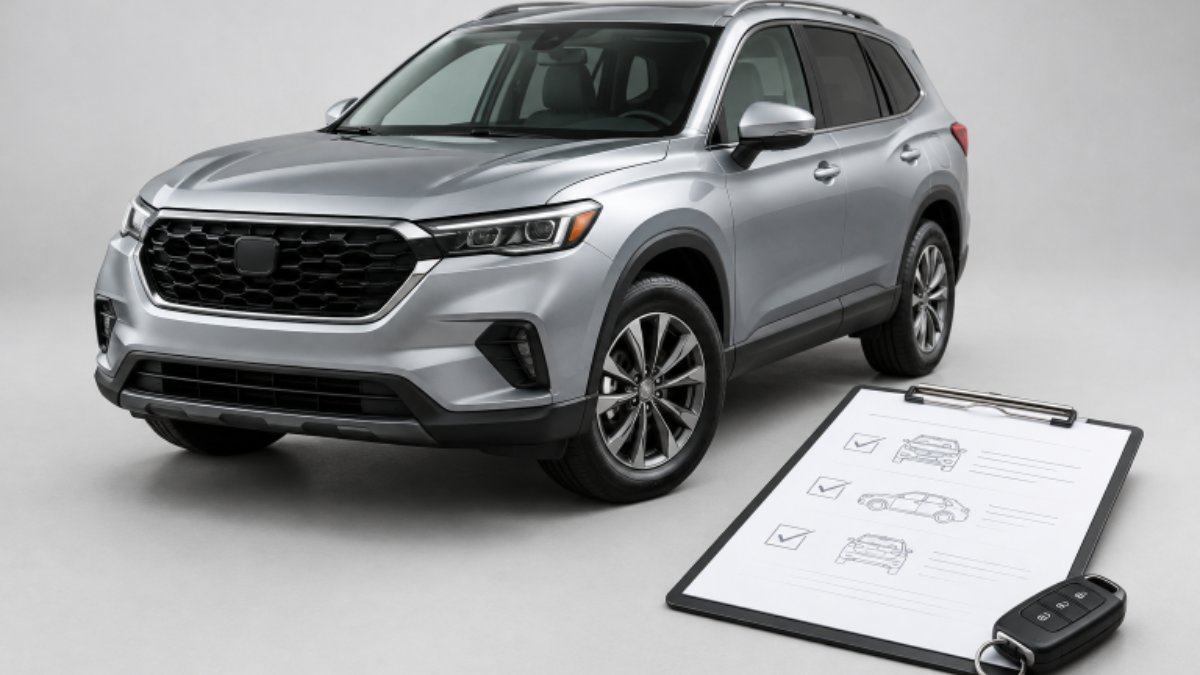
- Year, make, model, trim, and drivetrain
- Asking price and written out-the-door price
- Odometer reading and number of prior owners, when available
- Title status, accident history, and reported flood damage
- Recent maintenance, tire condition, brake condition, and warranty coverage
- Fuel economy, cargo room, seating, towing needs, and parking convenience
- Location of the vehicle and the cost or time required to inspect it
4. Review History and Condition
A vehicle history report can help identify title branding, reported accidents, ownership changes, odometer entries, and certain fleet or rental use. It cannot confirm that every repair or mechanical problem has been recorded. The Federal Trade Commission advises buyers to get a vehicle history report and arrange an independent inspection before buying, because history information does not replace a mechanic’s evaluation.
Exterior, Interior, and Mechanical Checks
Walk around the vehicle in daylight. Look for mismatched paint, uneven panel gaps, overspray, cracked lights, windshield damage, and uneven tire wear. Inside, test the air conditioning, heat, windows, locks, seat belts, camera, audio system, and dashboard controls. Water stains, musty odors, or corrosion can warrant follow-up questions in Florida’s wet climate.
Under the hood, look for visible leaks, damaged wiring, loose components, or corrosion. Ask to start the vehicle when the engine is cold if possible. A trusted mechanic can inspect brakes, suspension, steering, battery condition, fluids, and signs of hidden problems that are difficult to spot during a casual visit.
5. Test Drive for Orlando Roads
A trip around one block is rarely enough. Use a route that includes neighborhood streets, stop-and-go traffic, turns, and highway speeds when practical and legal. Listen for rattles, clunks, vibrations, brake noise, or whining. Confirm that the steering feels controlled, the vehicle does not pull noticeably, and the transmission shifts smoothly.
Match the test drive to your lifestyle. A commuter should consider seat comfort, visibility, and highway behavior. A family may prioritize rear-seat access and cargo space. A truck buyer should confirm payload and towing requirements from the manufacturer’s information rather than assuming every truck is equipped for the same work.
6. Check Safety and Recall Information
Before signing, match the VIN on the vehicle to the title and sales documents. Use the VIN recall search to see whether a specific vehicle has an unrepaired safety recall. Ask whether recall repairs have been completed and request any available service documentation. Also verify that seat belts, airbag warning lights, cameras, sensors, and other equipped safety features appear to function properly.
7. Estimate Ownership and Financing Costs
Estimate yearly costs for insurance, fuel, routine maintenance, tires, brakes, registration, repairs, and depreciation. A larger SUV or truck may offer greater passenger or cargo capacity, but it can also require more fuel and cost more for replacement tires than a smaller vehicle. Get an insurance quote before finalizing the purchase so the monthly total is not a surprise.
When comparing loans, focus on the annual percentage rate, loan term, finance charge, total number of payments, and total amount paid. A longer term can reduce the monthly payment while increasing the total interest paid. Review optional products separately, ask about every fee, and get promises in writing regarding repairs, warranties, or included items.
8. Final Used Vehicle Buyer’s Checklist
- Compare out-the-door prices in writing.
- Review the vehicle history report and service records.
- Confirm the VIN matches the vehicle and paperwork.
- Check for open recalls and ask about completed repairs.
- Complete a varied test drive and an independent inspection.
- Review warranty terms, return policy details, and all written promises.
- Compare financing offers by total cost, not payment alone.
- Prepare for insurance, maintenance, and likely future repairs.
Common Questions
Is lower mileage always better?
Not necessarily. Lower mileage can be beneficial, but a well-maintained vehicle with more miles may be a better choice than one with neglected service, long periods of sitting, or visible wear.
Should I buy from a dealer or private seller?
Either option can work depending on price, paperwork, warranty availability, financing needs, and inspection access. Buyers should apply the same standards for history, inspection, and test drives to both.
What if the seller refuses an inspection?
Treat that as a reason for caution. Ask whether a mobile mechanic can inspect the vehicle on site. If independent inspection is not allowed, another vehicle may be the better option.
Choose Value That Works for Orlando
The best used vehicle is not automatically the newest, lowest-mileage, or least expensive option. For Orlando, Florida drivers, it is the vehicle with verified condition, suitable comfort and capability, sensible financing, and enough room in the budget for the realities of ownership.
- All-on-X Dental Implants in Thayer, MO: Customized Full-Mouth Care at MoArk Dental & Implants
- What Should You Expect During A Divorce?
- Used Vehicle Buying Guide for Orlando, Florida Drivers
- How to Plan a Safer, Easier-to-Clean Bathroom
- How To Match Cannabis Seed Types With Your Space, Schedule, And Growing Goals