

Key Takeaways
- All-on-X uses a customized number of implants to support a fixed full arch of replacement teeth.
- MoArk Dental & Implants provides consultation, planning, implant placement, temporary teeth when appropriate, and final restorations.
- Some qualified patients may receive a temporary fixed arch on the day of surgery.
- YOMI robotic-assisted technology may be used to support implant placement in selected cases.
- Long-term results depend on individual health, treatment planning, home care, bite forces, and regular professional maintenance.
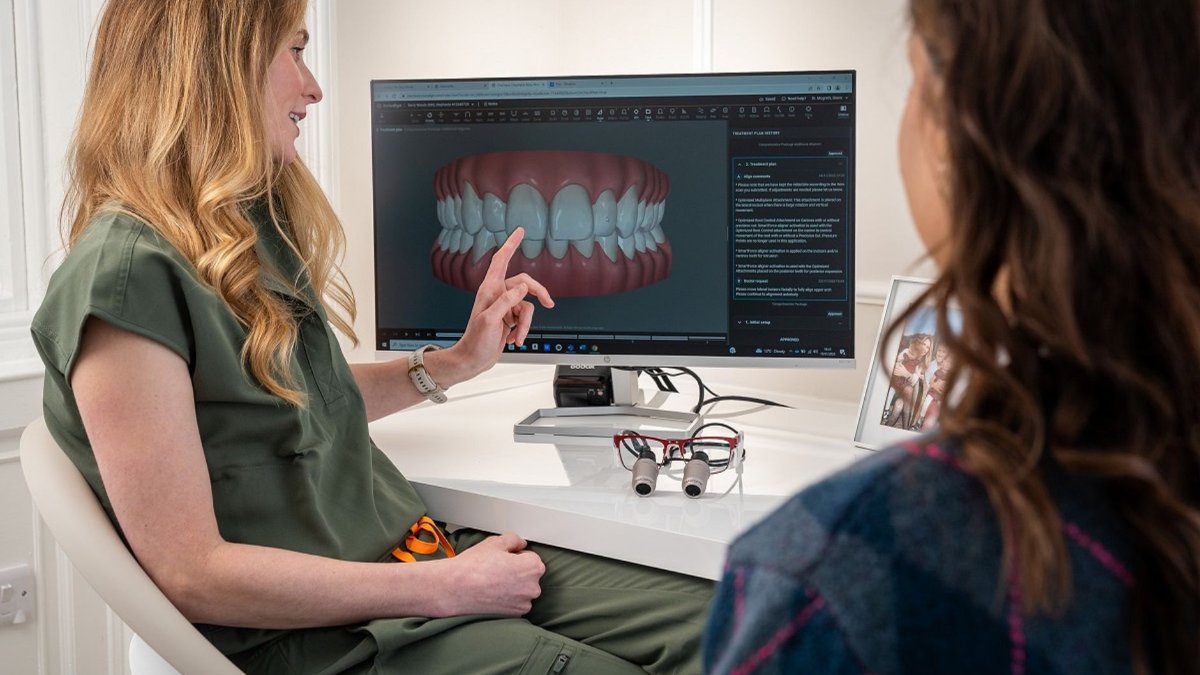
Missing, failing, or severely damaged teeth can make daily eating, speaking, and smiling more difficult. For people seeking a fixed full-arch replacement option, all-on-X dental implants Thayer, MO, may provide a path toward stable replacement teeth supported by dental implants. MoArk Dental & Implants evaluates each patient individually before recommending treatment. An in-person consultation considers the condition of remaining teeth, gum health, jawbone structure, medical history, functional goals, appearance preferences, and budget.
What Problem Does MoArk Dental & Implants Help Solve?
Patients who have lost most or all teeth in one arch, or who are living with loose, painful, broken, or repeatedly failing teeth, may need a comprehensive restorative plan rather than another isolated repair. MoArk Dental & Implants in Thayer, Missouri, helps patients explore whether a fixed implant-supported full arch is appropriate for their situation. Tooth loss remains an important oral-health concern. Tooth loss in U.S. adults and seniors has declined overall since the early 1970s, according to the National Institute of Dental and Craniofacial Research. Still, it continues to affect some groups more than others. A personal evaluation is necessary to determine which replacement option fits an individual’s needs.
How Do All-on-X Dental Implants Work?
What Does “All-on-X” Mean?
All-on-X describes a full-arch restoration supported by a planned number of dental implants. The “X” does not represent one fixed number. Instead, it reflects the number of implants selected based on the patient’s anatomy, bone quality, prosthetic design, and clinical goals. The completed arch is fixed in place, unlike a traditional removable denture.
What Is the Treatment Sequence?
- Consultation, examination, and diagnostic imaging.
- Review of oral health, medical history, tooth condition, bone structure, and goals.
- Customized surgical and restorative planning.
- Implant placement and, when appropriate, delivery of a temporary fixed restoration.
- Healing visits, bite adjustments, and fabrication of the final restoration.
- Ongoing hygiene and professional maintenance.
How Is Treatment Personalized?
MoArk Dental & Implants does not treat full-mouth implant care as a one-size-fits-all procedure. The team may recommend a customized number of implants, including up to eight implants per arch when clinically appropriate. Planning considers the number and condition of remaining teeth, bone volume and density, gum health, history of infection, facial structure, smile design, desired materials, and long-term maintenance needs. Planning the implants and the final teeth together is important. The position of implants must support the intended restoration, bite, appearance, and ability to clean around the prosthesis after treatment.
Can Patients Receive Teeth the Same Day?
Many qualified patients may receive a temporary fixed restoration on the day of implant surgery. “Same-day teeth” generally refers to this temporary arch, not the final long-term prosthesis. The final restoration is typically made after healing and follow-up evaluations confirm that the implants and bite are ready. Immediate temporary teeth are not guaranteed in every case. Implant stability, bone conditions, bite forces, overall health, and the clinician’s assessment all affect whether immediate loading is appropriate.
How Does YOMI Technology Support Treatment?
MoArk Dental & Implants uses YOMI robotic-assisted technology for selected implant cases. The system provides real-time guidance designed to help the clinical team follow the planned implant position and depth. It supports, rather than replaces, the dentist’s clinical judgment and surgical decision-making.
Who May Be a Candidate?
Potential candidates include people missing most or all teeth in an arch, as well as those with severely damaged or failing teeth that may not be predictably restored. Bone loss does not automatically rule out treatment. Depending on the evaluation, options may include grafting, an alternative implant strategy, or another restorative approach. Active infection, untreated gum disease, tobacco use, poorly controlled diabetes, healing capacity, and the ability to maintain daily hygiene and attend follow-up visits can affect candidacy. Only an in-person examination can determine whether All-on-X is suitable.
What Does Research Say About Full-Arch Implant Treatment?
A 2026 systematic review and meta-analysis of All-on-4 and All-on-6 treatment, which relies on dental implants, evaluated 55 studies. It reported pooled one-year implant survival rates of 99.20% for All-on-4 and 100% for All-on-6, with long-term rates of 98.14% and 97.50%, respectively, at five years or longer. The review also reported biological and mechanical complications. These pooled research findings do not predict an individual outcome. Studies differ in patient selection, implant systems, materials, follow-up periods, and treatment methods. Careful planning, daily cleaning, bite management, health habits, and routine professional care remain important after full-arch treatment.
How Are Cost and Financing Addressed?
All-on-X costs vary because every plan is different. Factors may include imaging, extractions, infection treatment, grafting, the number of implants, temporary teeth, final prosthetic materials, laboratory work, follow-up care, and maintenance needs. During consultation, patients can discuss the complete treatment plan, bundled costs, affordability, and available financing options.
How Can Patients Request a Consultation?
Patients can contact MoArk Dental & Implants at 205 N. 2nd Street in Thayer, MO, by calling (417) 794-5106. Bring a list of symptoms, medications, medical conditions, and prior dental treatment. Ask what the proposed plan includes, such as imaging, extractions, temporary teeth, final restorations, sedation, bone grafting, follow-up care, and financing.
Frequently Asked Questions
How many implants are used for All-on-X?
The number varies by patient. It is selected according to jaw anatomy, bone quality, prosthetic design, and long-term treatment goals.
Can I receive All-on-X treatment if I have bone loss?
Possibly. Bone loss requires careful evaluation, but it does not automatically exclude implant treatment. Alternative placement strategies, grafting, or other restorative options may be discussed when appropriate.
Will I leave surgery with final teeth?
When same-day teeth are appropriate, they are usually a temporary fixed restoration. The final prosthesis is generally completed after healing and clinical follow-up.
How do I get started?
Call MoArk Dental & Implants at (417) 794-5106 to request an evaluation for missing, failing, or severely damaged teeth.
Conclusion
All-on-X dental implants may offer a fixed full-arch tooth replacement option for patients with missing, failing, or severely damaged teeth. However, the right treatment depends on individual oral health, jawbone support, medical history, functional needs, and budget. At MoArk Dental & Implants in Thayer, Missouri, a personalized consultation can help determine candidacy, explain the role of YOMI robotic-assisted technology when appropriate, and clarify the expected stages of treatment. Patients should also discuss temporary and final restorations, total costs, healing time, and long-term maintenance before proceeding. With careful planning and consistent professional care, patients can make a more informed decision about restoring chewing function, comfort, and confidence.
- All-on-X Dental Implants in Thayer, MO: Customized Full-Mouth Care at MoArk Dental & Implants
- What Should You Expect During A Divorce?
- Used Vehicle Buying Guide for Orlando, Florida Drivers
- How to Plan a Safer, Easier-to-Clean Bathroom
- How To Match Cannabis Seed Types With Your Space, Schedule, And Growing Goals