

Key Takeaways
- Symptoms often associated with hormones can also be related to sleep, stress, medication effects, thyroid conditions, mental health, or other medical concerns.
- There is no single hormone test that explains every symptom or applies to every stage of life.
- Treatment may involve hormone therapy, nonhormonal options, lifestyle support, or care for another underlying condition.
- Hormone treatment decisions should reflect personal symptoms, health history, goals, and follow-up needs.
Why Hormone Health Can Be Difficult to Pin Down
Fatigue, disrupted sleep, mood changes, lower libido, changes in body composition, and trouble concentrating can be frustrating. They can also have many possible causes. Hormones may play a role, particularly during puberty, pregnancy, the menopause transition, or after changes in ovarian or testicular function, but symptoms alone do not confirm a hormone imbalance.
For people considering hormone replacement therapy, the first step is a thoughtful medical evaluation rather than relying on a symptom checklist or a single lab value. A clinician may review menstrual changes, pregnancy history, current medications and supplements, sleep habits, stress, nutrition, chronic conditions, and family history before discussing treatment.
For example, low energy might be connected to insomnia, anemia, depression, sleep apnea, a thyroid condition, medication side effects, or inadequate nutrition. Addressing the actual cause is more useful and safer than assuming hormones are the answer.
That same principle applies to menopause care. The hormone testing guidance for menopausal symptoms from the American College of Obstetricians and Gynecologists notes that fluctuating levels during the menopause transition often make routine testing less useful than a review of symptoms, menstrual changes, and medical history.
Common Signs That Deserve a Medical Review
These symptoms are not diagnoses, but they are reasonable reasons to schedule a medical visit, especially when they are persistent, new, severe, or affecting daily life:
- Hot flashes or night sweats
- New, missed, heavier, or otherwise changing menstrual periods
- Vaginal dryness, pain with sex, or urinary discomfort
- Ongoing sleep disruption
- Persistent fatigue or reduced exercise tolerance
- Unexpected mood changes, anxiety, or low mood
- Reduced sexual interest or changes in sexual comfort
- Noticeable changes in muscle strength or body composition
- Difficulty focusing, remembering details, or managing daily tasks
When Testing Helps, and When It May Not
Testing Should Answer a Specific Question
Hormone levels naturally change throughout the day, across the menstrual cycle, and during perimenopause. For that reason, a lab result is most useful when it is ordered to investigate a particular concern. Testing may be appropriate when symptoms begin unusually early, are severe, do not fit a typical pattern, or could point to another condition.
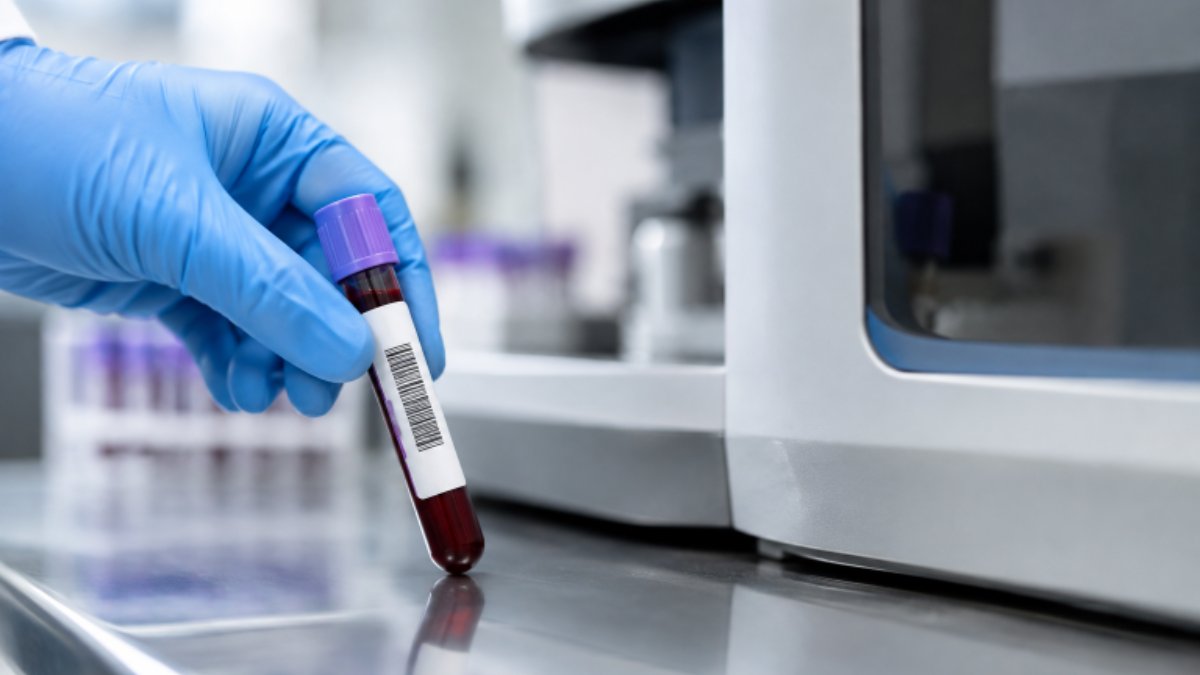
Depending on the situation, a clinician may consider thyroid testing, blood counts, metabolic markers, reproductive hormones, or other studies. The results should be interpreted alongside symptoms, a physical exam, medications, and overall health history. A number outside a reference range does not automatically establish the cause of a symptom, and a result within range does not always rule one out.
Why At-Home Tests Can Be Misleading
At-home testing can be appealing, but a one-time saliva, urine, or blood result may not capture normal fluctuations or provide enough clinical context. Test timing, sample handling, reference ranges, and the reason for testing all matter. Avoid changing prescription medicines or starting hormones solely because of a direct-to-consumer result.
Hormone Therapy: What Has Changed?
In February 2026, the FDA approved labeling changes for six menopausal hormone therapy products. The changes removed certain statements about cardiovascular disease, breast cancer, and probable dementia from the boxed warning section, while safety information remains elsewhere in product labeling. The FDA also retained the boxed warning about endometrial cancer for systemic estrogen-only products. The updated labeling for menopausal hormone therapy productsdoes not make treatment risk-free or appropriate for every person.
Potential benefits depend on the product and the patient. Menopausal hormone therapy may be used for moderate to severe hot flashes, night sweats, vaginal symptoms related to lower estrogen, and prevention of bone loss in appropriate patients. It may also be important for some people with early loss of ovarian function. It is not a general anti-aging treatment, a guaranteed weight-loss strategy, or a substitute for managing sleep problems, thyroid disease, nutrition, exercise, or mental health.
Different Treatment Paths to Consider
Hormonal Options
Prescription hormone treatment can come in forms such as oral medicines, patches, gels, creams, vaginal products, pellets, or injections. The most appropriate route depends on the hormone being treated, the symptoms involved, whether a person has a uterus, medical history, and individual goals. Product quality and ongoing monitoring also matter.
Nonhormonal Options
Some people prefer or need nonhormonal care. Options may include prescription medicines for hot flashes or mood symptoms, vaginal moisturizers and lubricants for dryness, cognitive behavioral therapy, sleep support, cooling strategies, and stress-management practices. Combining approaches can be appropriate when symptoms have more than one cause.
Lifestyle Support
- Keep a regular sleep-and-wake schedule when possible.
- Use resistance training and weight-bearing movement when medically appropriate.
- Prioritize adequate protein, fiber, calcium, and overall nutrition.
- Avoid smoking and limit excessive alcohol use.
- Track symptoms, sleep, cycles, medications, and possible triggers before appointments.
Who May Need Extra Caution?
Hormone treatment decisions require added care for people with unexplained vaginal bleeding, a history of hormone-sensitive cancer, blood clots, stroke, heart attack, liver disease, pregnancy, breastfeeding, or significant uncontrolled health concerns. This is not a complete list. A qualified clinician should review the full health history and discuss alternatives when needed.
Questions to Ask Before Starting Treatment
- What else could be causing these symptoms?
- Which tests, if any, are useful in my situation?
- What are the likely benefits and risks of each option?
- Are nonhormonal treatments appropriate for me?
- How will side effects and treatment response be monitored?
- When should follow-up happen, and what would prompt a change in the plan?
Why Follow-Up Matters
Hormone care is not a one-time decision. Symptoms, side effects, blood pressure, medical conditions, and treatment goals can change over time. Report new vaginal bleeding, chest pain, sudden shortness of breath, severe headaches, leg swelling, or other urgent symptoms promptly. Regular follow-up helps ensure that treatment remains appropriate, effective, and aligned with personal health priorities.
Conclusion
Hormone health is rarely a one-number problem. A productive plan considers symptoms in context, uses testing with a clear purpose, and balances treatment benefits with individual risks. Whether the right next step is hormone therapy, nonhormonal care, lifestyle support, or evaluation for another condition, an informed conversation with a qualified health professional can make the path forward clearer.
- Hormone Health: Symptoms, Testing, and Treatment Choices
- How to Evaluate Regenerative Medicine Reviews, Claims, and Treatment Options
- Understanding Your Compensation Options After An Uber Or Lyft Accident With Legal Counsel
- Families Can Navigate an International Adoption Request With An Open Door Adoption Agency
- All-on-X Dental Implants in Thayer, MO: Customized Full-Mouth Care at MoArk Dental & Implants