

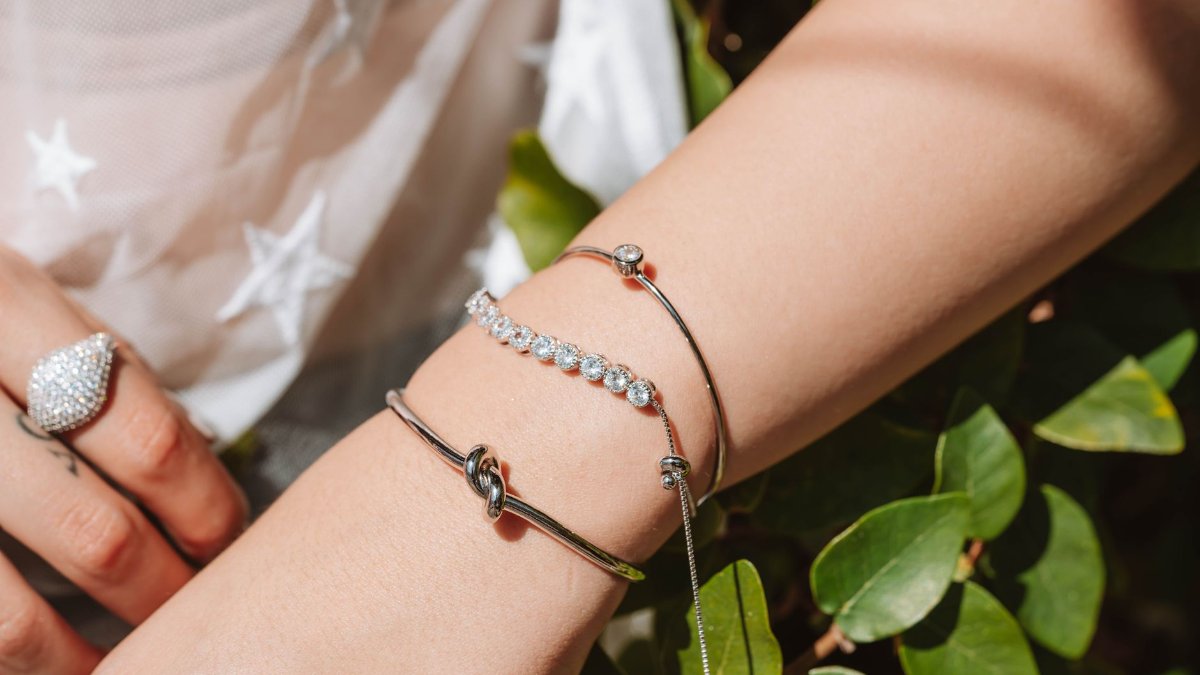
A tennis bracelet looks simple at first glance. A line of diamonds, a thin band of metal, nothing flashy about the shape itself. That simplicity is exactly why quality matters so much here. There is nowhere for a weak setting or a dull stone to hide. One sloppy detail and the whole piece looks cheap, no matter how much it cost.
So what separates a bracelet worth keeping for decades from one that loosens up or loses its sparkle after a year? Below are the details worth paying attention to before you spend real money on one.
Setting Style Changes How the Bracelet Wears and Sparkles
The setting is where a lot of bracelets either hold up over time or start falling apart. Prong settings are the most common choice, since they expose more of each diamond to light and create that classic sparkle people picture when they think of a tennis bracelet.
Retailers like Ritani list the setting type, metal purity, and carat weight for each tennis bracelet in their collection, which makes it much easier to compare options side by side before you commit to one. The tradeoff with prong settings is that they need occasional checking, since they can loosen slightly over years of regular wear.
A few setting styles worth knowing:
- Four-prong settings expose the most light but need periodic tightening
- Three-prong settings balance sparkle with a slightly lower profile
- Bezel settings wrap metal fully around each stone, offering more protection for daily wear
- Shared-prong settings reduce visible metal between stones for a more continuous line of sparkle
None of these is objectively the best choice. It comes down to how often you plan to wear the bracelet and how much maintenance you are willing to do.
The Diamonds Themselves Carry the Most Weight
Every tennis bracelet lives or dies by its stones. The grading system most jewelers rely on comes from GIA, which breaks diamond quality into four main factors: cut, color, clarity, and carat weight. For a bracelet specifically, consistency across every stone matters just as much as any single grade. A bracelet lined with twenty or thirty diamonds needs each one to match closely in color and clarity, or the piece looks uneven once it catches the light.
Cut quality often gets overlooked in favor of carat size, but it should not. A well-cut diamond reflects more light and looks brighter even at a smaller size. A poorly cut stone can look dull even if it is technically larger, and most people notice that difference even without knowing exactly why one bracelet looks livelier than another.
Metal Choice Affects Both Durability and Price
Metal purity shapes how a bracelet holds up day to day. Fourteen-karat gold tends to be more durable for everyday wear since it contains more alloy, while eighteen-karat gold has a richer color but is slightly softer. Platinum sits at the top for durability and tends to hold prongs more securely over the long run, though it usually costs more for the same design.
None of these metals is wrong, but the choice should match how the bracelet will actually be worn. A piece meant for daily use benefits from a sturdier metal, while a special occasion piece has more room for a softer, higher shine option. Some buyers also factor in skin tone and personal style here, since white gold, yellow gold, and platinum all catch light a little differently against the diamonds.
Certification Gives You Something to Check Against
A grading report from a lab like GIA or IGI gives you a way to verify what you are actually buying, instead of relying only on a seller’s description. This matters even more when shopping online, where you cannot physically inspect the stones before checkout. A report usually lists cut, color, clarity, and carat weight for the diamonds involved, which gives you a clear basis for comparing one bracelet against another.
Not every bracelet comes with full certification, especially pieces using many very small stones where individual grading would cost more than the stones themselves. In that case, look for a stated quality range for the whole piece instead, and ask the retailer directly if that information is not listed clearly. A seller who hesitates to answer that question directly is often a sign to keep looking elsewhere.
Craftsmanship Shows Up in the Details You Don’t Notice Right Away
A well-made tennis bracelet should sit flat against the wrist and bend smoothly, without stiff spots or gaps between links. A secure clasp matters just as much as the diamonds themselves, since a weak clasp puts the entire piece at risk of falling off unnoticed. Box clasps with a safety latch tend to offer the most peace of mind for a piece you plan to wear often.
It also helps to check how the underside of the bracelet feels against your wrist. A rough or unfinished back can snag on clothing or feel uncomfortable after a few hours, even if the front of the piece looks flawless. These small construction details rarely show up in a product photo, so they are worth asking about directly if you are buying from a physical store.
The Bottom Line
A tennis bracelet earns its price through the parts most people never ask about: a secure setting that keeps diamonds in place, matched stones that look intentional rather than patchy, a metal built for how often you’ll wear it, a grading report that proves quality instead of promising it, and construction details like a smooth clasp.
None of these matter much alone. It’s the combination that decides whether a bracelet still looks right a decade from now. Ask pointed questions before you buy. A confident retailer will answer plainly.
- Is Your Healthcare Business Ready to Partner With a Medical Director Company
- What Makes a High-Quality Tennis Bracelet Worth the Investment?
- Muscle Matters Again: How Weight-Loss Medicines Are Reshaping the Wellness Conversation
- The Gym Is the New Third Place: How Strength Training Changed What Wellness Means
- How Erika Nielsen Books Can Support Language Learning, Early Literacy, and Civic Discussion