

Understanding ABA Therapy for Children with Autism
Applied Behavior Analysis (ABA) therapy is recognized as a leading method for supporting children with autism spectrum disorder (ASD). ABA therapy helps children improve a broad range of behaviors, including communication, social skills, and self-care abilities. By using evidence-based techniques and breaking down tasks into achievable steps, ABA therapy empowers children to master skills vital for their growth and independence. For parents seeking qualified support in the region, the ABA Therapy clinic in Raleigh, NC stands out as a committed resource, providing tailored care for families navigating the autism journey.
ABA therapy is not a one-size-fits-all solution. The effectiveness of ABA lies in its individualized approach, adjusting strategies and goals based on each child’s strengths and challenges. Providers work one-on-one with children in settings that might include the home, clinic, or school, ensuring therapy takes place where learning is most effective and natural. Families in Raleigh benefit from a strong network of specialists dedicated to helping children achieve their highest potential through individualized ABA plans.
Accessing ABA Services in Raleigh
Families in the Raleigh area have access to a variety of ABA therapy providers. Many organizations extend their services throughout Raleigh and nearby communities like Cary, Apex, and Morrisville. These organizations recognize that every family’s needs are unique. Some offer in-home sessions that fit seamlessly into daily routines, while others have specialized clinics designed to create a rich learning environment for skill-building. Choosing between these models depends on each child’s needs and family preferences.
It is important for parents to work closely with ABA providers to develop clear, measurable goals for therapy. Progress is regularly monitored through detailed data collection, giving families insight into their child’s development and which strategies are most effective. This collaborative process helps ensure therapy is as beneficial as possible.
Financial Considerations and Medicaid Coverage
The cost of ABA therapy is a significant point of concern for many families. Fortunately, in North Carolina, Medicaid covers ABA therapy, alleviating much of the financial stress for qualifying families. Understanding eligibility requirements and navigating the application process are essential first steps for families seeking this support. There has been a marked rise in Medicaid expenditures for ABA, and North Carolina lawmakers are actively considering ways to maintain access without creating budgetary strain. For additional guidance on navigating Medicaid and other insurance coverage options in North Carolina, parents can consult larger resources, such as the guidance offered by the CDC’s autism resources page.
The Importance of Early Intervention
Early intervention is a key predictor of success for children with autism receiving ABA therapy. Beginning behavioral therapy during the early developmental years can greatly accelerate language acquisition, social skills, and the ability to adapt to new routines. Parents in Raleigh can choose from many providers who specialize in services tailored for toddlers and young children. Early involvement also means parents and caregivers learn strategies for reinforcing positive behaviors at home, giving families the tools to address challenges proactively. According to the Centers for Disease Control and Prevention (CDC), starting interventions as soon as possible can lead to more significant improvements.
In-Home and Clinic-Based ABA Therapy: Comparing the Models
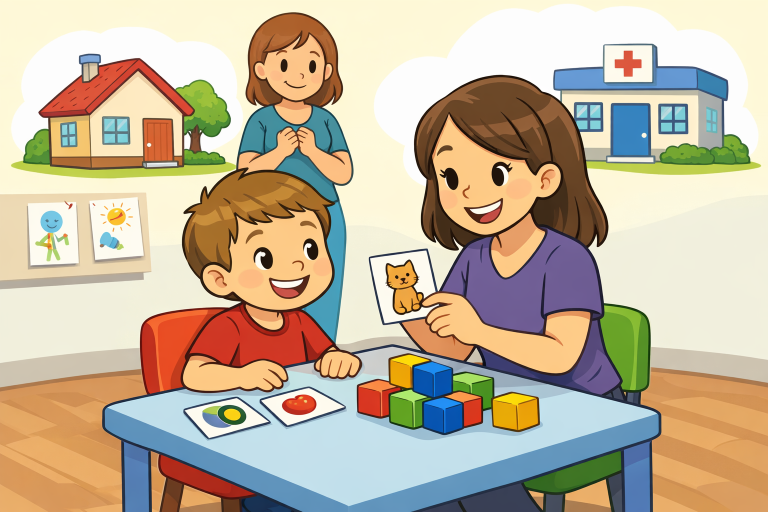
Families often consider whether in-home or clinic-based ABA therapy is best for their child. In-home therapy integrates ABA techniques directly into family routines and the natural home environment, which can help children generalize skills more effectively into real-life situations. Clinic-based therapy, meanwhile, offers a structured atmosphere that provides access to resources like group play, dedicated sensory activities, and social groups. The choice between these settings often depends on the child’s age, specific behavioral goals, and the family’s schedule or transportation needs.
Community Support and Autism Resources in Raleigh
Beyond one-on-one therapy, involvement in community support groups and local events can be invaluable for both children and their families. Raleigh is home to parent groups, social clubs, and workshops that allow parents to connect with others facing similar challenges. Local autism advocacy organizations often host events and learning opportunities, making it easier for families to access advice, share resources, and build a sense of community, all of which can help reduce stress and give families practical tools for daily life.
How to Select the Right ABA Provider
Choosing the most suitable ABA provider is a critical decision. Families should consider factors such as provider qualifications, experience working with children with similar needs, and the level of family involvement encouraged by the provider. It is often helpful to schedule consultations with multiple clinics or providers, ask about staff credentials, examine therapy plan examples, and talk to other parents about their experiences. An effective ABA provider will foster open communication, offer regular progress updates, and adjust strategies as necessary to accommodate the child’s changing needs.
Conclusion
ABA therapy is a powerful resource for children with autism spectrum disorder and their families in Raleigh, NC. By having access to expert ABA services, understanding financial aid options, and leveraging early intervention and community resources, families can position their children for meaningful growth and improved quality of life. As the autism community in Raleigh continues to expand, parents have more support than ever in making informed decisions on their child’s therapeutic journey.
- 6 Bathroom Renovation Resources Spokane Homeowners Can Use for Safer, Easier-Care Spaces
- How R&D Center Helps People Find Personalized Drug Treatment in Philadelphia, Pennsylvania
- How Play Builds School Readiness for Preschoolers in Greensboro, North Carolina
- How to Choose the Right Way to Sell a House in Fayetteville, North Carolina
- Navigating Mental Health Resources and Therapy Options