

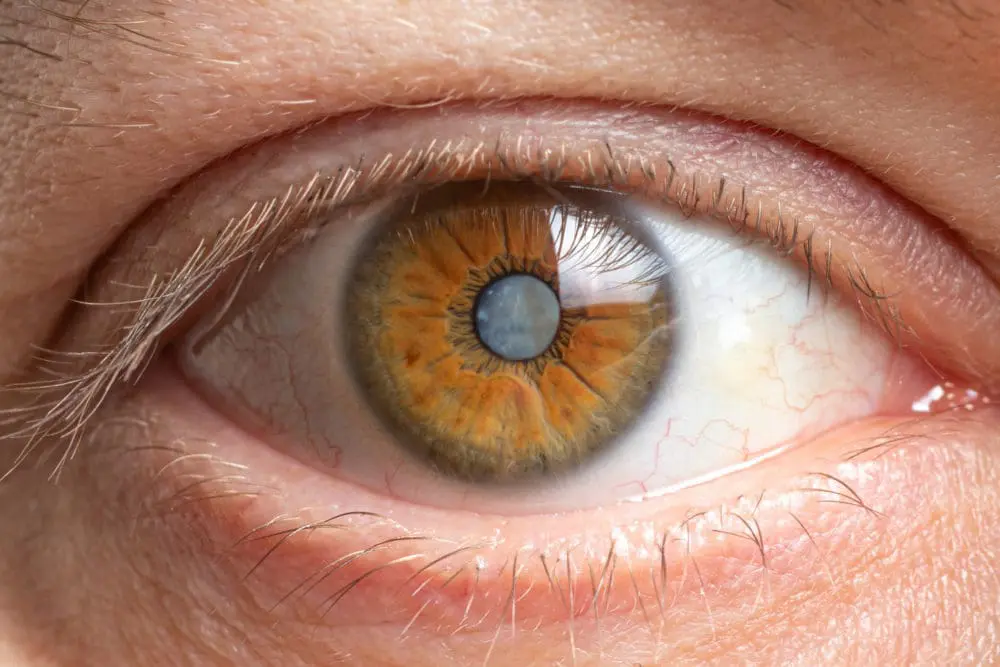
If you have been researching laser cataract surgery, you likely know that Femtosecond Laser-Assisted Cataract Surgery (FLACS) represents a significant shift from traditional manual methods. This technology utilizes computer-guided lasers to automate several steps of the procedure, allowing for a faster procedure and customization to your anatomy. Here is more information about laser-assisted cataract surgery and what to expect:
Defining Cataracts
Laser cataract surgery corrects cataracts, which are a clouding of the lens inside your eye. This lens stays clear in a healthy eye to help focus light onto the retina. As you age, proteins in the lens can clump together, making your vision blurry or faded. The sensation may be similar to looking through a frosty or fogged-up window.
Eye doctors typically suggest surgery when vision loss begins to interfere with your daily routines. You might struggle with driving at night or reading small print. If corrective glasses no longer improve your sight, a surgical intervention can be the next step. Surgical removal is the only way to effectively treat a cataract once it has formed.
Improving Cataract Surgery
In a traditional procedure, the surgeon uses a manual blade to create an incision in the cornea. They then use hand-held tools to break up the cloudy lens and remove it. While this method is usually successful, it relies entirely on the steady hand and skill of the ophthalmologist. Advanced laser-assisted cataract surgery replaces these manual steps with a computer-controlled beam of light, improving the speed and accuracy of the process.
Modern technology allows for a more controlled and tailored experience for every patient. The laser creates precise incisions and softens the lens for easier removal. This automation can help surgeons program the exact size, shape, and location of each cut. Clinicians use 3-D imaging to plan the surgery before the laser ever touches the eye. This mapping customizes the treatment to the specific curvature of your cornea. Here are some benefits of using laser-assisted technology:
- Greater precision: The laser system creates incisions that are more accurate than manual techniques.
- Enhanced safety: High levels of accuracy reduce the risk of complications during the procedure.
- Quick recovery: Minimizing damage to surrounding tissue leads to less inflammation and faster healing.
Recovering After Surgery
The recovery process for laser cataract surgery is often fast and straightforward. Most patients go home the same day as their procedure. You will likely wear a protective shield over your eye for a short period. This shield prevents you from accidentally rubbing or pressing on the surgical site while it heals.
Your doctor will provide medicated eye drops to prevent infection and manage swelling. You must follow the schedule for these drops to get the best results. Most people notice an improvement in their vision within a few days. Avoiding strenuous exercise and heavy lifting for a week helps the eye stay stable during early healing.
Learn More About Laser Cataract Surgery
Advancements in laser cataract surgery have made the process of restoring vision safer and faster. Modern FLACS technology provides a high degree of customization to help you achieve clearer sight. Choosing a qualified surgeon helps you receive the most effective care for your specific needs. To learn more about laser-assisted cataract surgery, consult an ophthalmologist near you.