

Uterine fibroids are benign growths that develop in or on the uterus during childbearing years. While many individuals never experience symptoms, others face heavy bleeding, pelvic pain, and pressure on the bladder or rectum. Advancements in medical technology offer minimally invasive treatments, and these manage symptoms without major surgery. Here are some non-surgical alternatives for treating fibroids:
Uterine Fibroid Embolization
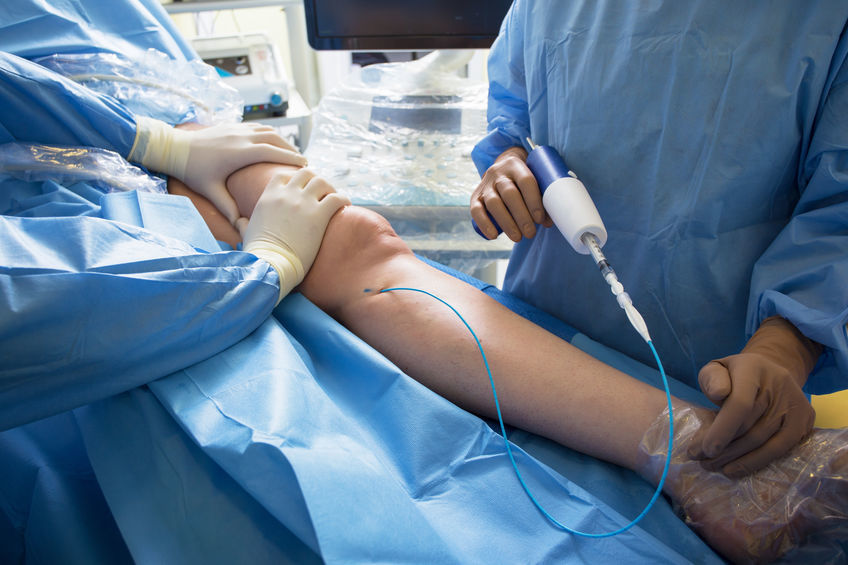
Uterine fibroid embolization (UFE) is a minimally invasive procedure performed by an interventional radiologist. The doctor inserts a catheter into an artery in the leg or wrist and guides it to the arteries supplying blood to the fibroids. Once in position, small particles are injected to block blood flow, causing the fibroids to shrink and die over time. This approach preserves the uterus and typically involves a shorter recovery period compared to traditional surgery; it also treats all fibroids simultaneously rather than removing them one by one.
UFE is a safe and effective treatment option for women experiencing symptoms caused by uterine fibroids, such as heavy menstrual bleeding, pelvic pain, or pressure. Many patients experience symptom relief within weeks of the procedure, and they can return to normal activities within a few days. Before undergoing UFE, a thorough consultation with a healthcare provider helps determine if this procedure is right for you. Your medical history and current symptoms can impact treatment decisions.
MRI-Guided Focused Ultrasound
This noninvasive treatment option combines high-intensity ultrasound waves with magnetic resonance imaging (MRI). An MRI scanner allows doctors to visualize your anatomy and pinpoint the location of the fibroids; the device then focuses sound waves onto the fibroid tissue to heat and destroy it without making any incisions. Because this method requires no cuts, patients usually go home the same day. It targets fibroids individually, so treatment time varies depending on the number and size of the growths.
Ablation Procedures
Radiofrequency ablation (RFA) is a technique that uses heat to shrink fibroids. A doctor delivers radiofrequency energy directly into the fibroid through a needle-like device, destroying the tissue while leaving the surrounding uterus unharmed. This can be performed laparoscopically, where thin instruments enter through tiny abdominal incisions, or transcervically, where the device enters through the vagina and cervix. As the treated tissue breaks down, the fibroids reduce in size, alleviating pressure and bleeding. Recovery times are generally rapid, and many women return to work within a few days.
Hormonal Therapies
Medications often serve as a first-line defense for managing heavy menstrual bleeding and pelvic pressure associated with fibroids. Gonadotropin-releasing hormone (GnRH) agonists block the production of estrogen and progesterone, putting the body into a temporary menopausal state. As a result, menstruation stops, and fibroids shrink, usually providing relief while the medication is taken.
Other options include progestin-releasing intrauterine devices, which thin the uterine lining to reduce heavy bleeding, though they do not shrink the fibroids themselves. Tranexamic acid is a non-hormonal medication taken only on heavy bleeding days to reduce flow volume. These therapies manage symptoms but typically do not permanently remove fibroids; once the medication stops, fibroids may grow back.
Work With a Fibroids Specialist
Finding the right treatment path requires a thorough evaluation of your symptoms and reproductive goals. A specialist will review your medical history and imaging results to determine which non-surgical option aligns with your needs. Not every treatment suits every patient, as fibroid size, location, and number influence eligibility. Schedule a consultation with a vascular clinic today to learn more about treatment options.