

Renewing Basic Life Support certification is an important part of staying ready for emergencies and meeting professional requirements. Whether you work in healthcare, attend a clinical program, serve in EMS, or hold a safety-focused role, an online BLS renewal option may provide a convenient way to complete required coursework while fitting training around a busy schedule.
Still, convenience should not be the only factor in your decision. The right renewal path depends on your current expiration date, your employer’s rules, the issuing organization, and whether you need a hands-on skills evaluation. Planning early helps you avoid a lapse in certification and gives you time to correct any documentation issues before they affect work, school, or licensing.
Why BLS Renewal Matters
BLS renewal is more than an administrative deadline. It is a structured opportunity to revisit the actions that matter most during cardiac arrest, respiratory emergencies, choking incidents, and team-based resuscitation. Regular review helps responders build confidence with compression quality, AED use, rescue breathing, communication, and the sequence of care.
Current credentials are commonly requested for nurses, medical assistants, dental professionals, EMTs, respiratory therapists, hospital staff, students in clinical placements, and other professionals who may respond to an emergency. Course formats continue to evolve, but the required outcome remains the same: learners must complete training that meets the standards accepted by their workplace, school, or licensing authority.
When to Start the Renewal Process
Do not wait until the final week before your card expires. Begin by locating the expiration date on your physical card, digital wallet, training account, or employer compliance portal. Some providers have specific recertification windows, while some employers require the new certificate before the old one expires.
A practical approach is to start the process 60 to 90 days in advance. This creates room to compare courses, schedule an in-person skills session if necessary, solve login or certificate problems, and submit proof to the appropriate department. If you are unsure about your credential’s terms, review the requirements from the organization that issued it. For example, BLS recertification courses may be intended for people whose certification remains current or has only recently expired.
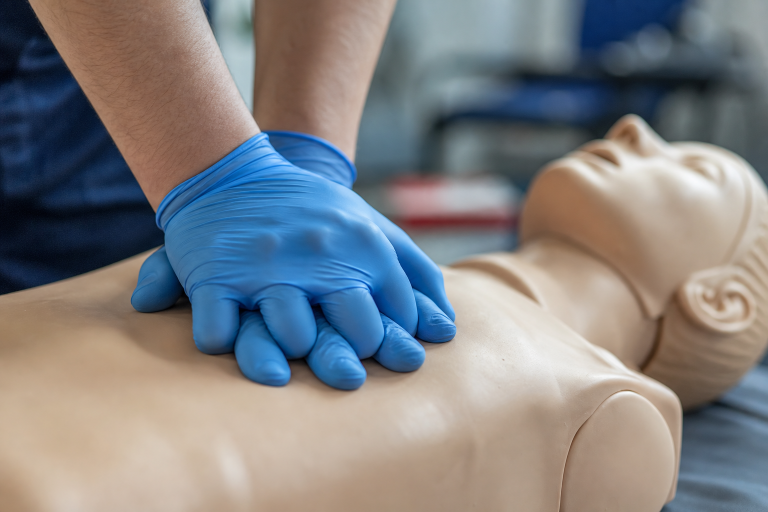
Comparing BLS Renewal Course Options
There is no single best format for every learner. Choose the option that satisfies the required training standard and works realistically with your schedule.
- Instructor-led classes: These sessions provide direct feedback, structured practice, and the chance to ask questions in real time. They can be a strong choice for learners who want more guidance.
- Blended learning: This format usually combines online lessons with an in-person skills session. It can reduce classroom time while preserving hands-on practice.
- Self-guided learning: Independent coursework may offer flexibility, but learners should verify whether it includes an approved skills evaluation and whether their employer accepts it.
- Full provider training: A complete course may be necessary if your certification has lapsed, you are changing credentialing organizations, or your employer does not recognize a renewal-only program.
When comparing options, look beyond price and duration. Consider travel time, instructor access, equipment practice, assessment rules, course completion timing, and whether the certificate will be accepted. Some programs, including the BLS training options available to healthcare professionals, offer classroom and blended pathways that include a hands-on skills component.
Checking Employer and State Requirements
A course can be legitimate and still fail to meet a particular workplace requirement. Before enrolling, ask your manager, clinical coordinator, human resources department, school, or licensing board which training organizations and formats they accept. Confirm whether an online-only certificate is allowed or whether an in-person skills check is mandatory.
For example, a nursing student should confirm BLS rules before clinical placement rather than assume a prior certificate will be accepted. An EMT renewing a state credential should also check whether the documentation must include a specific provider name, card type, issue date, expiration date, or skills verification. Getting these details in writing can prevent an expensive repeat course.
Skills to Review Before Renewal
BLS renewal courses commonly revisit core skills for adults, children, and infants. Reviewing these topics before class can make the learning experience more productive:
- Recognition of cardiac arrest, respiratory distress, and choking.
- High-quality chest compressions, including proper rate, depth, recoil, and minimal interruptions.
- Safe and prompt use of an automated external defibrillator, or AED.
- Rescue breathing, airway support, and bag-mask ventilation.
- Single-rescuer response and coordinated team response.
- Clear communication, role assignment, and closed-loop communication during an emergency.
What to Check in an Online Course
Online learning can be useful, but always evaluate the course before paying. First, confirm that it is designed for healthcare providers or the audience required by your employer. Then verify the issuing organization, the certificate title, the assessment process, and how quickly your records will be available.
- Check whether hands-on practice or a live skills evaluation is included.
- Make sure the course materials reflect current evidence-based guidance.
- Understand whether testing can be completed remotely or requires an appointment.
- Confirm that the certificate displays the information your employer needs.
- Read the employer’s acceptance policy before enrolling.
- Save confirmation emails, receipts, completion records, and the final certificate.
A Simple BLS Renewal Checklist
- Check your card: Record the expiration date, credential type, and issuing organization.
- Confirm requirements: Ask your employer, school, or board which course formats are accepted.
- Choose a format: Compare classroom, blended, self-guided, and full-course options.
- Review weak areas: Spend extra time on skills that feel less familiar.
- Finish every requirement: Complete lessons, exams, and skills sessions by the deadline.
- Save proof: Download the certificate, print a copy, and store it in multiple places.
- Update records: Submit the new documentation before your old credential expires.
Common Questions About BLS Renewal
Can BLS Renewal Be Completed Online?
It depends on the course provider and the rules set by your employer, school, or licensing authority. Online coursework may be acceptable, but many roles require a hands-on skills component.
What Happens If My BLS Certification Expires?
You may need to take a full provider course instead of a renewal course. An expired credential can also create compliance issues for work shifts, clinical participation, or licensing applications.
Does ACLS Replace BLS?
Not always. ACLS is advanced training, but many employers still require a separate current BLS credential. Verify both requirements rather than assuming one certificate covers the other.
How Should I Store My Certificate?
Keep a digital copy in secure cloud storage, retain a printed copy for quick access, and set a calendar reminder several months before the next expiration date.
What If an Employer Rejects My Certificate?
Ask for the exact reason. You may need a certificate from an approved provider, an additional skills evaluation, or documentation with a different credential name. Resolve the issue promptly so you do not lose time repeating unnecessary steps.
Final Takeaway
BLS renewal is a chance to protect your professional standing while refreshing skills that can make a real difference in an emergency. Check requirements early, choose an accepted course format, complete every training component, and keep reliable records. A simple plan turns renewal from a last-minute task into a manageable part of staying prepared.
- 6 Bathroom Renovation Resources Spokane Homeowners Can Use for Safer, Easier-Care Spaces
- How R&D Center Helps People Find Personalized Drug Treatment in Philadelphia, Pennsylvania
- How Play Builds School Readiness for Preschoolers in Greensboro, North Carolina
- How to Choose the Right Way to Sell a House in Fayetteville, North Carolina
- Navigating Mental Health Resources and Therapy Options