

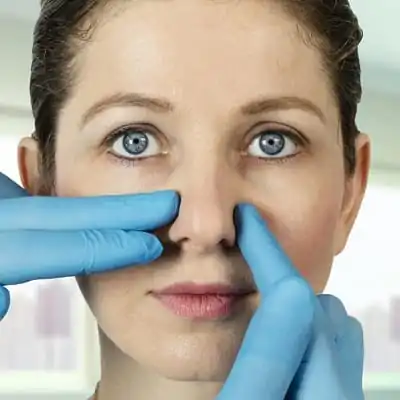
Sinus problems affect millions of people every year, and the impact can be significant. Many suffer from chronic congestion, yet avoid seeking treatment because they fear invasive procedures or long recovery times. Balloon sinuplasty is often misunderstood, so patients are unsure how the procedure works or who qualifies, even though it offers a minimally invasive alternative. By clarifying the facts about this treatment, you can make an informed decision about your health.
Myth 1: Same as Surgery
Some assume that all sinus interventions involve cutting or removing bone and tissue, but this is not always true. Traditional nasal surgery often requires incisions, and for the patient, it typically involves a significant recovery period. Balloon sinuplasty is different; it is minimally invasive, and a small balloon gently expands the sinus openings without cutting. Because no tissue is removed during the process, recovery is faster, and patients usually experience less discomfort afterward.
The procedure is performed in the office, which makes it more convenient than hospital-based surgeries. A doctor inserts a small balloon into the sinus and then inflates it to reshape the space, a process that is both straightforward and effective. This action widens the walls of the sinus passage, allowing better drainage and airflow. While traditional surgery is necessary for severe cases involving complex structural issues, this balloon method offers relief without incisions, so recovery is typically much quicker. Patients can often return to normal activities within a day or two.
Myth 2: Only for Severe Cases
Another misconception is that you must have a completely blocked nose to benefit from this treatment, but this is untrue. Patients with moderate sinus problems might delay care, and they may be excellent candidates for a balloon sinuplasty. This procedure effectively treats chronic sinusitis and helps people with recurrent infections that do not respond well to medication. It is not reserved for the most extreme cases of nasal obstruction, so a broader range of patients can benefit.
Myth 3: No Related Benefits
Many patients believe that sinus treatments address only congestion or facial pain, but there are many more benefits. Sinus health is closely linked to other conditions, and improving drainage can positively impact your overall respiratory health. When sinus passages are clear, air flows more freely, which can sometimes reduce the severity of snoring. While it is not a cure-all for every sleep issue, better nasal breathing may improve sleep quality, leading to a better night’s rest for many.
The ears and nose are connected, and this relationship affects overall comfort. Chronic inflammation in the sinuses may lead to ear problems, such as fullness or fluid buildup, which might affect hearing. Treating the underlying sinus inflammation with balloon sinuplasty may alleviate these secondary symptoms, because the eustachian tubes may function more efficiently when the sinuses are healthy. Discuss all your symptoms with a specialist, since they can explain how clearing your sinuses might help with related issues, such as snoring or ear pressure.
Schedule a Balloon Sinuplasty Consultation
Do not let misconceptions prevent you from seeking relief, because solutions are available. Chronic sinus issues impact your quality of life, but effective treatments exist that do not require major surgery. If you struggle with sinus problems or nasal obstruction, balloon sinuplasty might be the solution you need. Contact your provider today to schedule an appointment, so they can help you breathe easier.