

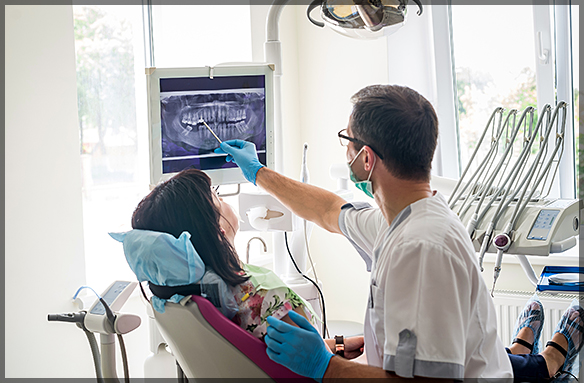
General dentistry focuses on the diagnosis, treatment, and overall management of your oral health care needs; it serves as the first line of defense against dental issues and helps maintain the function and appearance of your teeth. Regular visits to a general dentist help detect problems early, before they become more complex or painful. By maintaining a consistent relationship with your dental provider, you can protect your oral health and help your smile remain functional for years to come.
Questions About Check-ups
How often should I see a dentist?
Most dentists recommend scheduling a general dentistry check-up and cleaning every six months. This frequency allows your provider to monitor changes in your oral health, and they can remove plaque buildup that regular brushing cannot reach. Patients with specific conditions, such as gum disease or a high risk of cavities, might need to visit more frequently. Your dentist will suggest a schedule that aligns with your specific health requirements.
What happens during a routine exam?
During a check-up, a dental professional will examine your teeth and gums for signs of decay or disease. They may take X-rays to see what is happening beneath the surface of your teeth and gums. The hygienist will clean your teeth to remove tartar and polish them to remove surface stains. The dentist will review the findings, and they will discuss any necessary treatments or preventive measures with you.
Do check-ups hurt?
Routine exams and cleanings are generally painless procedures designed to keep you comfortable. If you have sensitive teeth or gums, you might experience mild discomfort during the cleaning process, so communicate any fears or sensitivities to your dental team beforehand. They can adjust their techniques to help you be comfortable.
Questions About Oral Hygiene
Is an electric toothbrush better than a manual one?
Both electric and manual toothbrushes can be effective if used correctly. An electric toothbrush can be helpful for people with limited dexterity or those who tend to brush too hard, and it can make brushing more effective overall. The key factor is brushing for a full two minutes twice a day, regardless of the tool you choose.
How often should I floss?
You should floss your teeth at least once a day to remove plaque and food particles from between your teeth. Brushing alone cannot reach the tight spaces where cavities often begin to form. Flossing daily disrupts bacteria colonies, and it helps keep your gums healthy and free of inflammation.
What kind of toothpaste should I use?
Look for a toothpaste that contains fluoride and has the American Dental Association (ADA) Seal of Acceptance. Fluoride strengthens tooth enamel, and it helps prevent decay. If you have sensitive teeth, you might benefit from a toothpaste specifically formulated to reduce sensitivity.
Questions About Teeth
Why do my teeth feel sensitive?
Tooth sensitivity can occur when the protective enamel wears down, or it also happens when gum recession exposes the root surface. This exposure allows hot, cold, or sweet stimuli to reach the nerve inside the tooth, causing a sharp sensation. Using a soft-bristled toothbrush and avoiding highly acidic foods can help manage this condition.
What causes cavities?
Cavities form when bacteria in your mouth digest sugar and produce acid that erodes tooth enamel. Over time, this acid creates a hole in the tooth structure that requires a filling. Reducing your intake of sugary snacks and beverages is a practical way to lower your risk of developing cavities, and it also supports better overall oral health.
Are dental X-rays safe?
Modern dental X-rays use very low levels of radiation, and they are considered safe for most patients. Digital X-rays have further reduced radiation exposure compared to traditional film methods. These images are key diagnostic tools that allow dentists to see issues not visible to the naked eye, such as bone loss or impacted teeth.
Ask About General Dentistry Today
Your oral health is a significant part of your overall well-being. Staying informed is an advisable way to protect it, and general dentistry provides the support and treatments necessary to keep your teeth and gums healthy. If you have specific concerns or it has been a while since your last visit, reach out to a dental professional. Schedule an appointment to discuss your needs and receive personalized care.