


Key Takeaways
- Routine inspection and pumping are essential for preventing septic failures.
- Limiting water use reduces the risk of overwhelm and extends system life.
- Responsible waste management keeps the septic tank and environment clean.
- Drainfield protection is necessary for effective wastewater filtration.
- Choosing septic-safe products preserves beneficial bacteria activity.
Introduction
Properly maintaining your home’s septic system can save you from unexpected breakdowns, expensive repairs, and environmental hazards. Dedicated attention to your septic setup means increased longevity and more effective operation—making it a crucial part of homeownership. Regular septic pumping services for homeowners in northeast Oklahoma provide peace of mind, ensuring your system operates smoothly year-round and keeps your household safe from unsanitary conditions.
From routine maintenance checks to embracing environmentally conscious habits, understanding the basics of septic system care empowers homeowners to make practical and sustainable decisions. Regular actions—like conserving water, disposing of waste responsibly, and scheduling professional services such as septic pumping Broken Arrow—can significantly extend your system’s lifespan and prevent backups or costly repairs. Making these septic care practices part of your household routine ensures reliable system performance and helps protect nearby wells, streams, and the broader environment. These mindful efforts contribute to a cleaner, safer community while safeguarding your family’s health and long-term peace of mind.
Schedule Regular Inspections and Pumping
One of the most important steps you can take is arranging a professional septic inspection every three years, as the Environmental Protection Agency (EPA) recommends. Depending on the size of your household and water consumption, tanks generally need to be pumped every three to five years to remove sludge and solids before they cause clogs or backups. By staying ahead of these maintenance intervals, you reduce the risk of system failures that can be both disruptive and costly. Read more about EPA guidelines for septic care and maintenance.
Conserve Water to Reduce System Strain
Every drop of water entering your septic system has to be treated and filtered. Excess water can overload the tank, making it harder for solids to settle and increasing the chance of untreated wastewater escaping into the drainfield. Installing high-efficiency toilets and showerheads and spacing out laundry loads are wise strategies for reducing the volume of water entering the system. Addressing leaks immediately is equally vital, as even small drips can add up to substantial gallons over time. Explore more water conservation tips from Consumer Reports.
Dispose of Waste Properly
Your septic system is designed for human waste, toilet paper, and graywater. Introducing non-biodegradable materials, grease, chemicals, or large quantities of harsh cleaning products threatens the bacteria in the tank and the surrounding soil. Avoid flushing wipes, feminine hygiene products, dental floss, and cigarette butts, and don’t pour oils or fats down your drains. Maintaining a “flushable only” policy is best—educate everyone in your home to help keep your system running efficiently. See EPA’s septic care dos and don’ts for a deeper dive into best practices.
Protect Your Drainfield
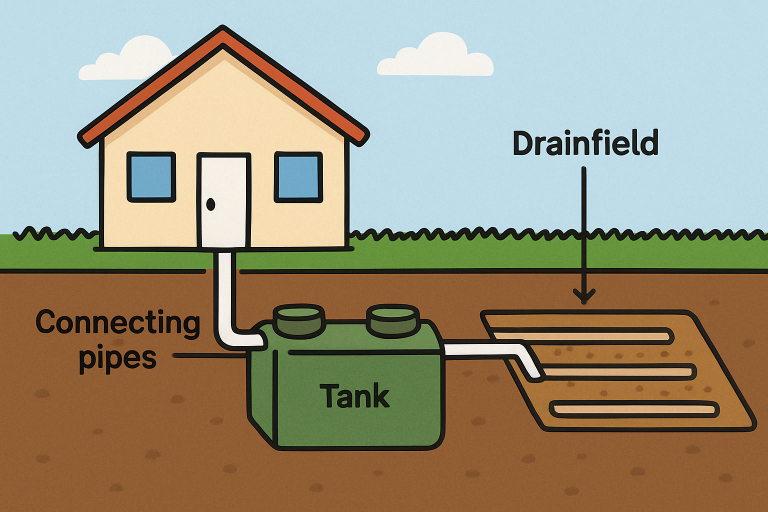
The drainfield is the final stage in septic treatment, allowing partially treated water to filter through the soil safely. Protecting this area is crucial: never park or drive vehicles over the drainfield; avoid planting trees or large shrubs nearby, as roots can invade and damage pipes. Ensure rainwater and surface runoff are directed away from the drainfield, as excess moisture in this area can impede the filtration process, potentially resulting in wastewater surfacing in your yard.
Use Septic-Safe Products
Household products can significantly impact the health of your septic system. Choose biodegradable cleaning solutions, enzyme-based drain cleaners, and phosphate-free detergents to support the microbial activity vital for waste breakdown inside your tank. Avoid products with bleach, ammonia, or antibacterial compounds—they can kill off beneficial bacteria and disrupt natural processes. For additional information, check the EPA’s septic care dos and don’ts.
Maintain Detailed Records
A well-kept log of septic inspections, pump-outs, and repairs is invaluable—it provides a timeline of your system’s care history and supports future troubleshooting. These records will also benefit you if you decide to sell your property, as real estate agents and potential buyers place a premium on documented, responsible home maintenance.
Be Mindful of Landscaping
Landscaping decisions have lasting effects on your septic system. Grass is generally considered ideal groundcover for the drainfield, but deep-rooted plants that can compromise the pipes and wastewater flow should be avoided. Preventing soil compaction—such as from foot or vehicle traffic—also helps maintain proper absorption and filtration.
Educate Your Household
Septic system maintenance is a team effort. Ensure your household understands what should and should not enter the system and why water conservation is crucial. Share best practices, such as not using the toilet as a trash can and spacing out high-water-use activities, to encourage everyone to uphold good habits. Regular communication and reminders can prevent accidental misuse and maintain long-term septic health.
Implementing these essential septic maintenance tips not only preserves your system but also helps protect local water resources and the environment. With a proactive approach and commitment to best practices, you can safeguard your family’s comfort and avoid unnecessary expenses while ensuring your home remains healthy.